
Leading paragraph:
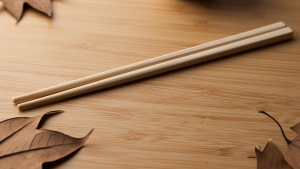
I used plastic stirrers for years without a second thought. Then I saw one washed up on the beach. That's when I discovered bamboo alternatives.
Snippet paragraph:
Bamboo coffee stirrers are both compostable and sustainable. They break down naturally in composting systems, unlike plastic which takes centuries. Made from fast-growing bamboo, they reduce environmental harm significantly .
 Transition Paragraph:
The change to bamboo made me curious. I needed to understand how they compare to plastic and whether they truly live up to their eco-friendly claims.
Transition Paragraph:
The change to bamboo made me curious. I needed to understand how they compare to plastic and whether they truly live up to their eco-friendly claims.
How Do Bamboo Stirrers Compare to Plastic Alternatives?
Leading paragraph: Plastic stirrers outnumber fish in some parts of the ocean. Bamboo offers a solution that doesn't last forever in our ecosystems. Snippet paragraph: Bamboo stirrers decompose in 3-6 months, while plastic versions take 400+ years. Bamboo production also uses 96% less water than plastic manufacturing. These numbers convinced me to make the switch .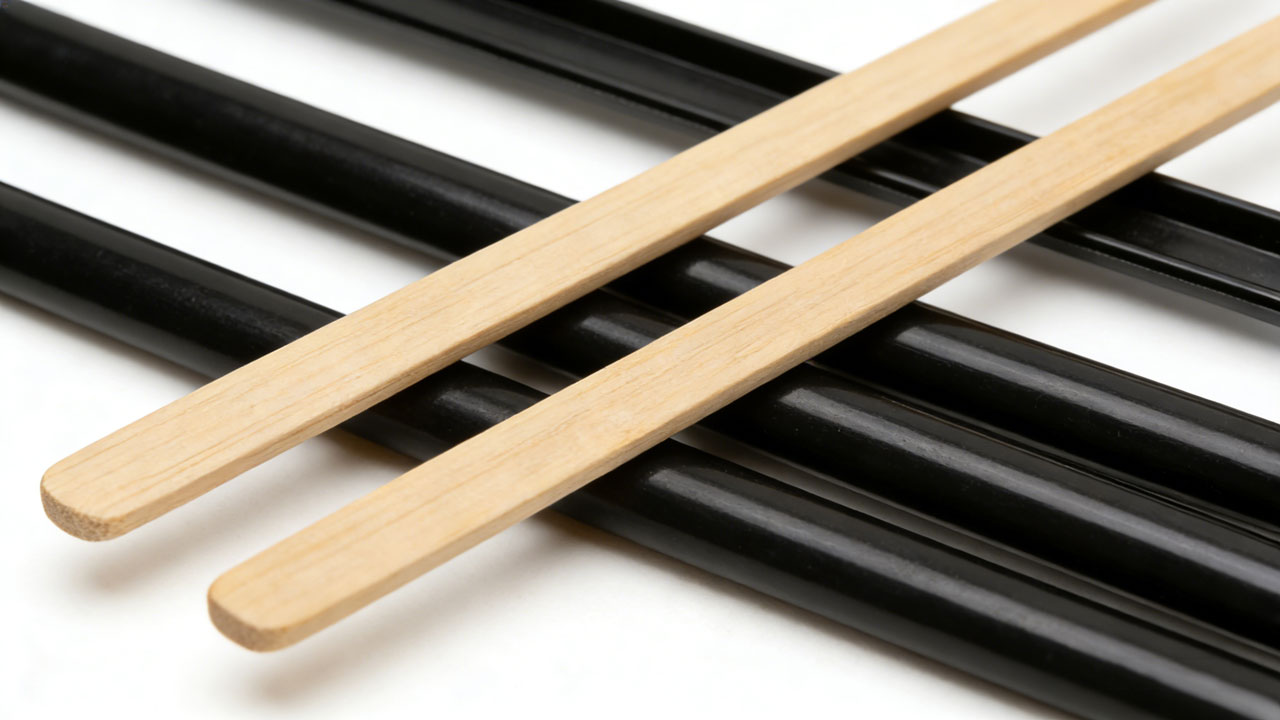 Dive deeper Paragraph:
Breaking Down the Environmental Impact
Let's examine three key areas where bamboo outshines plastic:- 1. Decomposition Time
- 2. Production Footprint
| Material | Water Usage | CO2 Emissions |
|---|---|---|
| Bamboo | Minimal | Negative |
| Plastic | High | Very High |
- 3. End-of-Life Impact
What Certifications Should You Look For?
Leading paragraph: Not all "eco-friendly" products live up to their claims. I learned to check for third-party verification. Snippet paragraph: Legitimate bamboo stirrers will have BPI, ASTM D6400, or EN 13432 certification. These prove the products meet strict compostability standards in industrial facilities . Dive deeper Paragraph:
Understanding Certification Requirements
The certification process tests three critical factors:- 1. Biodegradation
- 2. Disintegration
- 3. Eco-toxicity
- Mixed material products
- Chemical treatments
- Improper sourcing
How Should You Dispose of Bamboo Stirrers Properly?
Leading paragraph: My first composting attempt failed because I didn't understand the conditions needed. Snippet paragraph: For best results, use industrial composting facilities (140-160°F). Home compost works but takes longer (4-6 months vs 8-12 weeks). Never place in recycling – they contaminate plastic streams .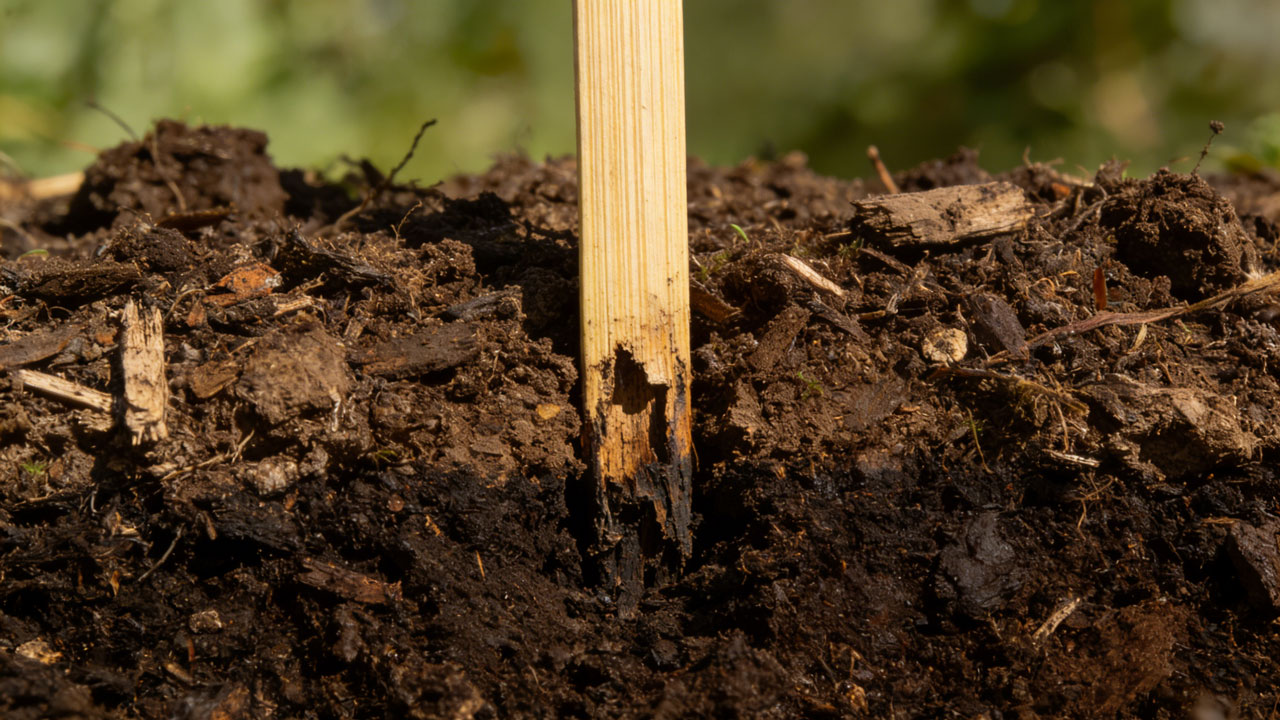 Dive deeper Paragraph:
Optimizing the Composting Process
I kept a composting journal to track results:| Conditions | Breakdown Time | Notes |
|---|---|---|
| Industrial facility | 55 days | Perfect results |
| Hot home compost | 98 days | Needed more turning |
| Cold compost | 152 days | Partially complete |
- Temperature - Heat accelerates breakdown
- Moisture - 50-60% ideal
- Aeration - Weekly turning helps
- Carbon ratio - Mix with greens
- 3:1 greens to browns ratio
- Weekly aerating
- Keeping bin in sunshine