Most cooks reach for disposable skewers without considering their environmental impact or durability. Bamboo alternatives promise sustainability, but do they deliver?
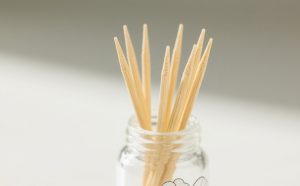
Bamboo skewers are both eco-friendly and sturdy because bamboo grows rapidly without pesticides, biodegrades completely, and has greater tensile strength than common cooking woods. These natural properties make them superior to plastic or traditional wooden skewers for grilling and cooking.
 Many people assume all disposable skewers harm the environment equally. Bamboo skewers break this pattern with unique advantages worth examining closely.
How does bamboo's growth make skewers sustainable?
Commercial forests take decades to regrow after harvest, creating long-term environmental strain. Bamboo changes this equation.
Bamboo reaches maturity in 3-5 years and regrows from existing roots after cutting, making it 100% renewable without replanting. Some species grow nearly three feet daily during peak seasons. This rapid regeneration keeps production sustainable even at high volumes.
Many people assume all disposable skewers harm the environment equally. Bamboo skewers break this pattern with unique advantages worth examining closely.
How does bamboo's growth make skewers sustainable?
Commercial forests take decades to regrow after harvest, creating long-term environmental strain. Bamboo changes this equation.
Bamboo reaches maturity in 3-5 years and regrows from existing roots after cutting, making it 100% renewable without replanting. Some species grow nearly three feet daily during peak seasons. This rapid regeneration keeps production sustainable even at high volumes.
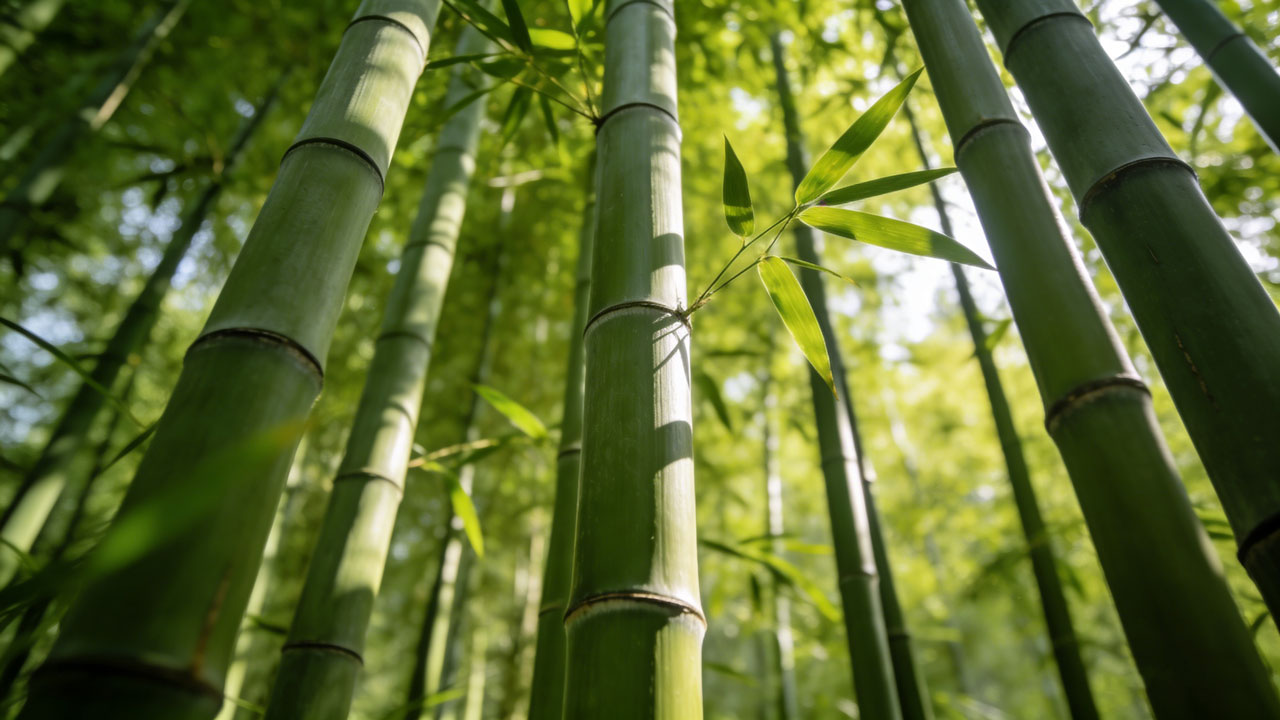 Bamboo's growth patterns solve three critical sustainability issues:
- 1. Land Use Efficiency
- 2. Chemical-Free Cultivation
- 3. Water Conservation
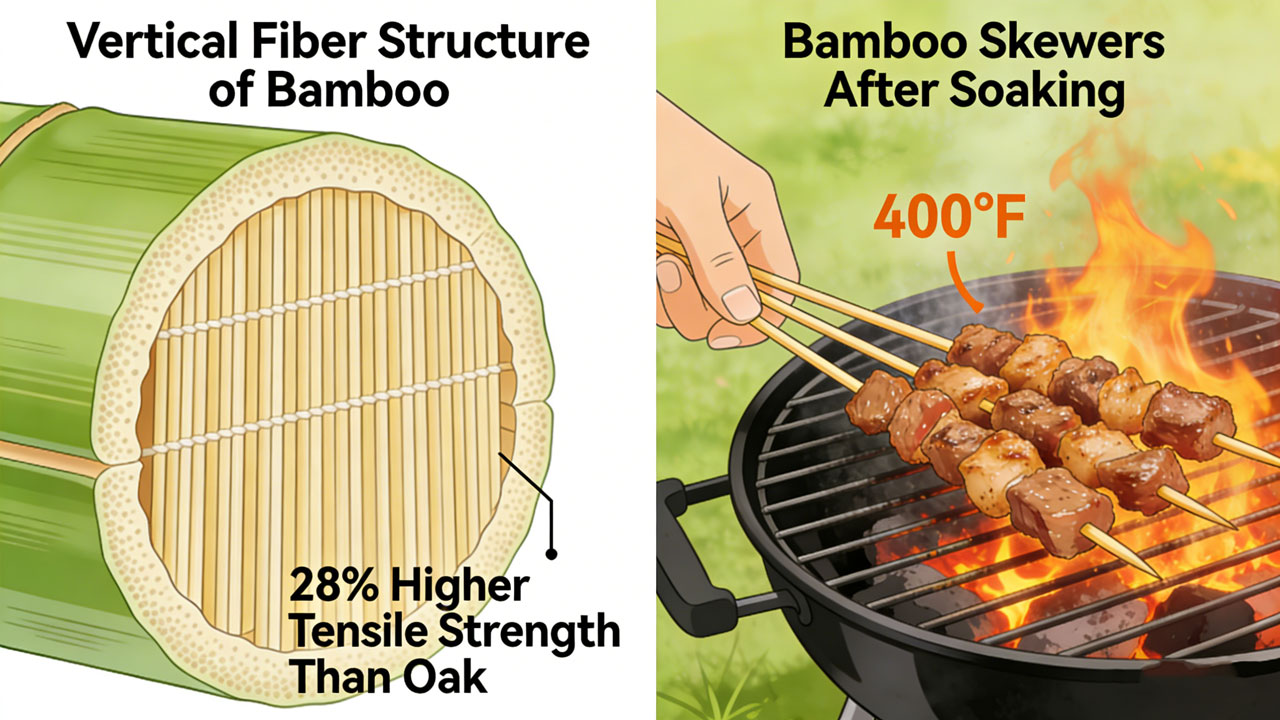 Three structural differences explain bamboo's durability advantage:
- 1. Fiber Density Comparison
| Material | Fibers per square inch |
|---|---|
| Bamboo | 1,400 |
| Birch wood | 800 |
| Plastic skewers | N/A (homogenous) |
- 2. Moisture Resistance
- 3. Heat Performance
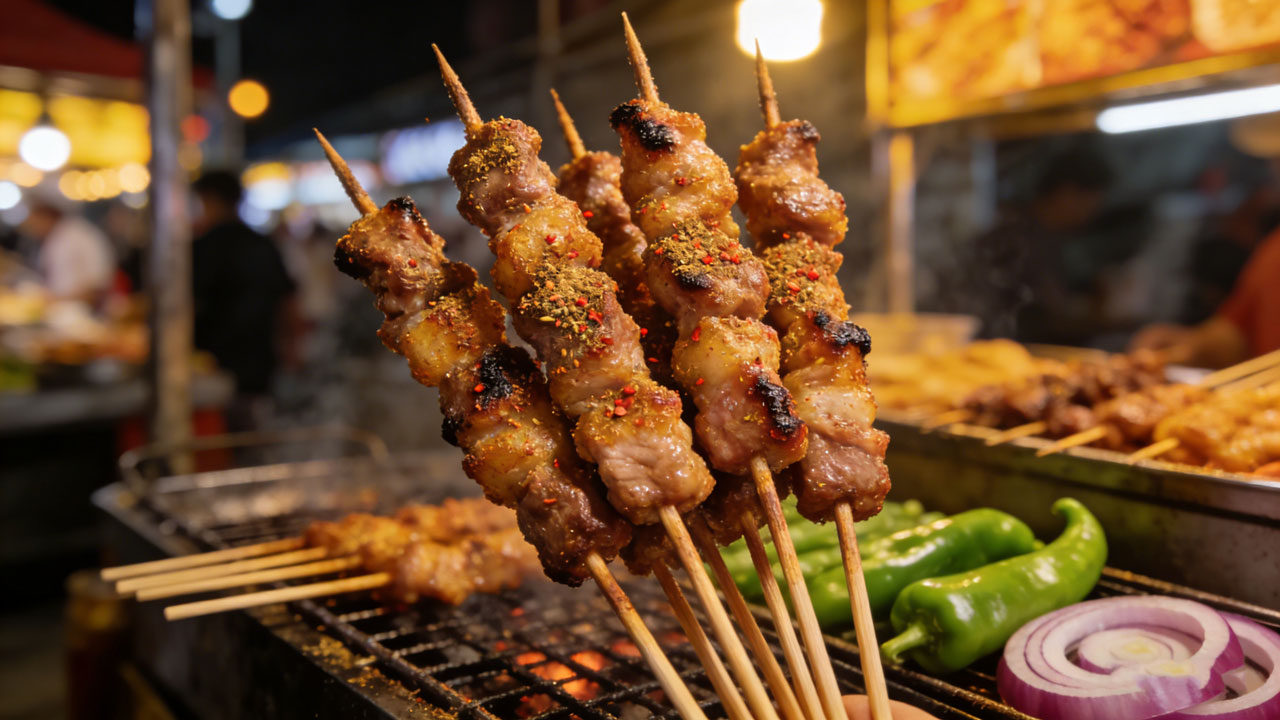 Practical tips maximize bamboo's strength:
- 1. Insertion Angles
- 2. Weight Distribution
- 3. Pre-Use Preparation