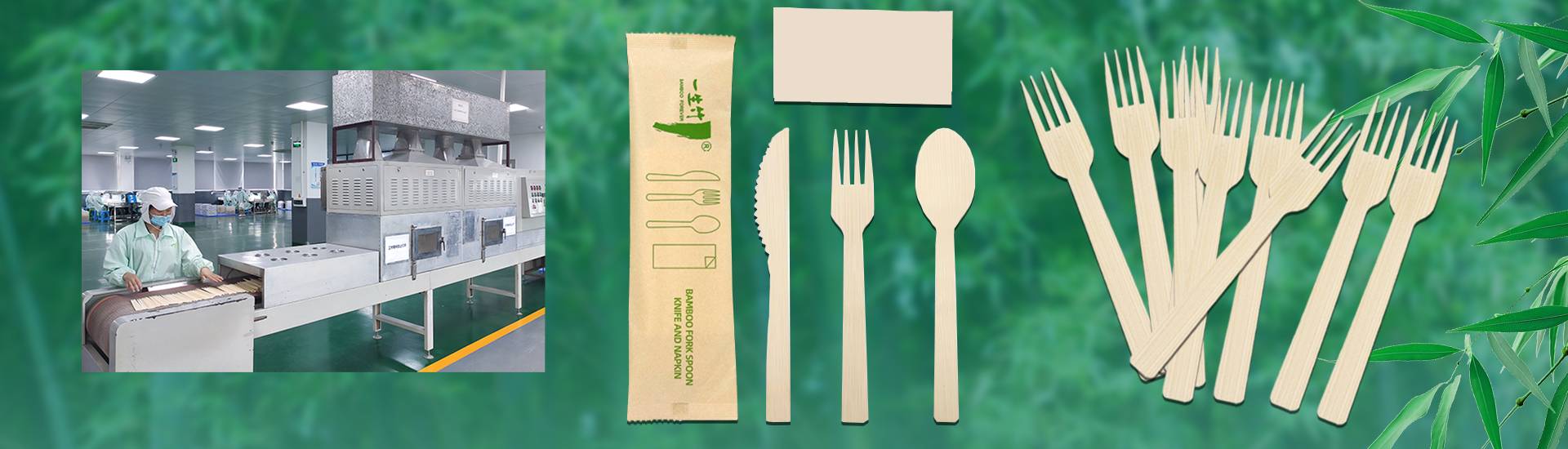
Every day, millions of plastic coffee stirrers are used and thrown away. Most end up polluting our oceans.
Bamboo stirrers are the better choice because they're fully compostable and break down naturally within months, while plastic stirrers take hundreds of years to decompose and harm marine life. Switching to bamboo helps reduce plastic pollution significantly.
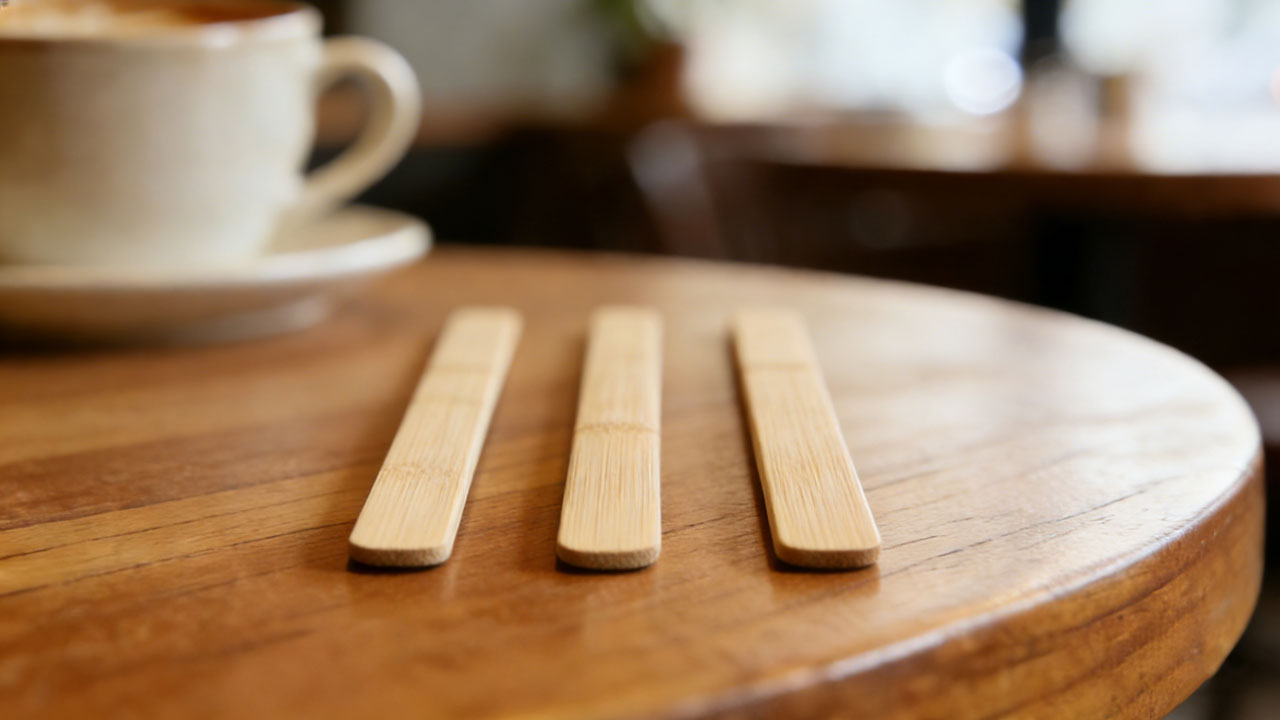 Plastic pollution is a growing problem that affects us all. I remember seeing plastic waste on beaches during my last vacation. It made me realize how important small changes like switching stirrers can be.
What's Wrong With Plastic Coffee Stirrers?
Plastic stirrers might seem small, but their impact is huge. Most are used just once and thrown away. Plastic stirrers contribute significantly to ocean pollution, with many ending up in waterways where they harm sea creatures and take centuries to break down. Recent studies show plastic stirrers are among the top 10 items found in beach cleanups.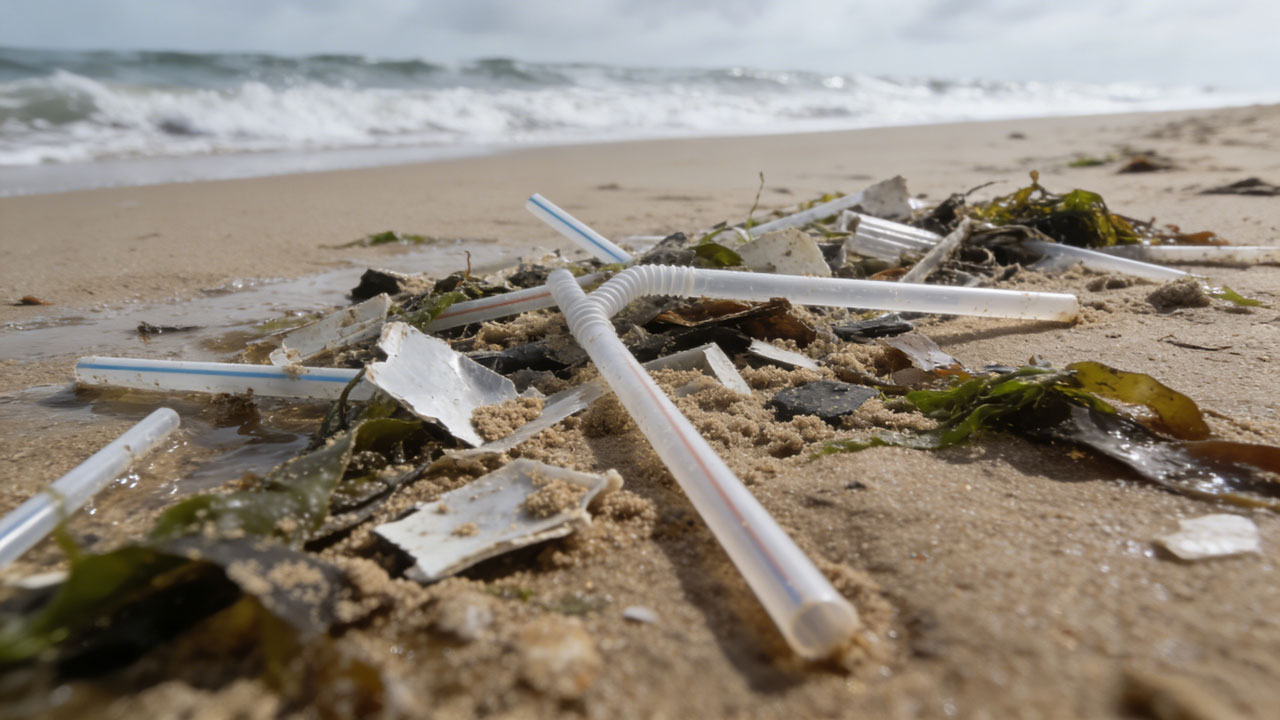 Plastic stirrers create three main problems:
- 1. Environmental Impact
- 2. Health Concerns
- 3. Disposal Issues
Why Are Bamboo Stirrers Better?
I switched to bamboo stirrers last year after learning about their benefits. The difference is remarkable. Bamboo stirrers are completely natural, breaking down in compost within 2-6 months while providing the same functionality as plastic. They're made from one of earth's fastest-growing plants that doesn't need pesticides or much water to grow.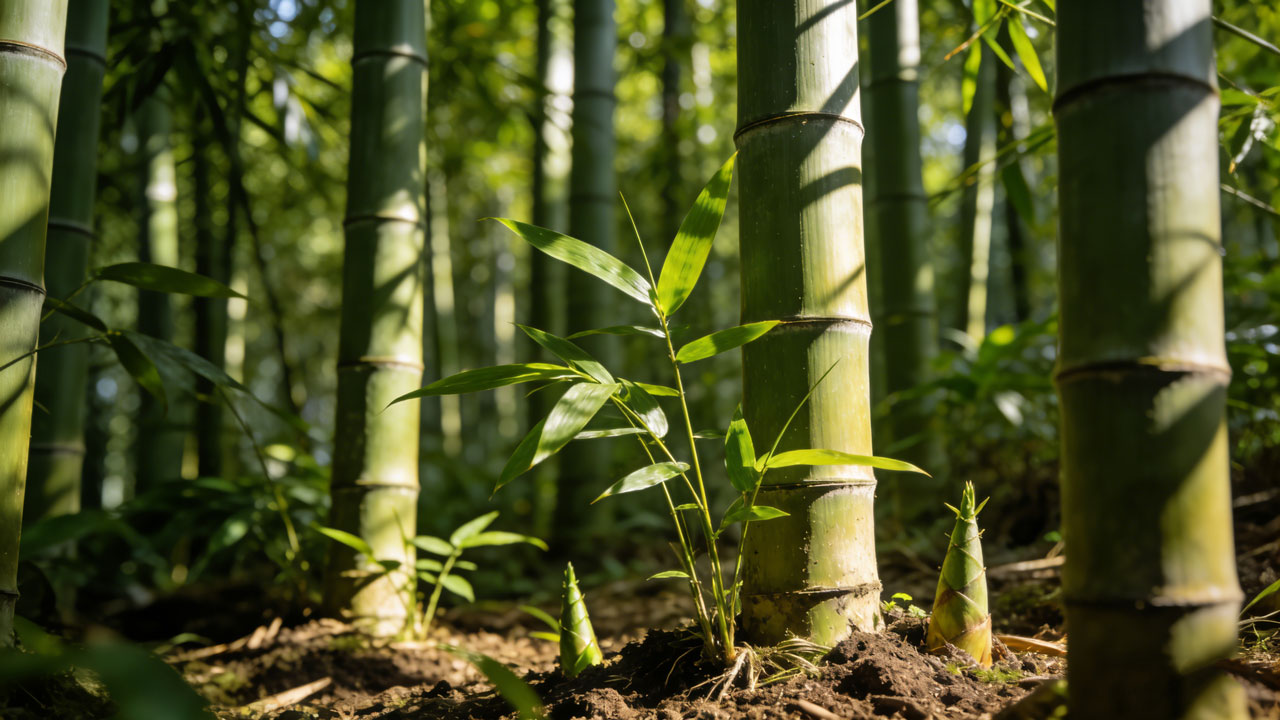 Let's examine why bamboo is superior:
| Feature | Bamboo Stirrers | Plastic Stirrers |
|---|---|---|
| Decomposition Time | 2-6 months | 400+ years |
| Renewable Resource | Yes | No |
| Compostable | Fully compostable | Not compostable |
| Production Impact | Low carbon footprint | High carbon footprint |
| Safety | No chemicals | May leach chemicals |
| Cost | Slightly higher | Very cheap |
How Do I Switch to Bamboo Stirrers?
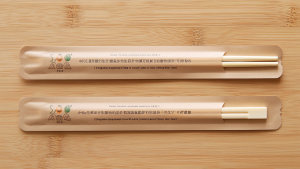
Making the change is easier than you might think. It starts with one simple decision. You can find bamboo stirrers at most eco-friendly stores or online retailers, often packaged in compostable materials to maintain environmental benefits throughout the product's lifecycle. Many coffee shops now offer them as alternatives.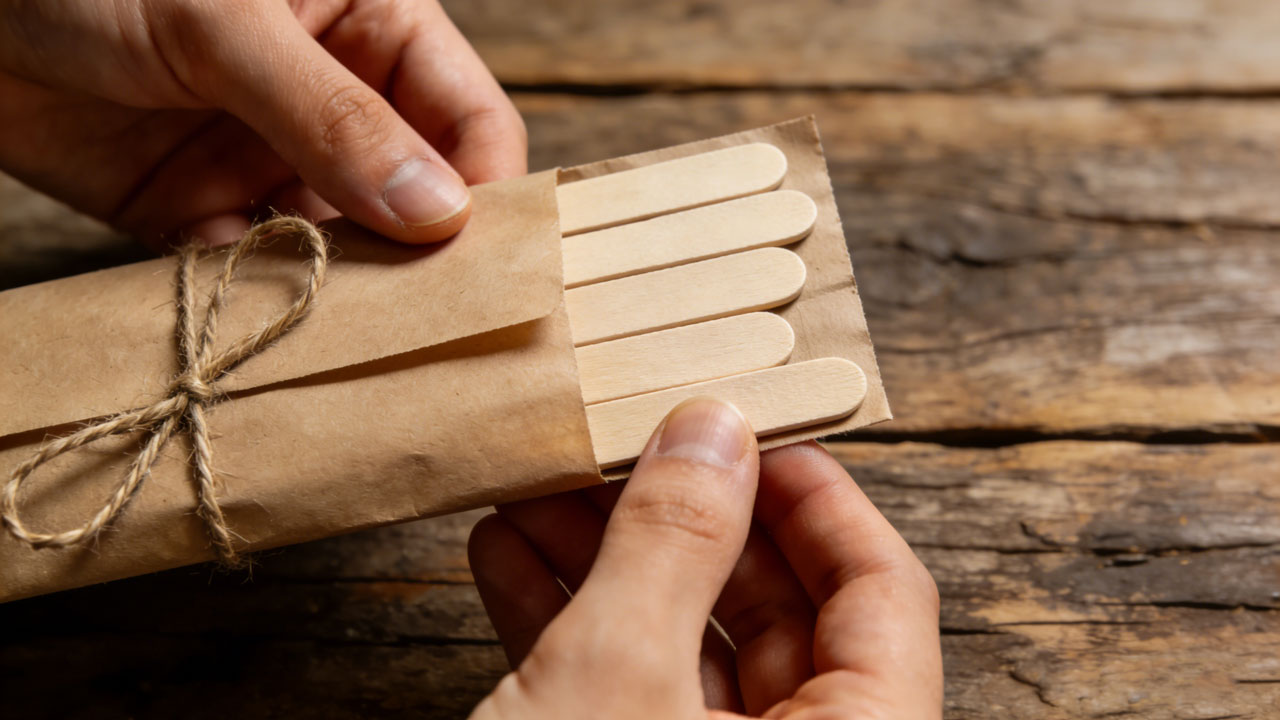 Here's how to make the transition smooth:
- 1. Find Reliable Suppliers
- 2. Proper Use and Care
- 3. Composting Correctly
- 4. Encourage Others
What About the Cost Difference?
Yes, bamboo stirrers cost more initially. But consider the bigger picture. While plastic stirrers seem cheaper, their long-term environmental costs make bamboo the more economical choice when accounting for waste management and pollution cleanup expenses. Governments worldwide are imposing plastic bans that may affect availability. The price difference comes from:- Sustainable farming practices
- Ethical labor standards
- Biodegradable packaging
- Lower production scale currently