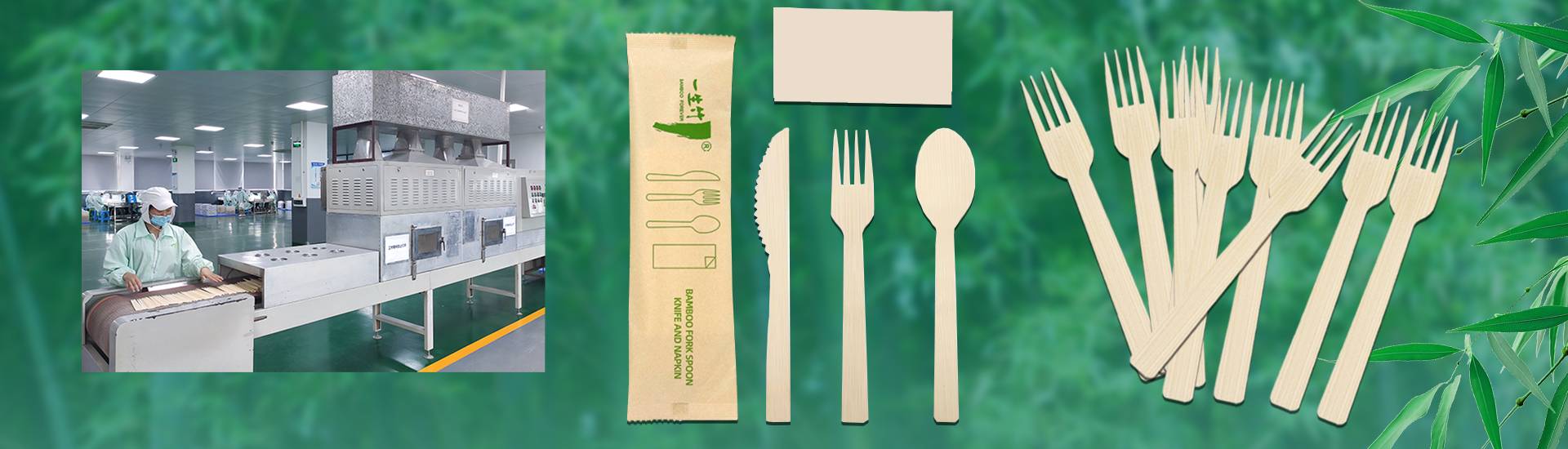
Bamboo chopsticks from China feed global restaurants and homes. But prices keep shifting, demand keeps changing, and new opportunities appear.
In 2024, bulk bamboo chopstick imports from China show stable pricing ($0.01–$0.03 per unit), strong global demand in eco-conscious markets, and opportunities through customization and plastic bans. Emerging markets and China's efficient supply chains further boost growth potential.
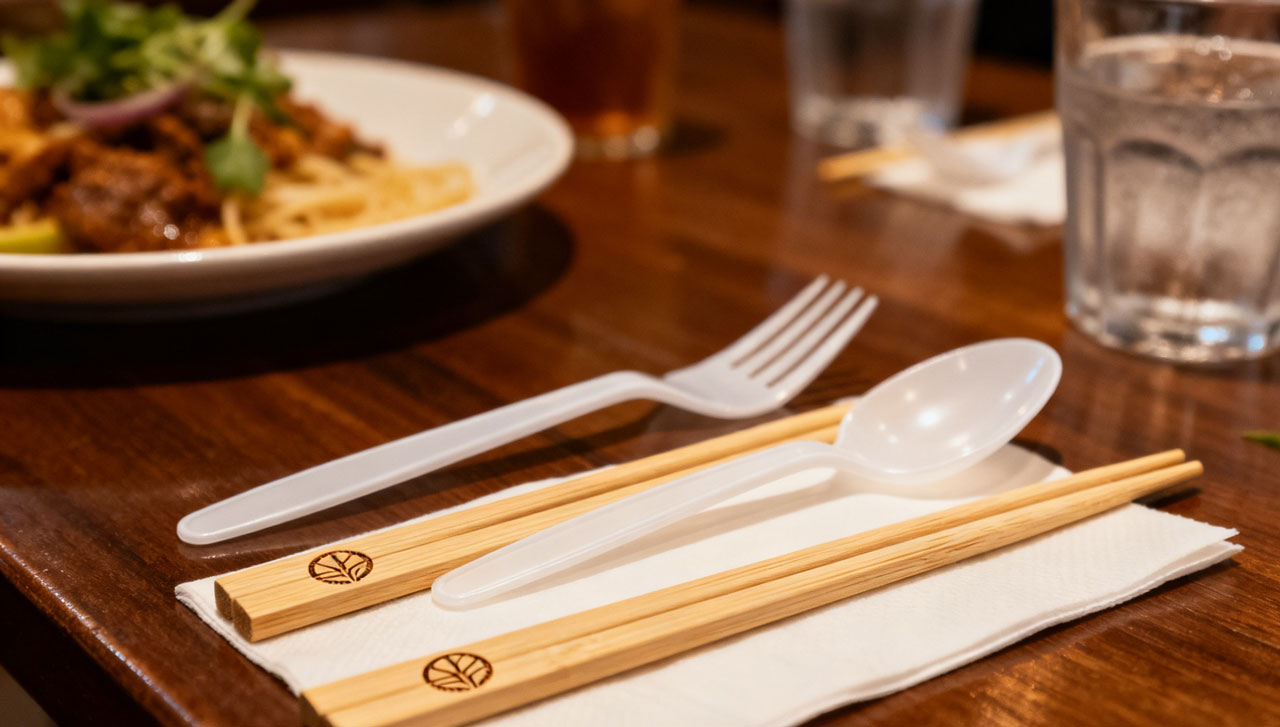 The bamboo chopstick trade isn't as simple as it looks. Behind each pair lies complex pricing structures, shifting demand patterns, and new market opportunities developing right now. Let's examine each piece carefully.
Why Are Bamboo Chopstick Prices Staying Stable in 2024?
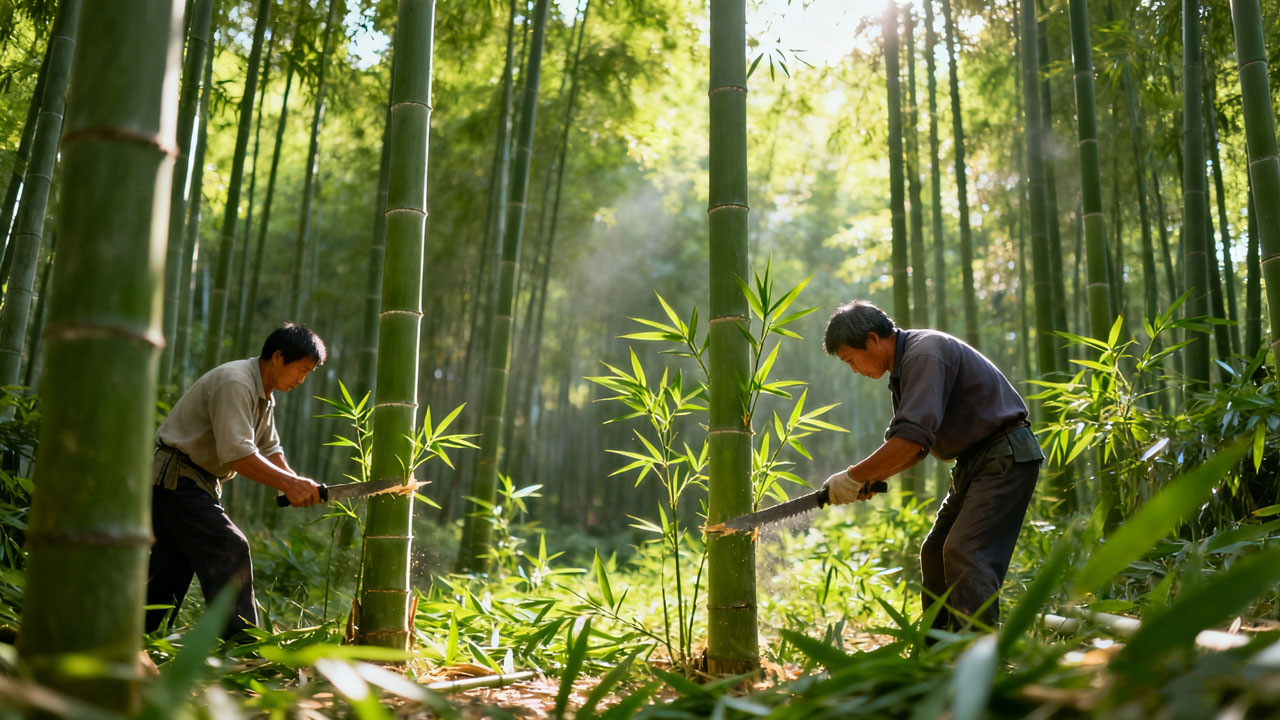
Raw bamboo prices haven't jumped dramatically. That keeps chopstick production costs predictable. China's bamboo chopstick wholesale prices currently range between $0.01 to $0.03 per unit when buying bulk quantities. Several factors maintain this price stability:- Abundant raw materials: China's bamboo forests regenerate quickly, preventing material shortages
- Established production lines: Factories perfected efficient manufacturing over decades
- Consistent labor costs: Skilled workers abound in chopstick-producing regions
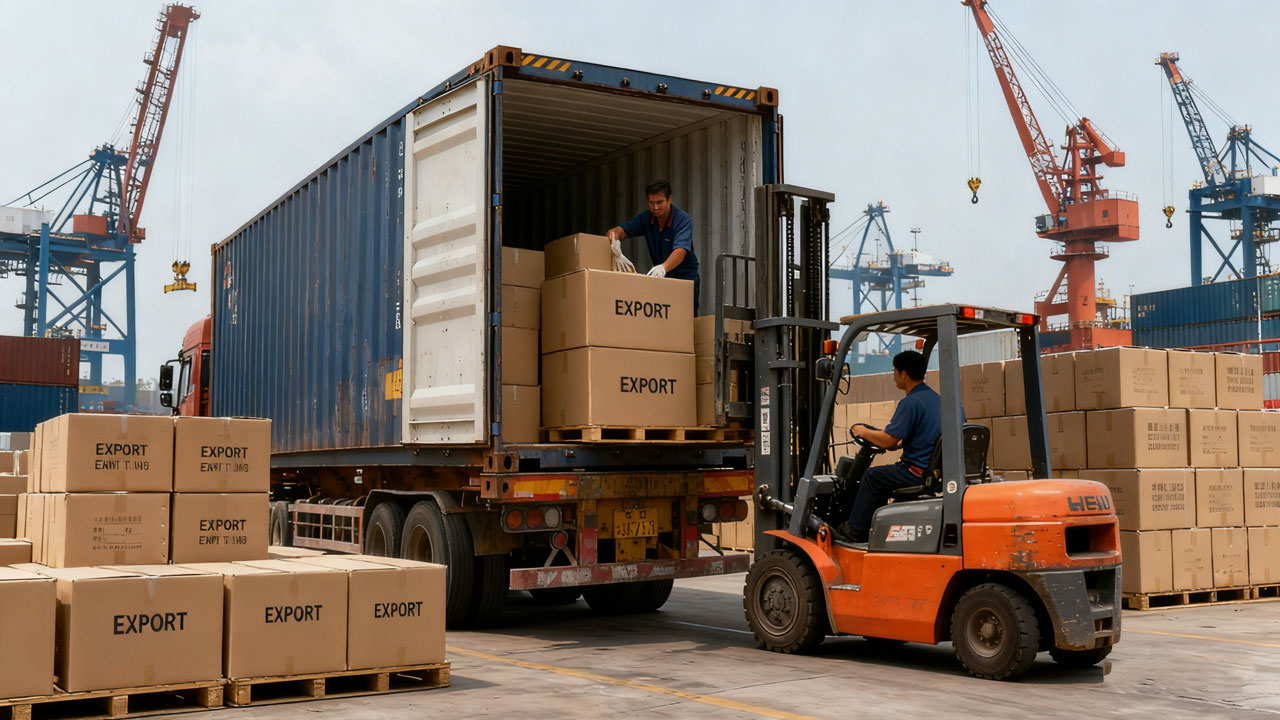
 The stability hides underlying pressures though. Shipping costs fluctuate more than pre-pandemic levels. Some Chinese provinces implemented stricter environmental regulations too. These factors could push prices up later in 2024.
Savvy buyers protect themselves by:
The stability hides underlying pressures though. Shipping costs fluctuate more than pre-pandemic levels. Some Chinese provinces implemented stricter environmental regulations too. These factors could push prices up later in 2024.
Savvy buyers protect themselves by:
- Placing orders during shipping rate dips
- Building relationships with multiple suppliers
- Considering FOB terms instead of CIF to control logistics
Which Countries Drive Bamboo Chopstick Demand in 2024?
Traditional markets remain strong while new ones emerge rapidly. The shift toward eco-friendly disposables fuels growth everywhere. North America, Europe and Japan still import the most bamboo chopsticks from China. But surprising regions now show increased interest:- Middle East: Luxury hotels switching from plastic
- Southeast Asia: Tourist areas banning plastic utensils
- Australia: Strict single-use plastic laws taking effect
What New Opportunities Exist Beyond Basic Chopsticks?
Customization and branding open higher-margin possibilities. Smart importers no longer treat chopsticks as mere commodities. The most promising 2024 opportunities include:| Opportunity | Potential Benefit | Implementation Difficulty |
|---|---|---|
| Branded chopsticks | 15-30% premium pricing | Medium (requires design work) |
| Eco-packaging combos | Upsell opportunities | Low (source packaging partners) |
| Specialty finishes (matte, glossy) | Restaurant differentiation | Medium (minimum order quantity) |
| Retail multipacks | Access consumer market | High (packaging requirements) |
 Plastic bans create sudden market openings. Canada's single-use plastic prohibition took full effect in 2023. Similar bans will start in more countries throughout 2024. Each creates immediate demand spikes lasting 6-12 months.
Partnerships with sustainability-focused brands represent another avenue. Many companies now seek "green" promotional items and corporate gifts. Custom bamboo chopsticks fit perfectly while allowing logo placement.
The hospitality sector offers untapped potential. Hotels increasingly provide bamboo amenities instead of plastic. Resorts use branded chopsticks as guest takeaways. Cruise lines stock massive quantities for Asian cuisine restaurants.
Plastic bans create sudden market openings. Canada's single-use plastic prohibition took full effect in 2023. Similar bans will start in more countries throughout 2024. Each creates immediate demand spikes lasting 6-12 months.
Partnerships with sustainability-focused brands represent another avenue. Many companies now seek "green" promotional items and corporate gifts. Custom bamboo chopsticks fit perfectly while allowing logo placement.
The hospitality sector offers untapped potential. Hotels increasingly provide bamboo amenities instead of plastic. Resorts use branded chopsticks as guest takeaways. Cruise lines stock massive quantities for Asian cuisine restaurants.
How Does Political Climate Affect Bamboo Chopstick Trade?
Trade policies and sustainability standards shape importing strategies. Smart buyers monitor these factors closely. China's export policies remain favorable for bamboo products. Unlike some industries facing trade restrictions, chopsticks enjoy:- Lower export duties compared to finished wood products
- Faster customs clearance as non-sensitive goods
- Continued government support as traditional craft
 However, sustainability certifications grow increasingly important. FSC and PEFC certification adoption rises among Chinese manufacturers. Buyers should verify claims through:
- Certificate validation on official websites
- Factory audit reports
- Third-party testing samples
- Shanghai for East Coast North America
- Shenzhen for Southeast Asia/Australia
- Qingdao for Europe/Middle East