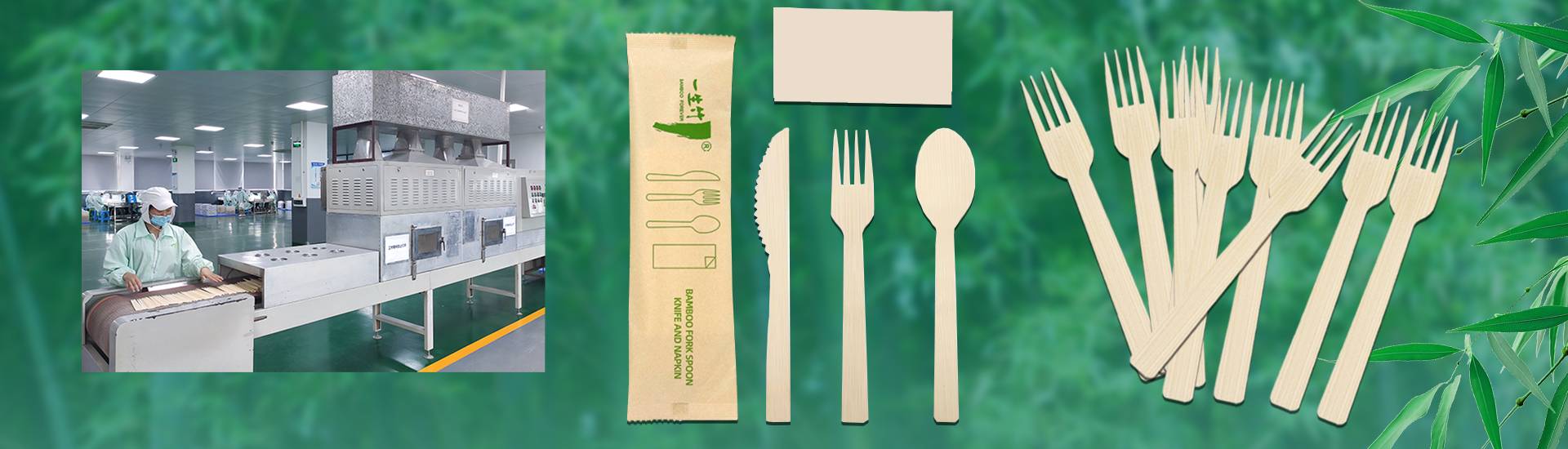
Every morning, millions of plastic stirrers are used once and thrown away. They end up in landfills or oceans, harming wildlife and ecosystems. There’s a simple switch that can make a big difference.
Bamboo coffee stirrers are biodegradable, durable, and sustainable alternatives to plastic. Unlike plastic stirrers that take centuries to decompose, bamboo breaks down naturally without leaving harmful microplastics behind.
 Switching to bamboo stirrers isn’t just about reducing waste. It’s also about choosing quality. Bamboo is naturally strong and doesn’t splinter easily. You won’t notice any strange taste in your coffee either.
Why Should You Choose Bamboo Over Plastic?
Plastic pollution is a global problem, yet many of us still use plastic stirrers out of habit. Bamboo offers a smarter solution without compromising convenience. Bamboo grows rapidly, requires minimal resources, and doesn’t contribute to plastic waste. Unlike plastic production, harvesting bamboo has a low environmental impact.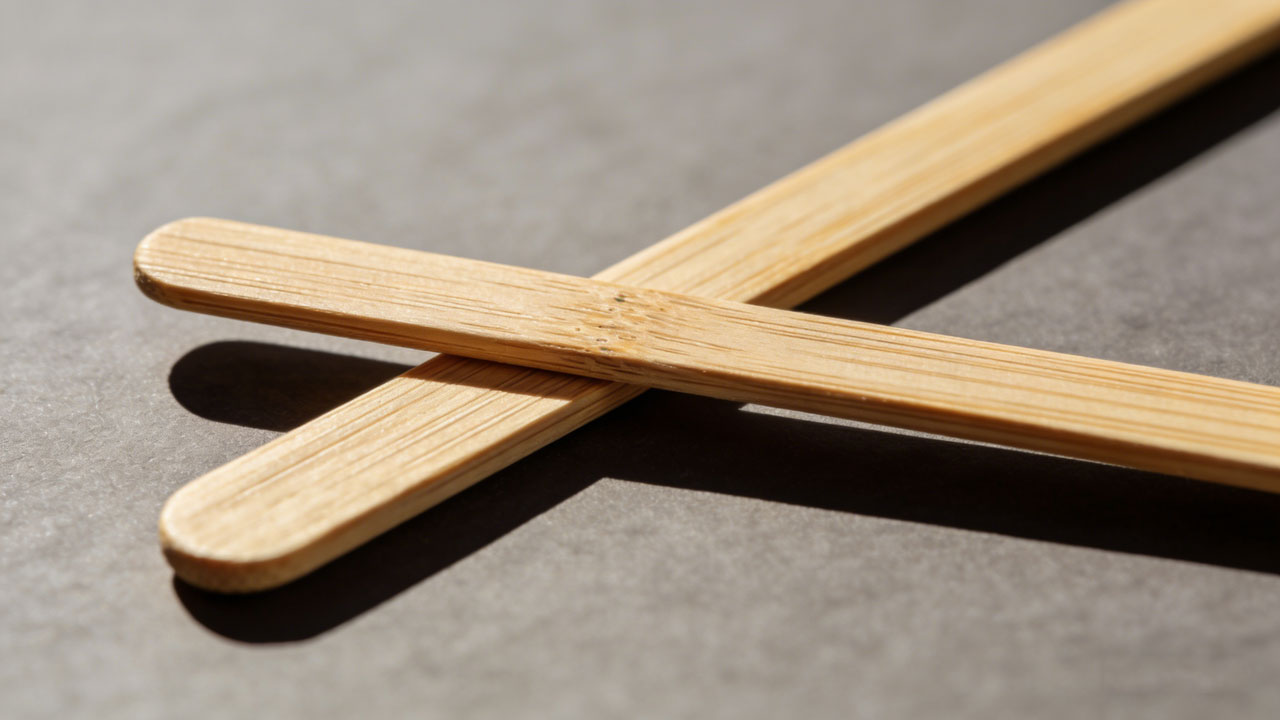 Let’s dive deeper into why bamboo stirrers are superior:
1. Environmental Benefits
Bamboo is one of the fastest-growing plants on Earth. Some species can grow up to 3 feet in just 24 hours. This makes bamboo highly renewable compared to trees used for wooden stirrers or petroleum-based plastics.- Biodegradable: Bamboo stirrers decompose naturally within months, not centuries like plastic.
- No pesticides needed: Bamboo grows well without harmful chemicals, making it cleaner for soil and water.
- Carbon absorption: Bamboo forests absorb more CO₂ than many tree species, helping fight climate change.
2. Practical Advantages
You might wonder if bamboo stirrers work as well as plastic ones. The answer is yes—often better.- Strength: Bamboo fibers make stirrers sturdy, so they won’t bend or snap in hot drinks.
- Taste-neutral: Unlike some wood stirrers, bamboo doesn’t add unwanted flavors to beverages.
- Smooth texture: High-quality bamboo stirrers are polished to prevent splinters.
Are Bamboo Coffee Stirrers Hygienic?
Some people worry about reusable or natural alternatives being less sanitary. But bamboo actually has natural properties that make it safer than plastic. Bamboo contains natural antimicrobial agents that resist bacteria growth. Unlike plastic, bamboo doesn’t harbor germs as easily.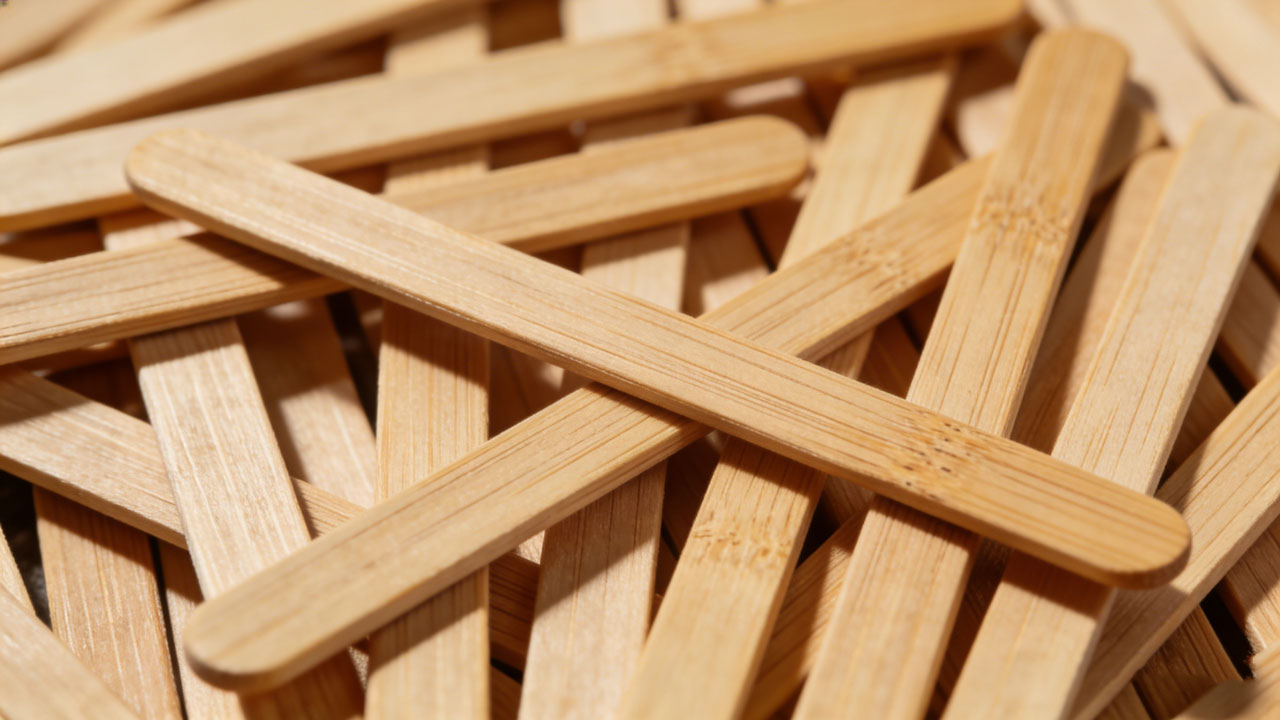 Studies show that bamboo has inherent antibacterial qualities. This means fewer germs cling to bamboo surfaces compared to plastic. Many hospitals even use bamboo-based products for this reason.
Properly maintained bamboo stirrers can be:
Studies show that bamboo has inherent antibacterial qualities. This means fewer germs cling to bamboo surfaces compared to plastic. Many hospitals even use bamboo-based products for this reason.
Properly maintained bamboo stirrers can be:
- Washed and reused if desired (though most bamboo stirrers are compostable after single use).
- Composted at home, breaking down naturally without toxic residues.
How Do Bamboo Stirrers Compare to Other Alternatives?
Wooden stirrers and metal spoons are common alternatives to plastic. But bamboo offers unique advantages over both. Unlike wooden stirrers, bamboo doesn’t splinter and grows much faster. Compared to metal spoons, bamboo is lighter and compostable.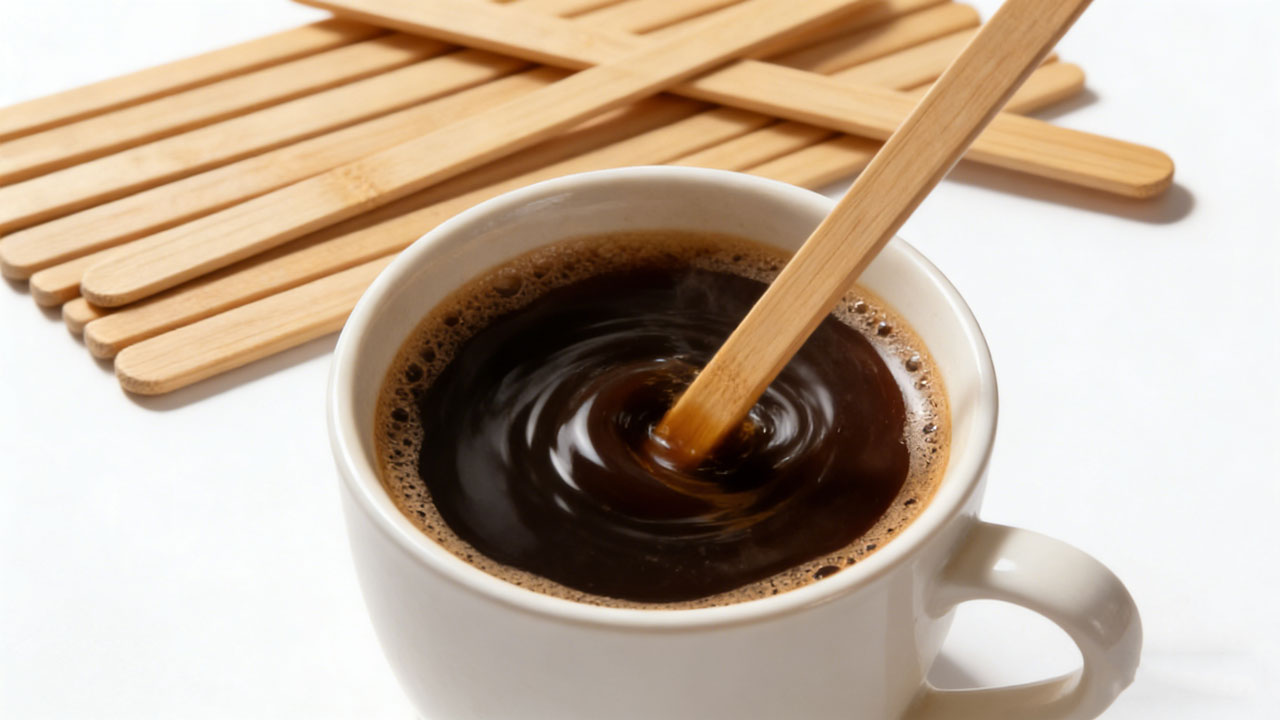
Bamboo vs. Wood Stirrers
Wooden stirrers seem eco-friendly, but they have drawbacks:| Feature | Bamboo Stirrers | Wooden Stirrers |
|---|---|---|
| Growth Rate | 3x faster than trees | Slow-growing forests |
| Splinter Risk | Very low | Moderate |
| Production Waste | Minimal | Higher sawdust waste |
Bamboo vs. Metal Spoons
Metal spoons are reusable, but bamboo wins in other ways:- Weight: Perfect for on-the-go use (no heavy spoons in your bag).
- Cost: Far cheaper than buying multiple metal spoons.
- Portability: Disposable bamboo stirrers are great for offices or cafés.
Can Bamboo Stirrers Really Reduce Plastic Waste?
The numbers show how small changes create big impacts. If every coffee drinker switched to bamboo just once a week, billions of plastic stirrers could be kept out of landfills annually. Replacing plastic stirrers with bamboo can significantly cut down on single-use plastic pollution. Since plastic stirrers aren’t easily recyclable, bamboo offers a simple yet powerful solution. Here’s why bamboo adoption makes sense:- Volume of Waste: Americans alone use over 100 billion single-use plastic straws and stirrers yearly. Most end up polluting waterways.
- Recycling Reality: Plastic stirrers are too small for most recycling systems. They slip through sorting machines and contaminate other recyclables.
- Wildlife Impact: Birds and marine animals often mistake plastic stirrers for food, leading to injury or death.