

Shipping costs can eat into profits when importing bamboo chopsticks in bulk. Many importers struggle with high freight charges without realizing there are proven ways to cut expenses.
The most effective ways to reduce shipping costs for bulk bamboo chopsticks include optimizing packaging to minimize volume, choosing sea freight over air shipping, negotiating better freight rates, consolidating shipments, sourcing from closer suppliers, and timing shipments strategically.
 Importing bamboo chopsticks doesn't have to be expensive if you apply the right strategies. Let me walk you through each method in detail.
Why Is Sea Freight Better Than Air for Shipping Bamboo Chopsticks?
Most importers automatically consider air freight without exploring cheaper alternatives. Bamboo chopsticks don't need fast delivery. Sea freight costs 60-80% less than air freight for lightweight but bulky items like chopsticks . Full Container Load (FCL) shipping becomes economical when ordering 10+ pallets, while Less than Container Load (LCL) works well for smaller bulk orders .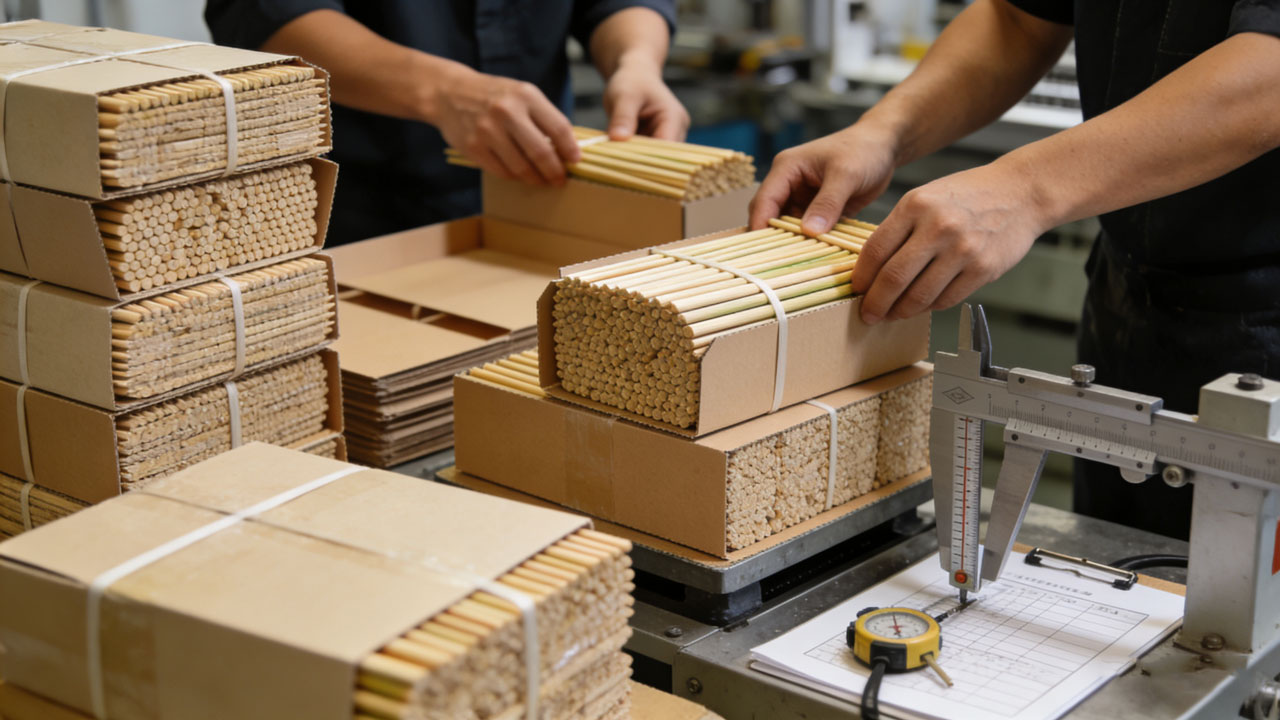
Detailed Comparison Between Shipping Methods
| Factor | Air Freight | Sea Freight (FCL) | Sea Freight (LCL) |
|---|---|---|---|
| Cost per kg | $4.50-$6.00 | $0.85-$1.20 | $1.50-$2.00 |
| Transit Time | 3-7 days | 25-40 days | 30-45 days |
| Best For | Urgent orders | 10+ pallets | 2-9 pallets |
| Customs Process | Faster clearance | More documentation | Shared container |
| Carbon Footprint | Higher emissions | Lower emissions | Lower emissions |
How Can Packaging Optimization Reduce Shipping Costs?
Bulky packaging wastes container space and increases dimensional weight charges. Bamboo chopsticks naturally take up more space than their weight suggests. Optimizing packaging can reduce shipping volume by 30-50% through flat-pack designs, nesting, and compressed bundling . Standardizing box sizes to fit pallets perfectly prevents empty spaces in containers .Packaging Improvement Strategies
- 1. Flat-Pack Designs
- 2. Nested Packaging
- 3. Compressed Bundling
- 4. Unassembled Shipping
What Factors Affect Shipping Costs for Bulk Orders?
Understanding cost drivers helps target the biggest savings opportunities. Some factors are controllable while others must be managed. The main factors impacting bulk shipping costs are shipment volume, weight, distance, container type, fuel surcharges, customs fees, and packaging efficiency . Seasonal demand fluctuations can cause rate variations up to 35% .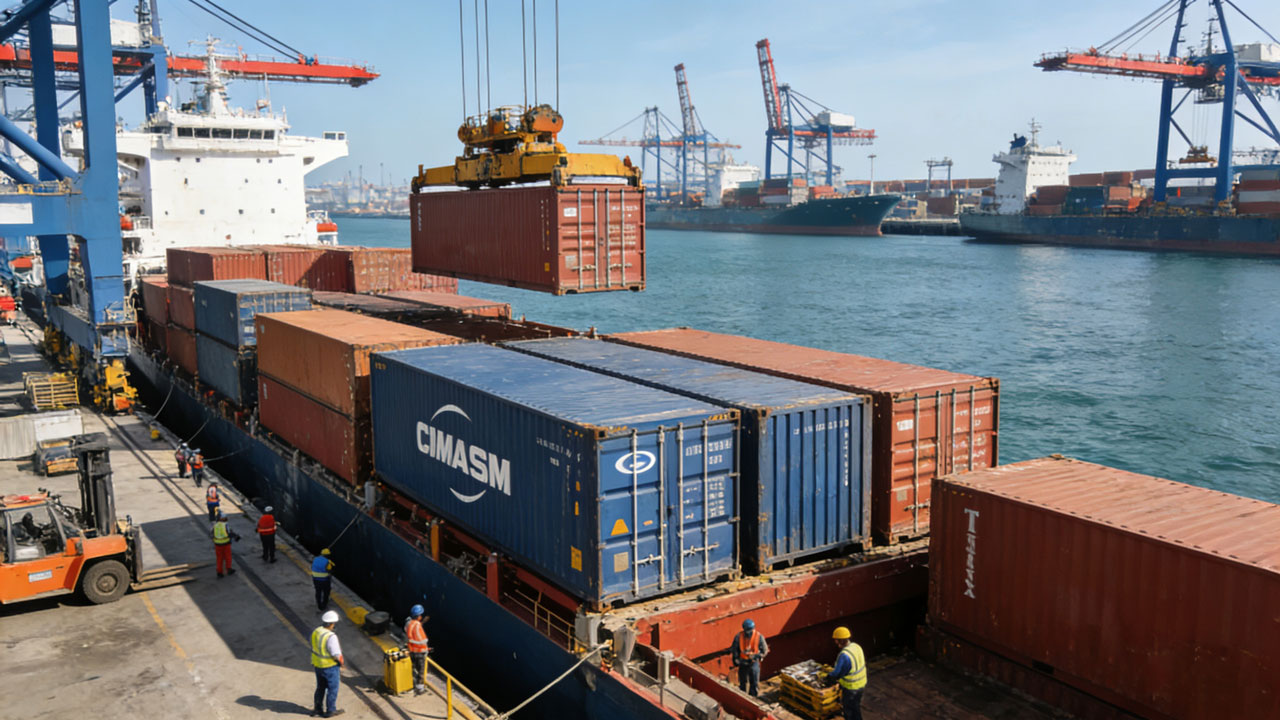
Breakdown of Key Cost Factors
- 1. Volume vs Weight
- 2. Distance Considerations
- 3. Seasonal Surcharges
- 4. Container Options
How Can Importers Negotiate Better Freight Rates?
Many importers accept the first quote without realizing freight rates are negotiable, especially for recurring bulk orders. Importers can secure 15-30% lower rates by committing to volume, using freight forwarders, comparing multiple carriers, and signing long-term contracts . Consolidating shipments with other importers can transform LCL into cheaper FCL shipments .
Step-by-Step Negotiation Process
- 1. Gather Historical Data
- 2. Request Multiple Quotes
- 3. Leverage Volume Commitments
- 4. Consider Alternative Ports
- Negotiate Accessorial Fees