
Leading paragraph:
Importing bamboo chopsticks seems simple until you receive warped, splintered batches. I've helped clients navigate these pitfalls for years.
Snippet paragraph:
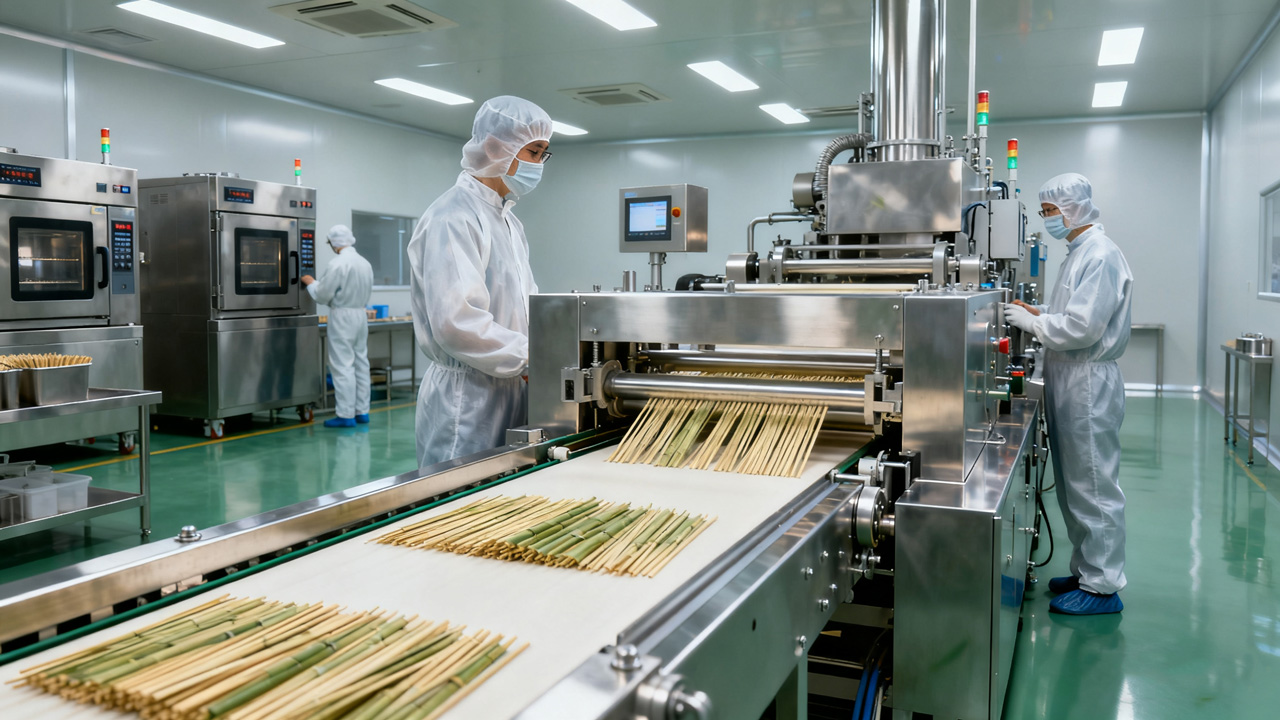
Verify suppliers have ISO 9001, FSC, and BRC certifications first . True quality manufacturers like Tangstyle Group operate 100,000-grade cleanrooms with microwave sterilization equipment . Never compromise on these fundamentals.
 Transition Paragraph:
Certificates alone don't guarantee consistency. Let's examine the physical benchmarks separating premium chopsticks from substandard alternatives.
Transition Paragraph:
Certificates alone don't guarantee consistency. Let's examine the physical benchmarks separating premium chopsticks from substandard alternatives.
What Are the Must-Check Quality Parameters for Bamboo Chopsticks?
Leading paragraph: A Bangkok restaurant lost $17,000 replacing splintered chopsticks last quarter. These five measurements prevent such disasters. Snippet paragraph: Per DB43-T 3079-2024, premium chopsticks must have ≤0.2mm diameter variation, zero visible cracks after 72-hour humidity testing, and carbonization depth ≥0.5mm for sterilization . My factory checks these hourly.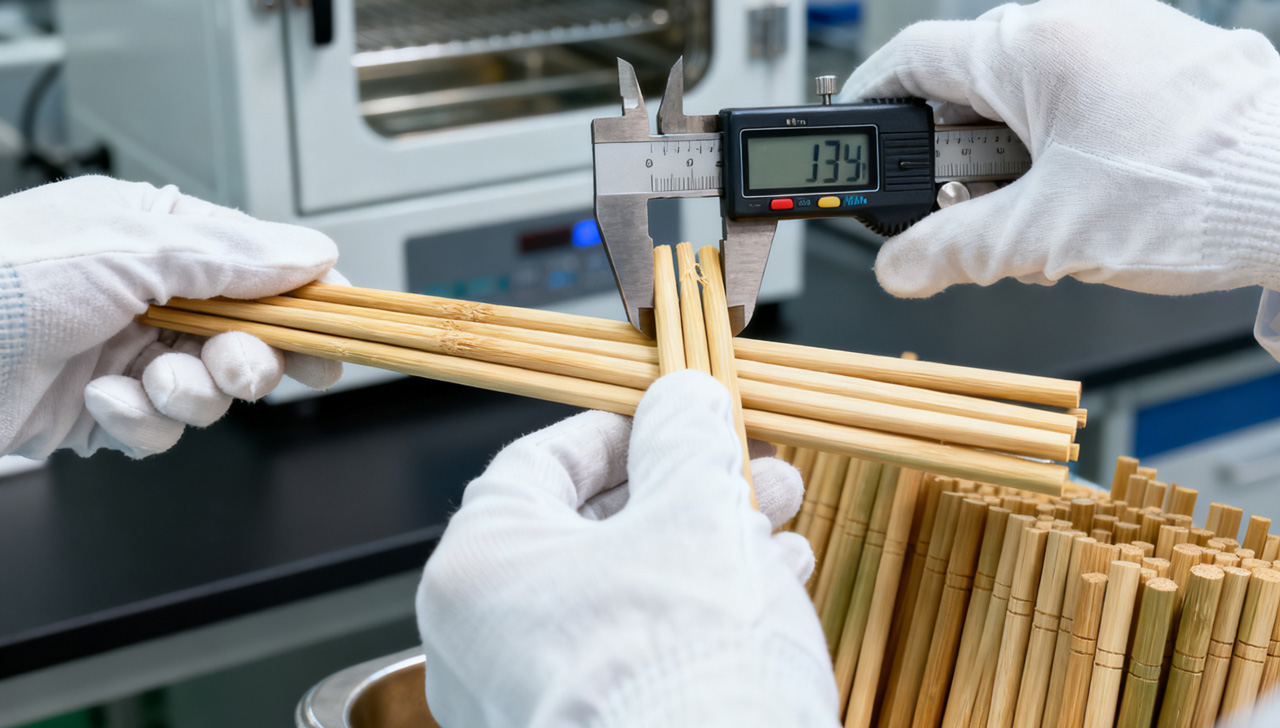 Dive deeper Paragraph:
Physical Tolerance Standards
Chinese regulations establish tiered quality classifications:| Parameter | Class A Standard | Class B Acceptable | Test Method |
|---|---|---|---|
| Length Tolerance | ±0.5mm | ±1.0mm | T/ZZB 2109 7.3 |
| Moisture Content | 8-12% | ≤15% | DB43-T 3079 5.12 |
| Splinter Count | 0 per 100pc | ≤3 per 100pc | Visual Scan |
Coating Safety Verification
Many buyers overlook these critical tests:- Migration Testing: Ensures no heavy metals (lead/cadmium) transfer to food. Our labs follow GB 4806.12-2022 standards.
- Abrasion Resistance: Chopstick tips must survive 500+ friction cycles without coating damage .
- FDA Compliance: Essential for US/EU markets - request full test reports, not just certificates.
How Do Processing Methods Affect Bamboo Chopstick Quality?
Leading paragraph: Traditional workshops produce 35% defective pieces. Modern factories like ours achieve <2% through these innovations. Snippet paragraph: Controlled carbonization at 180-200°C for 45 minutes eliminates microbes while maintaining flexibility . Avoid suppliers using sulfur fumigation - it causes brittleness.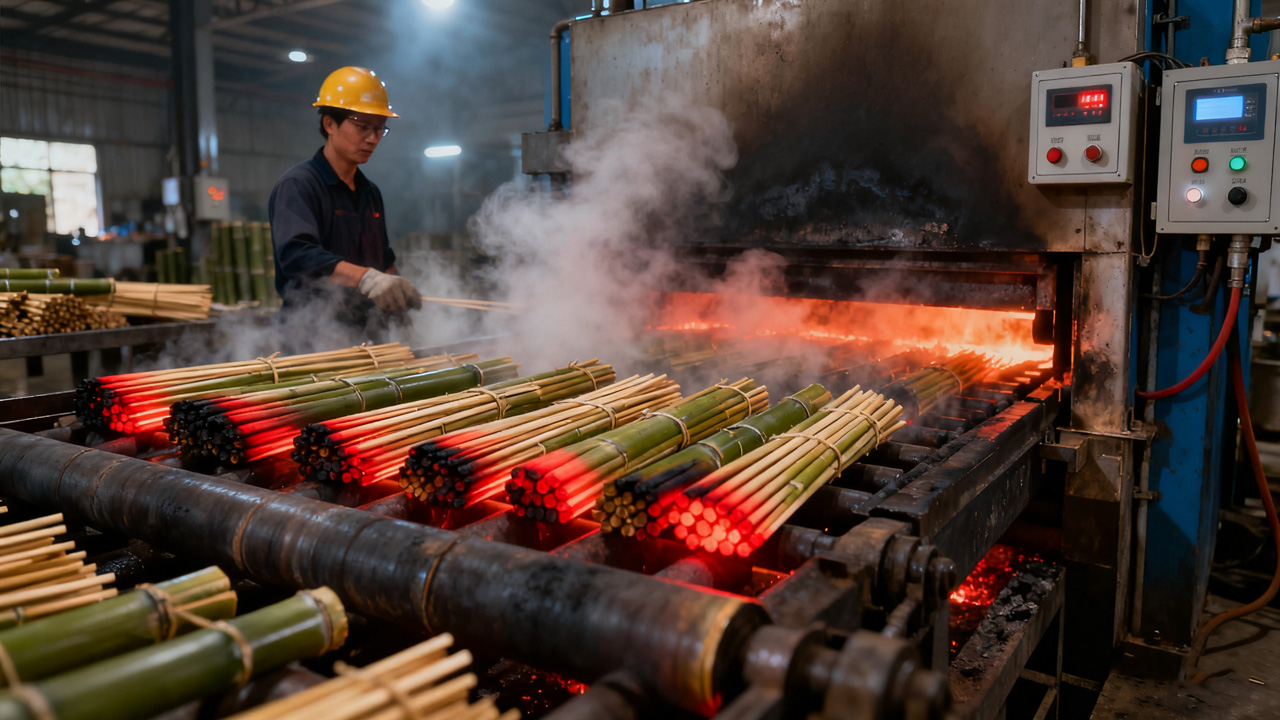 Dive deeper Paragraph:
Step-by-Step Superior Processing
- 1. Material Selection
- 2. Precision Cutting
- 3. Advanced Sterilization
- 4. Quality Control Points
What Packaging Specifications Prevent Damage During Shipping?
Leading paragraph: I've seen containers arrive with 60% broken chopsticks. These packaging standards prevent transit disasters. Snippet paragraph: Double-walled corrugated boxes with ≤2% moisture content are mandatory. Inner PE bags must be 0.08mm thick with oxygen scavengers .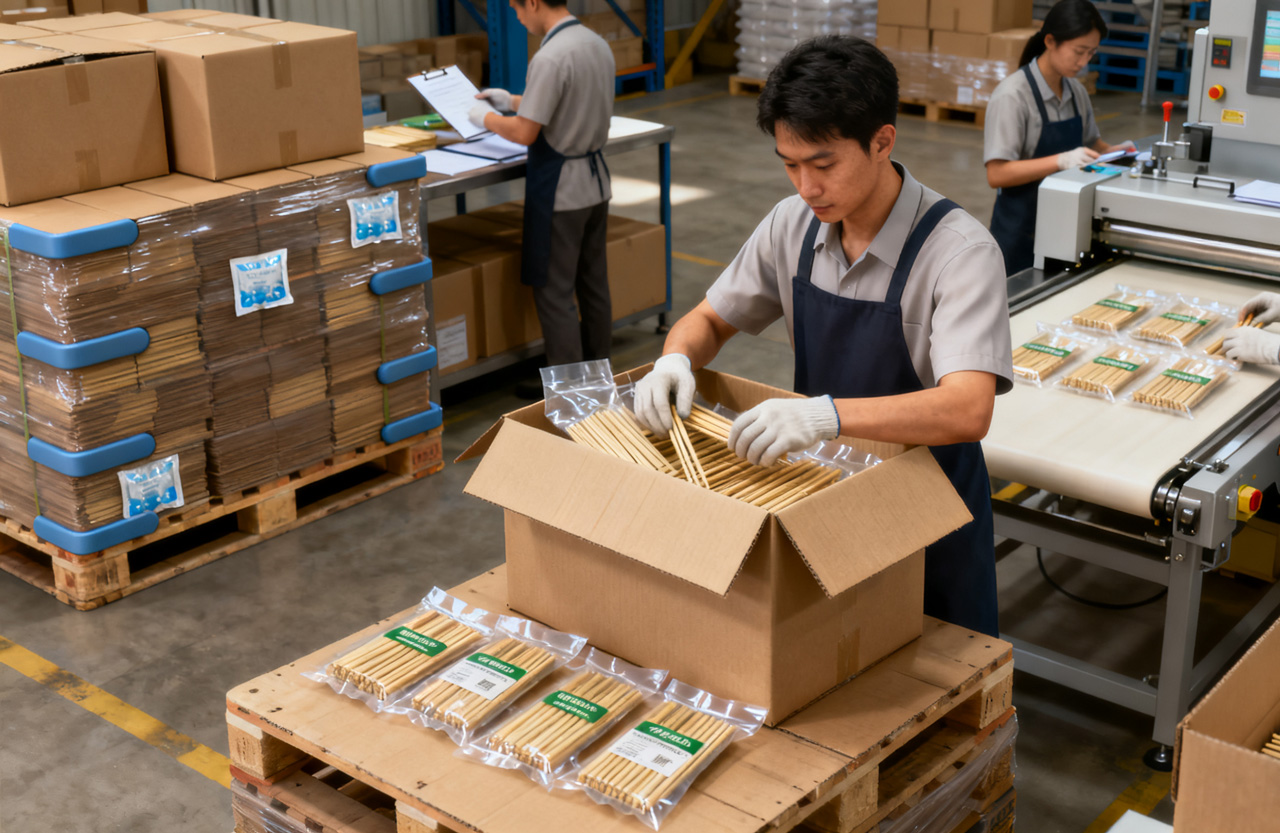 Dive deeper Paragraph:
Packaging Tier Comparison
| Protection Level | Materials Used | Cost Premium | Breakage Rate |
|---|---|---|---|
| Basic | Single-wall box | 0% | 8-12% |
| Standard | PE bag + divider | 15% | 3-5% |
| Premium | Vacuum-sealed with desiccant | 30% | <0.5% |
- Silica gel (≥5g per 100 pairs)
- VCI anti-corrosion paper
- Edge protectors on pallets