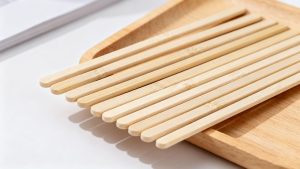

Every year, over 40 billion plastic utensils end up in landfills. These take centuries to decompose. The shift to eco-friendly options is urgent. But which materials truly deliver quality?
Bamboo tops the list for high-quality disposable wooden cutlery due to its strength, sustainability, and smooth finish that won't splinter. It grows 30 times faster than hardwood trees, making it ultra-renewable . Birch wood and FSC-certified hardwoods also perform well for everyday use .
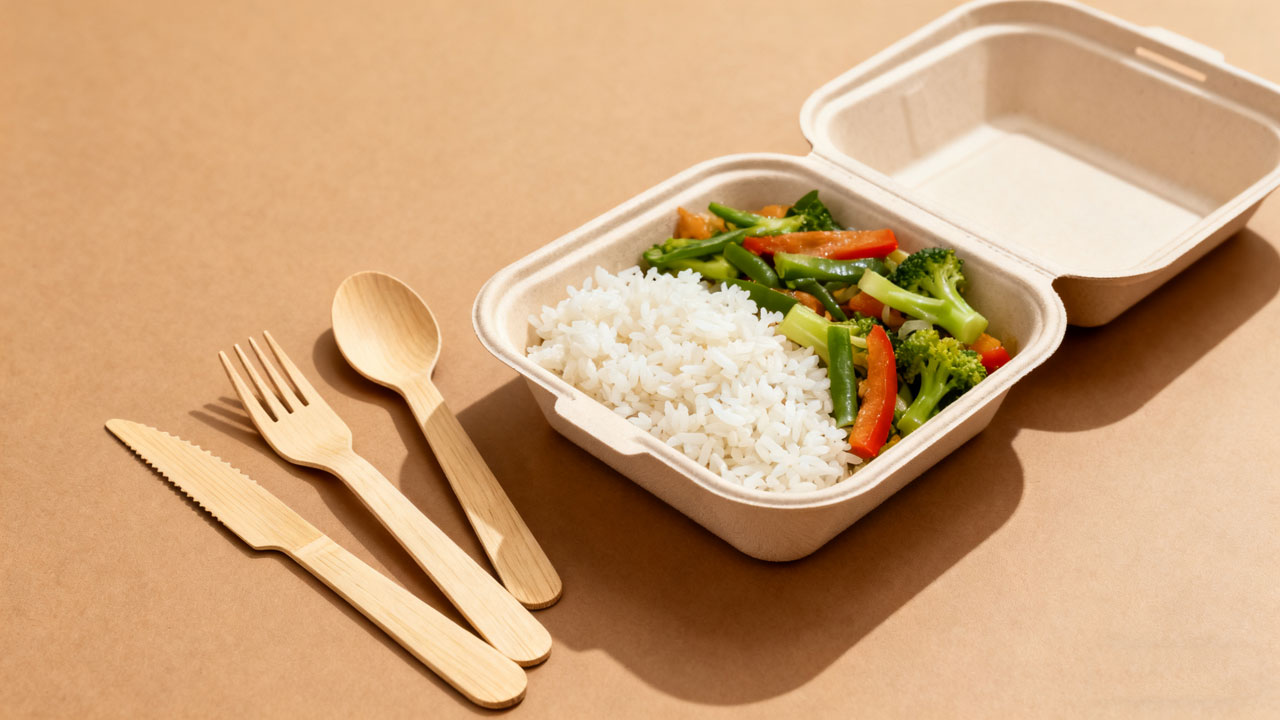 Restaurants and caterers need cutlery that balances cost, durability, and environmental impact. While plastic alternatives flood the market, wooden options provide genuine sustainability without compromising function. The right material choice depends on specific needs - from budget meals to luxury events.
Why Is Bamboo Considered the Premium Choice?
Ever struggled with flimsy disposable forks that snap mid-meal? Bamboo solves this with surprising strength. Bamboo disposable cutlery withstands heavy foods like steak and pasta because its fibers have higher tensile strength than most woods. Tests show bamboo forks endure 30% more pressure before breaking versus birch . Its natural antimicrobial properties also make kitchens safer .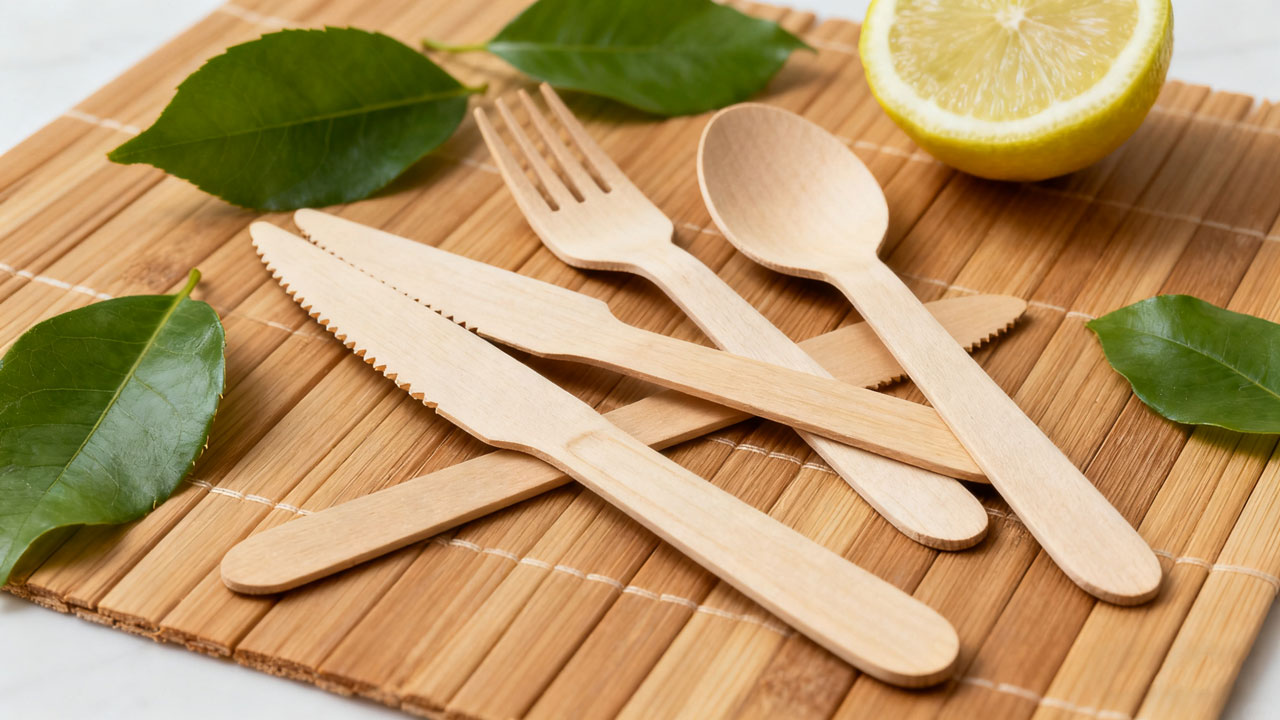
The Science Behind Bamboo's Superiority
Bamboo isn't technically wood – it's a fast-growing grass with unique properties:| Property | Bamboo | Birch Wood |
|---|---|---|
| Growth Cycle | 3-5 years | 30-50 years |
| Tensile Strength | 28,000 psi | 15,000 psi |
| Antibacterial | Natural silica content | Requires treatment |
| Moisture Resistance | High | Moderate |
Are There Situations Where Birch Wood Performs Better?
Bamboo dominates discussions, but birch wood shouldn't be overlooked. When does it make sense? Birch wood cutlery works best for short-term events where extreme durability isn't needed, offering a cost-effective eco-alternative. Its pale color presents elegantly for corporate luncheons . The wood also takes stains well for brand customization .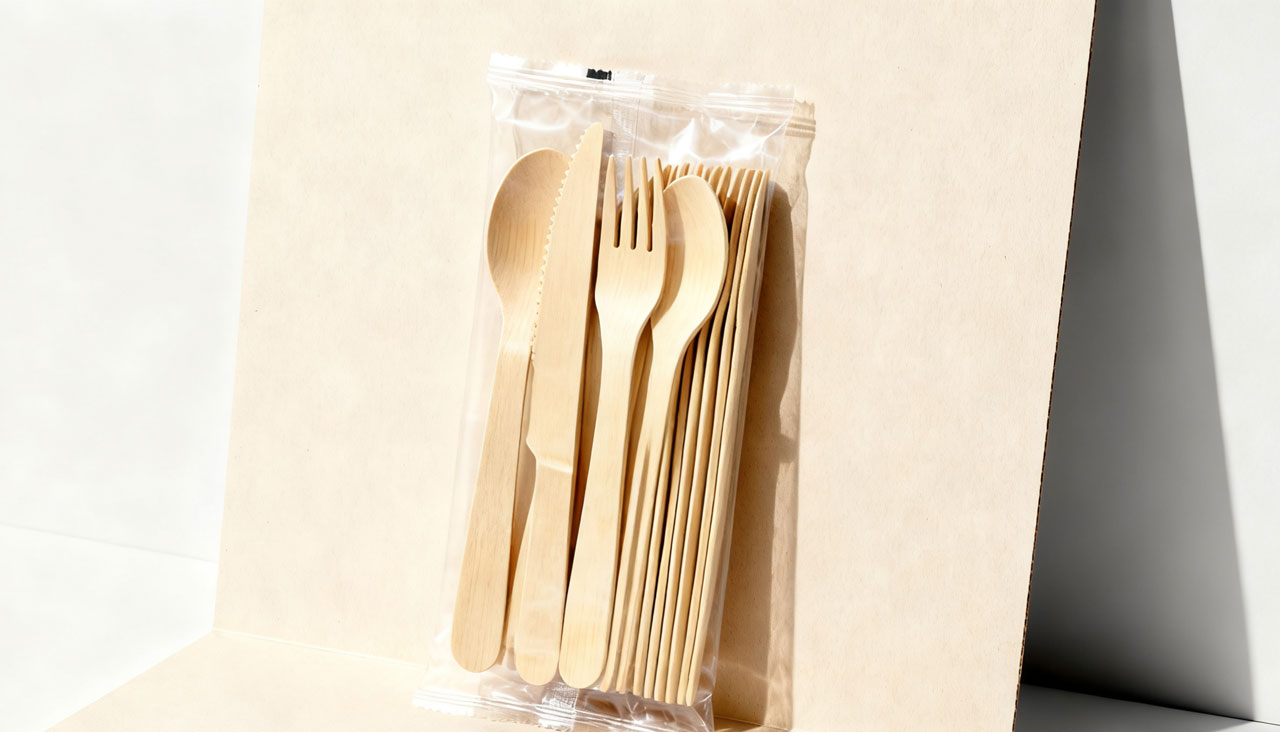
The Birch Advantage Breakdown
- 1. Cost Considerations
- 2. Manufacturing Flexibility
- 3. Regional Availability
What Specialty Materials Exist Beyond Standard Options?
High-end events sometimes demand extraordinary utensils. The market offers surprising alternatives. Palm leaf, olive wood, and wheat straw composites serve niche needs from fine dining to extreme portability. Palm leaf bowls withstand 400°F temperatures – perfect for hot appetizers . Artisans hand-carve olive wood for luxury resorts .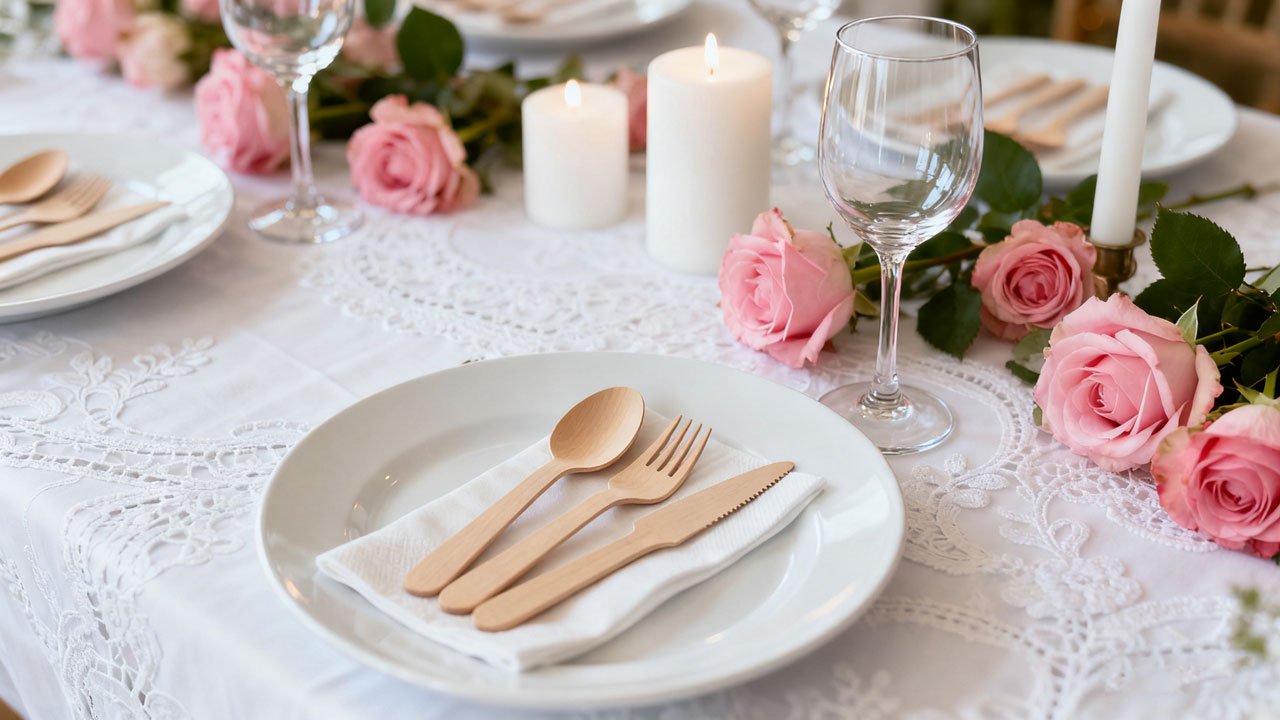
When to Choose Specialty Materials
- 1. Palm Leaf
- 2. Olive Wood
- 3. Wheat Straw Composites