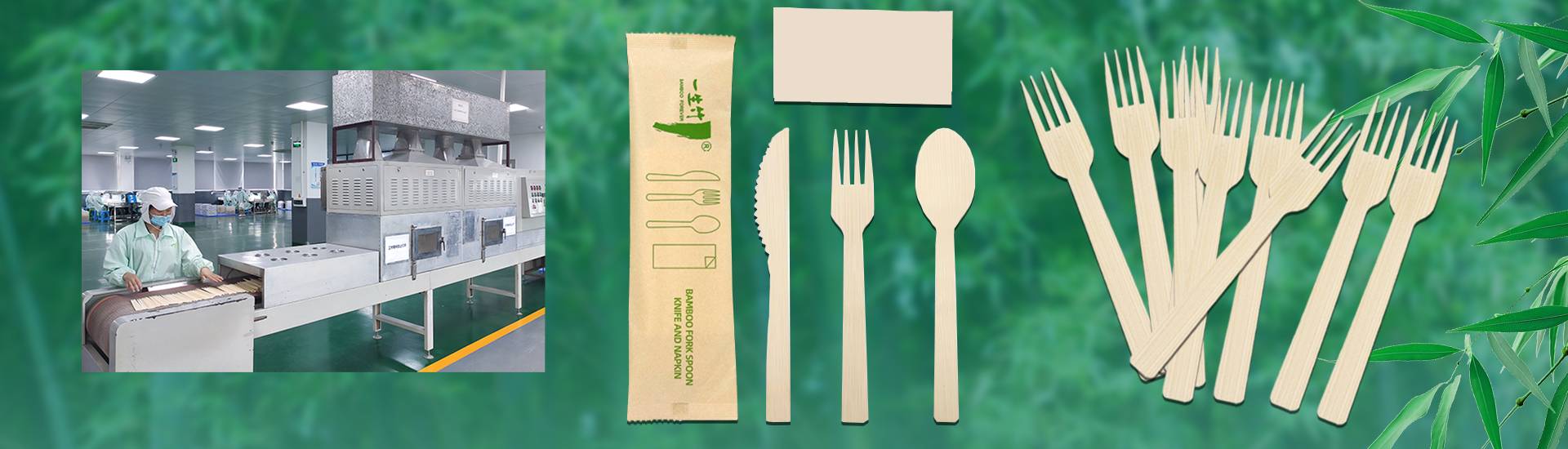
Importing bamboo chopsticks from China seems straightforward. But quality issues, shipping problems, and unexpected tariffs can turn this simple purchase into a costly headache.
The main risks are poor quality products, logistics delays or damage, and high import tariffs - but each can be managed with proper planning. You need to verify supplier quality, protect shipments, and understand tariff rules before ordering containers of chopsticks.
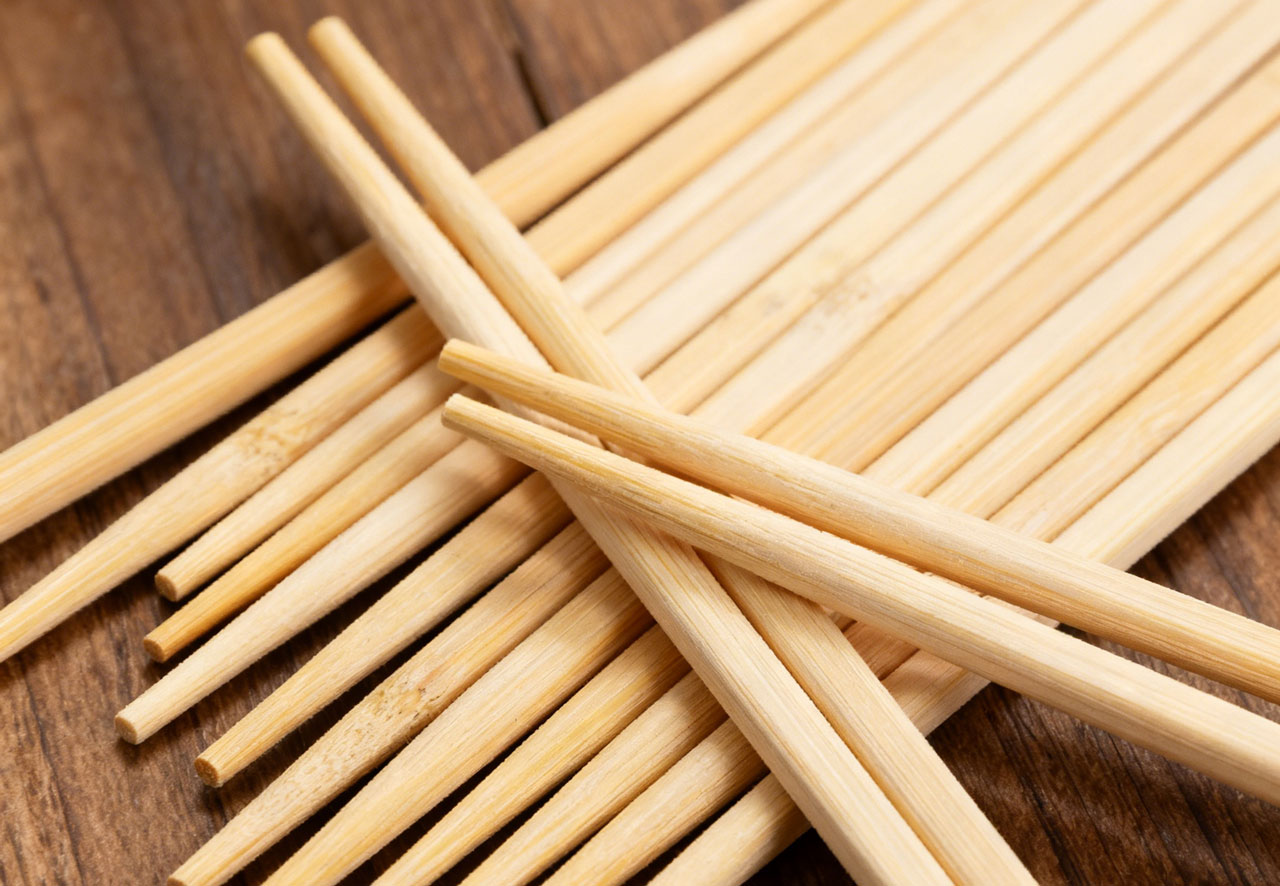 Last year, I nearly lost $30,000 on moldy chopsticks because I skipped pre-shipment inspections. Now I know better - quality risks come first when managing imports from China.
How Can You Avoid Quality Issues with Bamboo Chopsticks?
Poor materials and craftsmanship plague many Chinese bamboo products. Without checks, you might receive unusable chopsticks. Require FSC certification for sustainable bamboo, test samples for harmful chemicals, and conduct factory audits to ensure consistent quality. Bamboo should be heat-treated properly to prevent mold growth during shipping. Common quality problems include:| Risk | Solution | Cost Impact |
|---|---|---|
| Mold contamination | Demand kiln-dried bamboo | +5% material cost |
| Chemical residues | Test for sulfur dioxide | $200/lab test |
| Splintering edges | Verify sanding standards | Extended QC time |
- Material certificates from suppliers
- Third-party lab testing
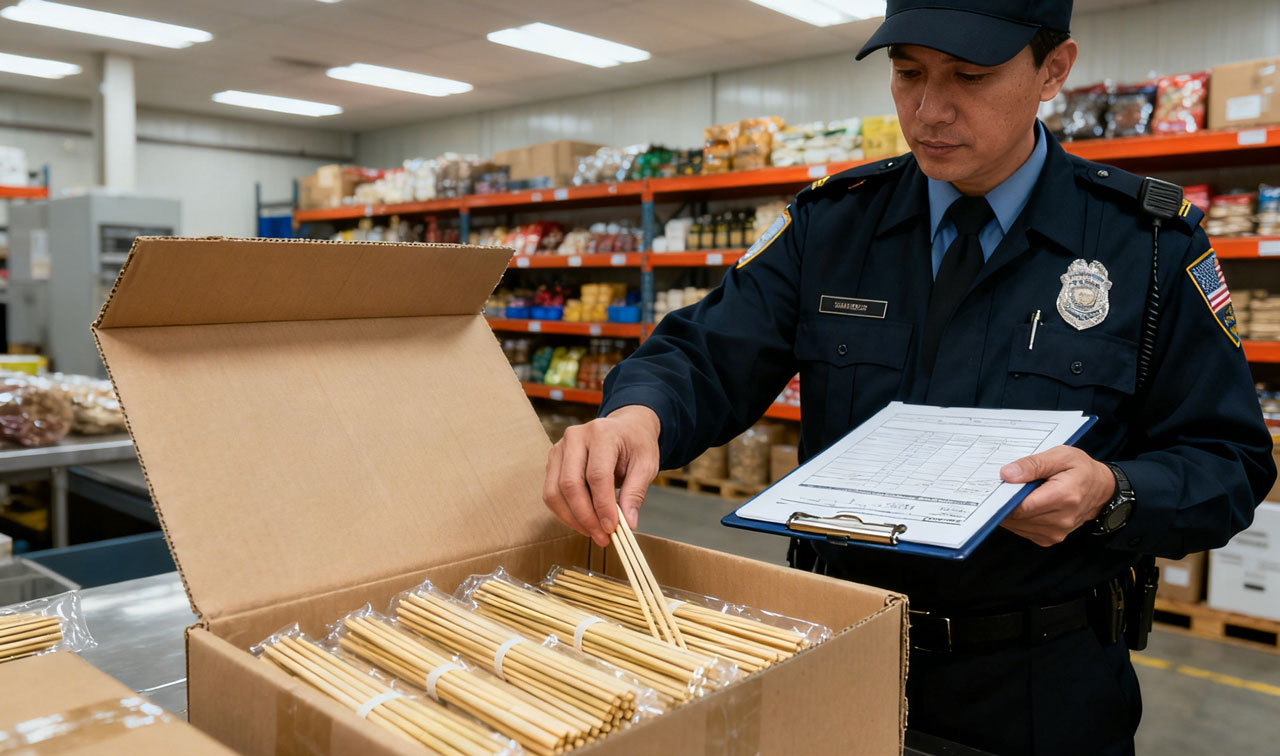
- Preshipment inspection reports
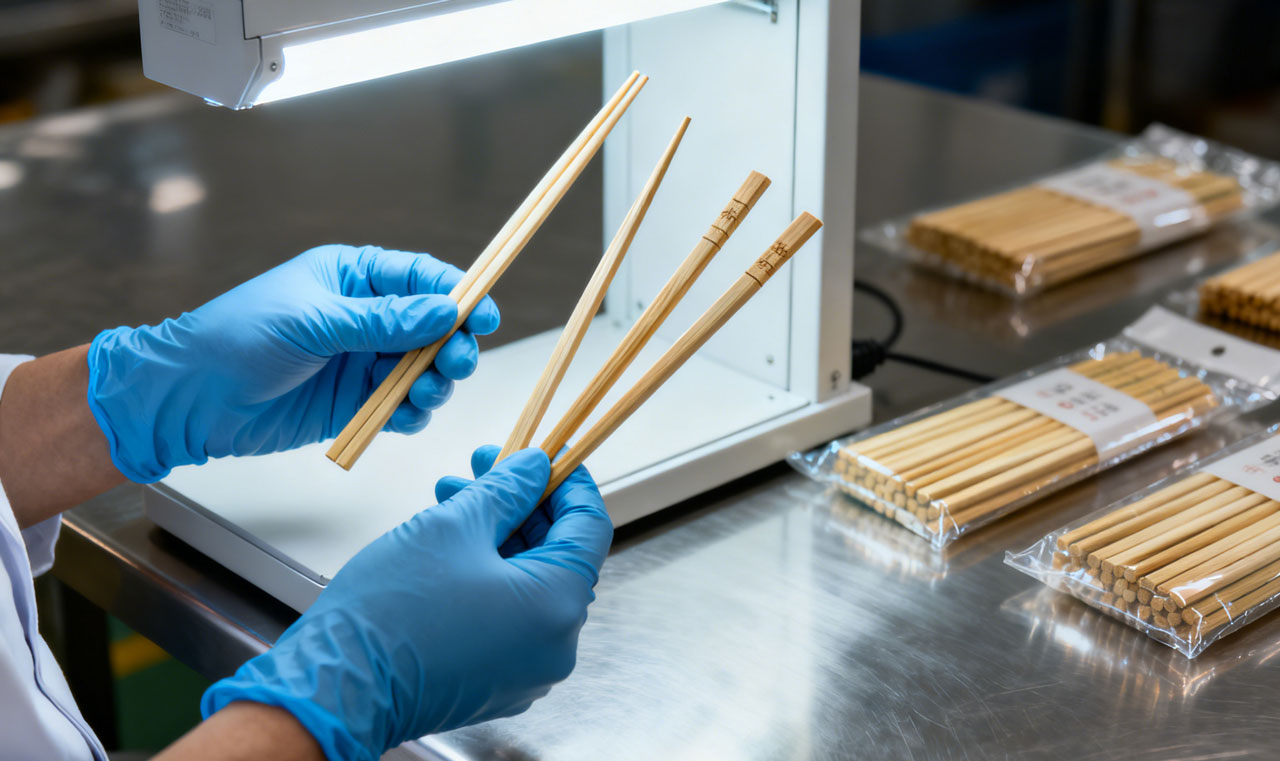 Processing bamboo correctly takes time - shortcuts mean problems later. Ask suppliers detailed questions about drying time and treatment methods before ordering containers.
What Logistics Challenges Come with Bulk Chopstick Imports?
Ocean shipping introduces multiple failure points between factory and your warehouse. Packaging and tracking prevent costly losses. Choose FOB shipping terms to control transport, double-wall carton packaging for protection, and track containers daily. Budget at least 60 days for sea freight to account for port congestion delays. Major shipping risks:- 1. Moisture Damage
- Desiccant packs in all cartons
- Waterproof outer wrapping
- "Keep Dry" labeling in Chinese/English
- 2. Port Delays
| Document | Purpose | Timing |
|---|---|---|
| Bill of Lading | Ownership proof | Before sailing |
| Phytosanitary Cert. | Customs clearance | With shipment |
| Packing List | Verify quantities | Pre-shipment |
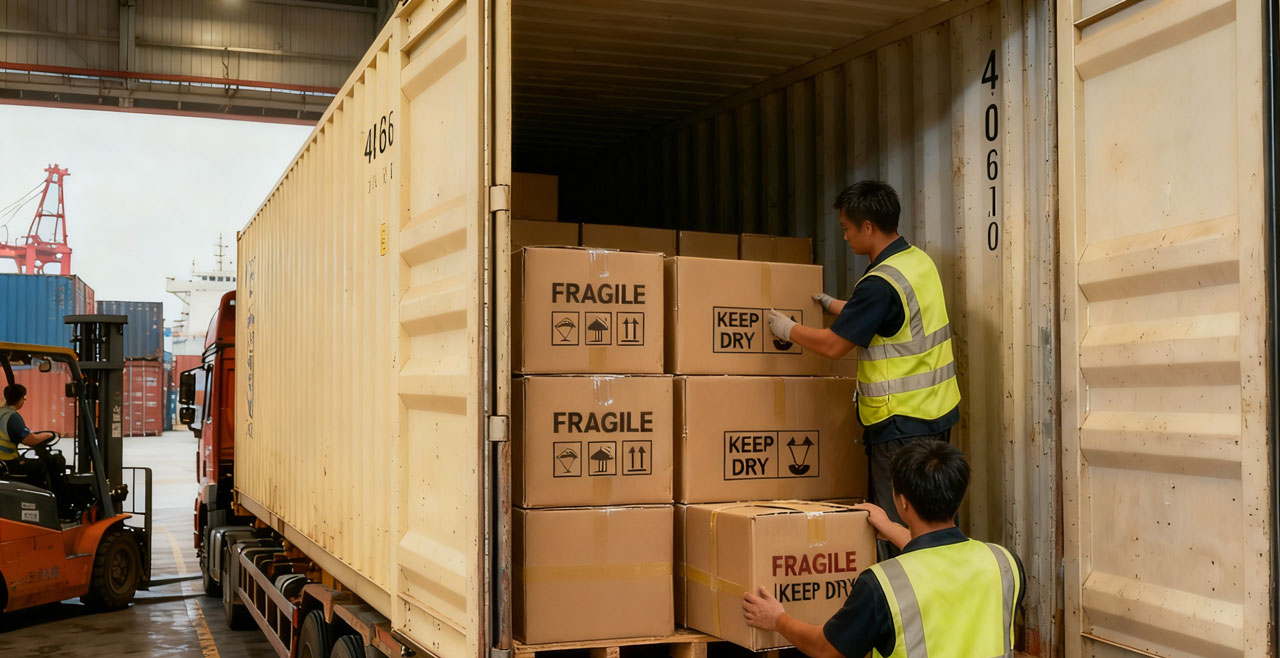 Always visit the loading port if possible. Seeing how workers handle your goods reveals risks no paperwork shows.
How Do US Tariffs Affect Bamboo Chopstick Imports?
Trade policies change frequently - imported chopsticks now face steeper costs than two years ago. Expect 25% tariffs under HTS code 4419.00.50, plus possible anti-dumping duties if prices seem too low. Some importers use Vietnam as alternate sourcing to avoid China tariffs. Recent tariff timeline:| Date | Change | Impact |
|---|---|---|
| Jan 2023 | Regular MFN duty | 6.5% |
| Mar 2024 | Section 301 added | +25% |
| Current | Total potential | 31.5% |
- 1. Foreign Trade Zones
- 2. First Sale Rule
- 3. Value Engineering
 I consult a trade attorney quarterly since rules change often. Misclassifying products risks costly fines during customs audits.