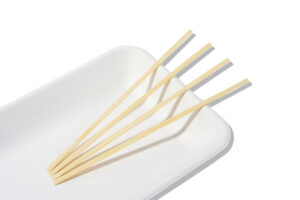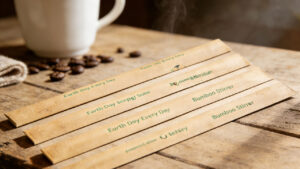

Bamboo coffee stirrers seem eco-friendly, but how can you be sure they're truly sustainable?
Look for these certifications to confirm bamboo stirrers meet strict environmental standards: FSC ensures responsible forestry, OK Compost guarantees compostability, and USDA Biobased verifies renewable materials .
 Switching to bamboo stirrers feels good, but certified products make the choice meaningful. Here's how to spot genuinely sustainable options.
Why Does FSC Certification Matter for Bamboo Stirrers?
Bamboo grows fast, but reckless harvesting harms ecosystems. FSC certification means bamboo is sourced without deforestation or worker exploitation – auditors track the supply chain from forest to factory . Over 50% of eco-conscious buyers prioritize this label when purchasing bamboo products.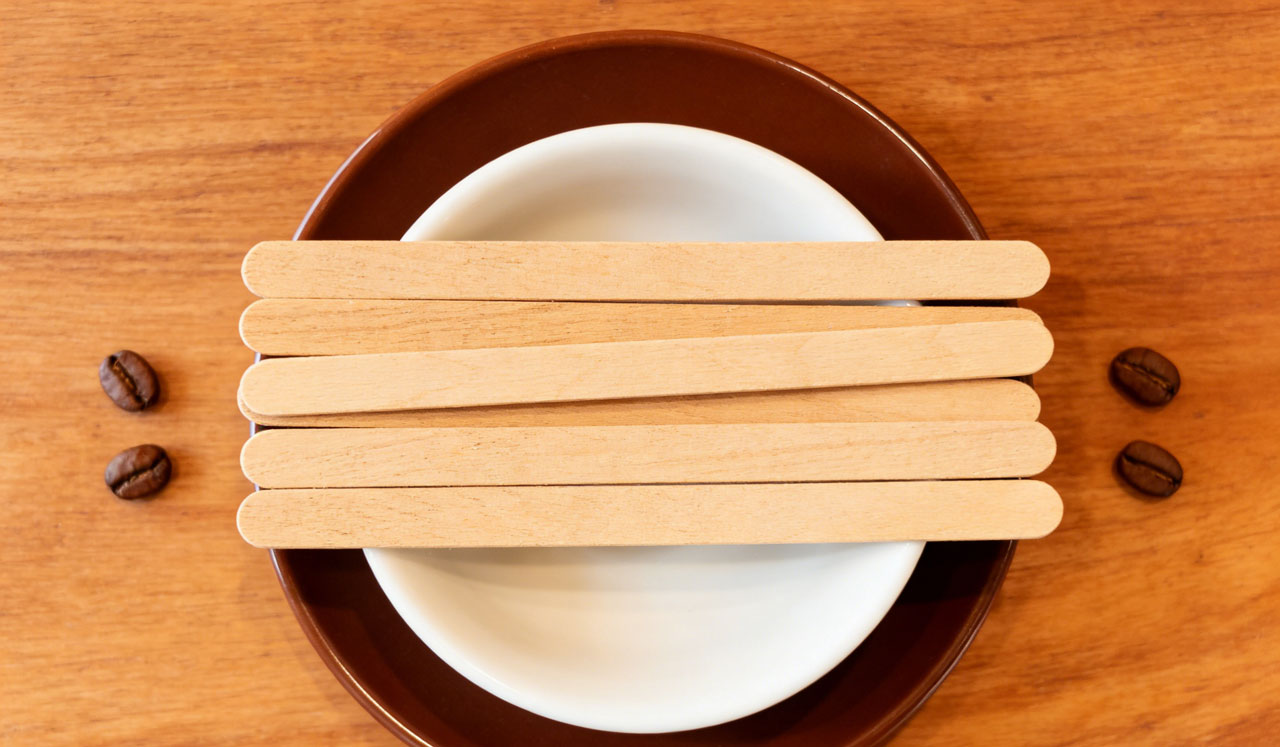
Breaking Down FSC Requirements
The FSC sets clear rules for bamboo production:| Criteria | What It Ensures | Why It Matters |
|---|---|---|
| No clear-cutting | Forests maintain biodiversity | Protects animal habitats |
| Fair wages | Workers earn living incomes | Ethical labor practices |
| Chemical limits | Restricted pesticide use | Safer soil and water |
| Replanting | New shoots replace harvested bamboo | Sustainable yield long-term |
How Does OK Compost Certification Work?
Many "biodegradable" products only break down in industrial facilities. OK Compost certification means stirrers decompose within 12 weeks in commercial composting conditions, tested at 58°C with specific microbial activity . Home composters should look for the "HOME" variant of this label.Composting Process Timeline
| Week | Decomposition Stage | Certification Checkpoint |
|---|---|---|
| 1-3 | Microbial colonization begins | ≥90% surface area accessible |
| 4-6 | Cellulose fibers soften | No toxic residue detected |
| 7-9 | Mass reduces by 50% | Heavy metals below EU limits |
| 10-12 | Fully integrates into compost | Passes seedling germination test |
What Makes USDA Biobased Certification Different?
Renewable sourcing matters, but some products mix bamboo with plastics. USDA Biobased labels show the exact percentage of plant-based material – look for "100%" for pure bamboo stirrers . The program tests products using radioactive carbon dating to verify biomass content.
Understanding Biomass Content Grades
| Certification Level | Bamboo Content | Common Uses |
|---|---|---|
| Bronze (25-50%) | Low | Often contains synthetic binders |
| Silver (51-75%) | Moderate | Blended disposable items |
| Gold (76-99%) | High | Premium foodware |
| Platinum (100%) | Pure | Medical/food-grade bamboo |
Are There Other Trustworthy Eco-Certifications?
Some certifications address specific environmental concerns. Rainforest Alliance and Bamboo Bioproducts Certification cover social impact and chemical safety beyond basic sustainability . These are ideal for businesses aiming for B-Corp status or carbon neutrality goals.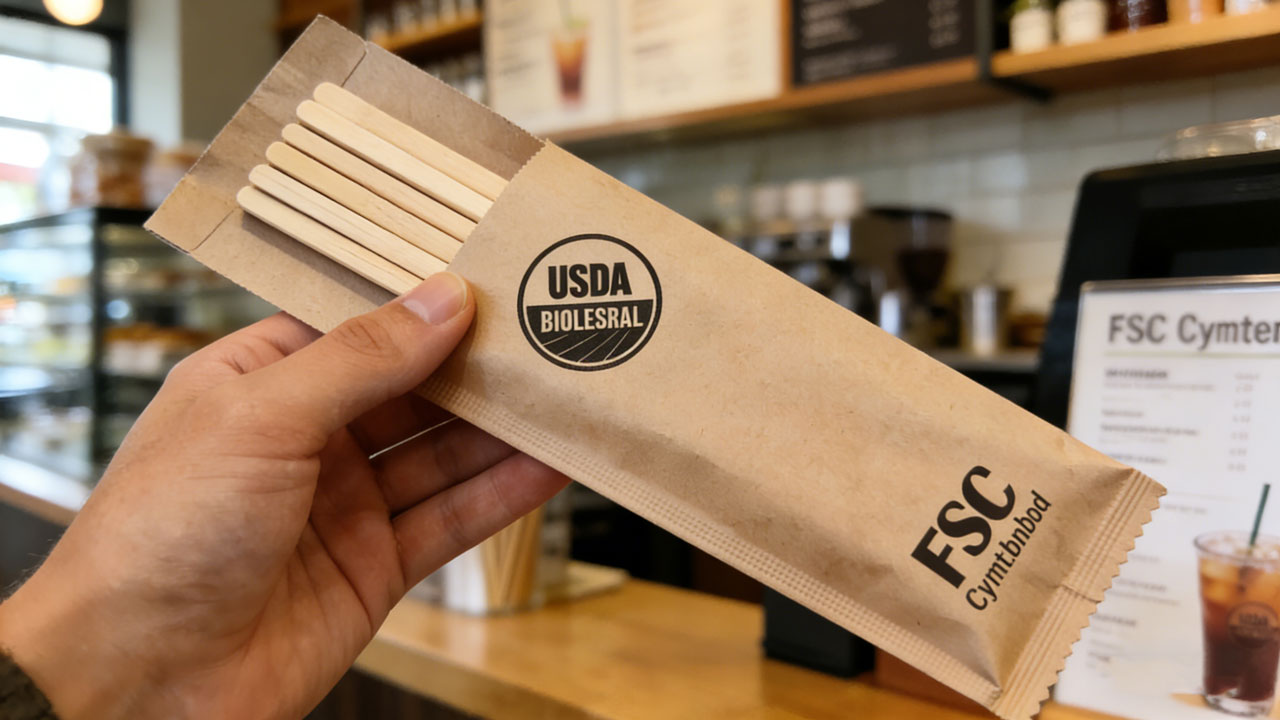
Comparing Additional Certifications
| Certification | Focus Area | Audit Frequency | Ideal For |
|---|---|---|---|
| Rainforest Alliance | Community welfare | Annual | Ethical sourcing programs |
| Bamboo Bioproducts | Chemical-free processing | Biannual | Allergy-sensitive venues |
| Cradle to Cradle | Circular production | Triannual | Zero-waste initiatives |
| CarbonNeutral | Emissions offsetting | Project-based | Climate-conscious brands |