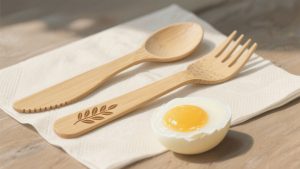
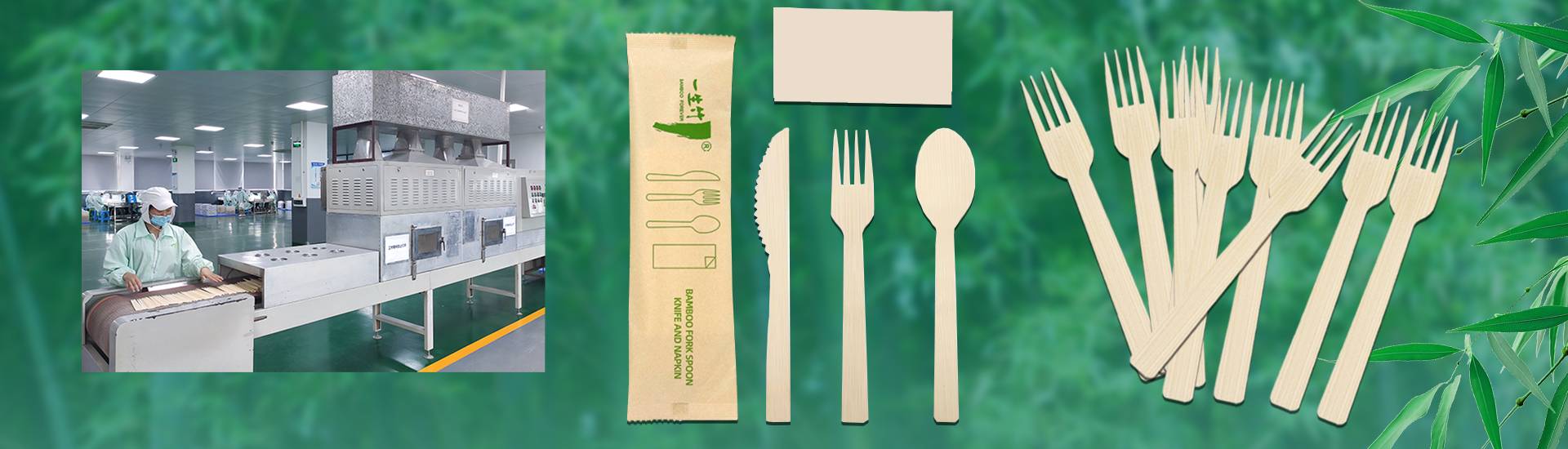
Looking for ways to make your wooden cutlery stand out with custom branding? You're not alone. Many businesses want unique, eco-friendly utensils that reflect their brand identity.
Branded wooden cutlery offers multiple customization methods including laser engraving, printing, embossing, custom shapes, material choices, and eco-friendly packaging. These options let you create functional art that aligns with your brand values.
 Custom branded utensils do more than serve food - they tell your story. Whether for restaurants, events, or corporate gifts, the right customization creates lasting impressions.
How Does Laser Engraving Work for Wooden Cutlery?
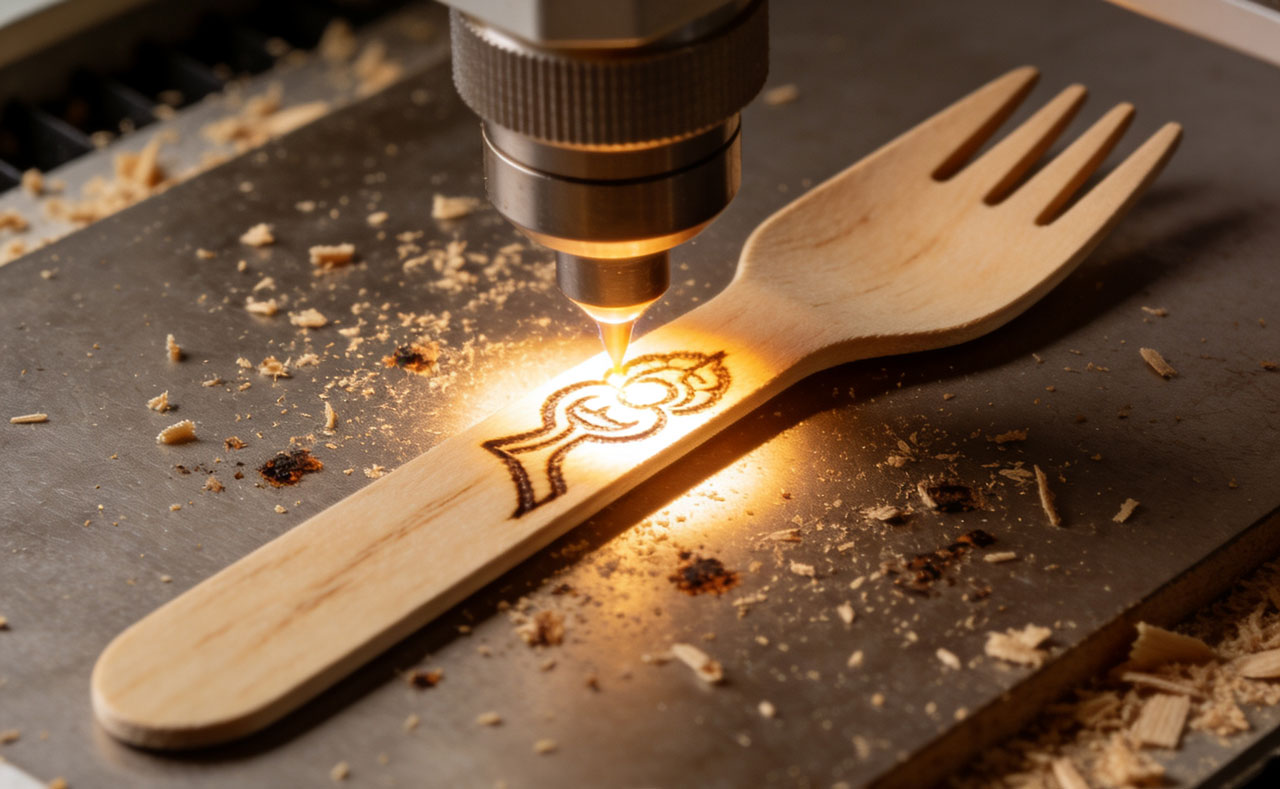
Worried your logo might fade or peel off? Laser engraving solves this problem permanently. Laser engraving burns designs directly into the wood surface, creating durable marks that won't rub off. This method works best for logos, text, or simple artwork with clear lines.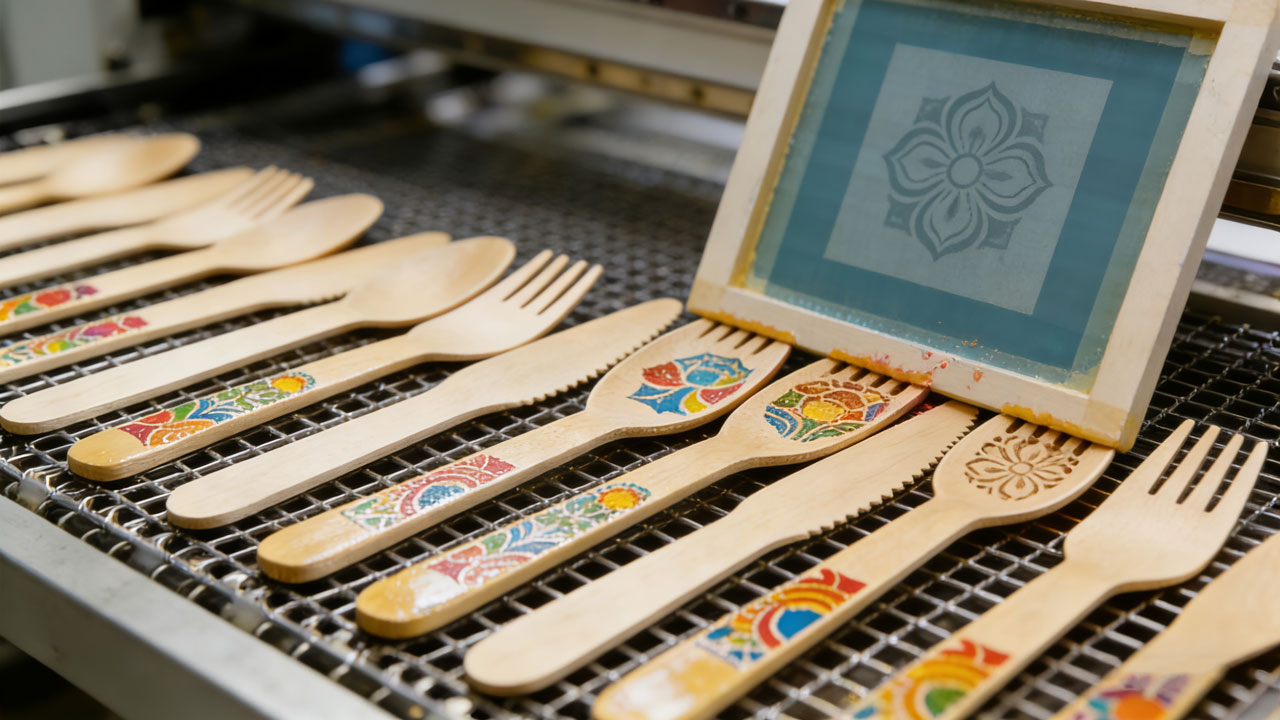 The engraving process involves several key steps:
- 1. Design Preparation
- 2. Material Selection
| Wood Type | Engraving Result |
|---|---|
| Birch | Crisp, light marks |
| Bamboo | Slightly darker engraving |
| Beech | Medium contrast |
- 3. Production Considerations
What Printing Techniques Work Best?
Need colorful branding that pops? Printing methods offer vibrant solutions. Digital and screen printing apply colored inks directly to wood, allowing full-color logos and complex designs. These methods work well for photographic images or gradient effects. The choice between printing methods depends on several factors:| Feature | Digital Printing | Screen Printing |
|---|---|---|
| Color Options | Unlimited | 1-6 colors |
| Detail Level | High | Medium |
| Durability | Moderate | High |
| Cost (per piece) | $0.15-$0.30 | $0.10-$0.25 |
| Set-up Time | Fast | Slower |
- Surface Preparation: Woods must be sanded smooth
- Food Safety: Use water-based, non-toxic inks
- Design Limits: Avoid very small text (<3mm)
- Aftercare: Hand-wash recommended
Why Choose Embossing or Debossing?
Want tactile branding that customers can feel? Raised or recessed textures create memorable experiences. Embossing creates raised designs while debossing presses patterns into the wood, adding dimension without ink. Both methods work well for logos or decorative elements.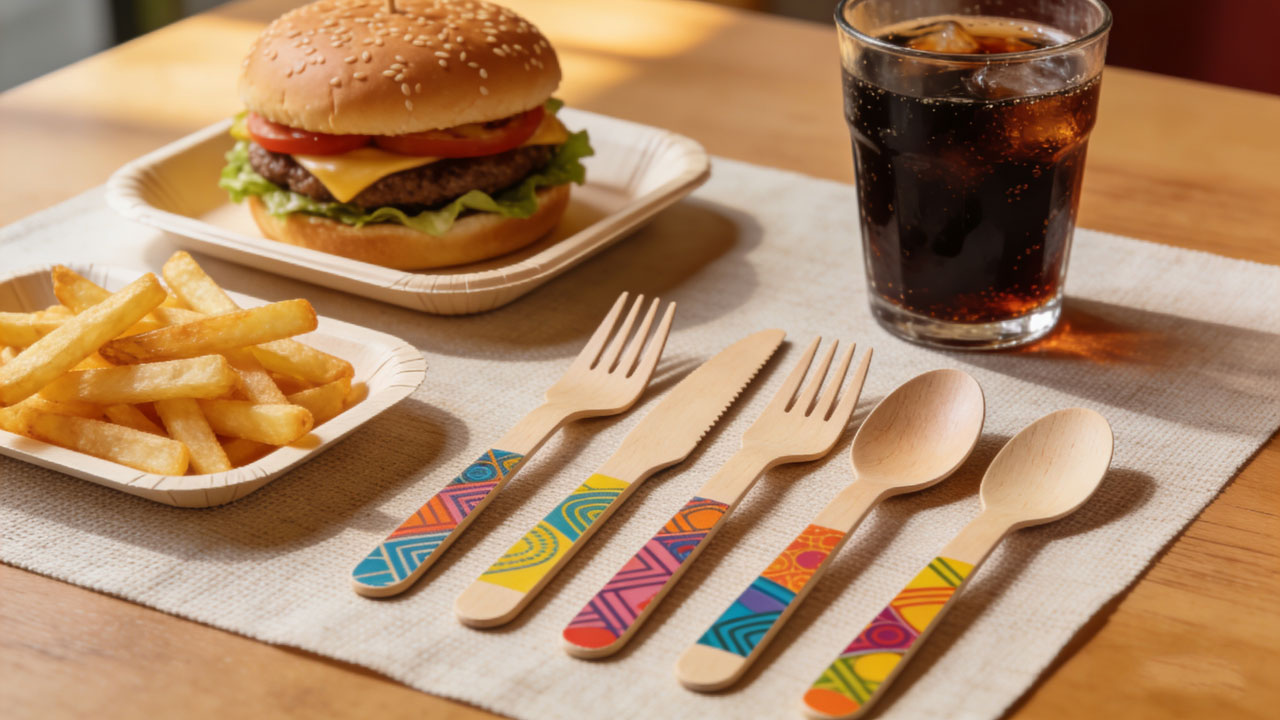 Technical specifications vary by manufacturer:
- Minimum raised height: 0.3mm
- Maximum depth: 1.5mm (without compromising strength)
- Typical mold costs: $200-$500 (one-time)
- Best for batch quantities: 500+ units
- No ink means no fading
- Works with all wood finishes
- Creates premium feel
- Functions well with natural wood tones
Can You Customize Cutlery Shapes?
Standard knife-fork-spoon sets feel generic? Unique shapes make your branding unmistakable. Custom die-cutting allows completely original utensil shapes, from branded handles to functional innovations. This works for both practical improvements and aesthetic statements. Consider these shape customization approaches:- 1. Handle Designs
- 2. Functional Modifications
- 3. Practical Considerations
- $800-$1,500 tooling fee
- 4-6 week production time
- Minimum order: 1,000 units
What Wood Types Work Best?
Concerned about sustainability or durability? Material choices impact both function and branding. Common options include birch, bamboo, and beech - each offering different grains, colors, and environmental benefits. Your choice affects engraving quality, break resistance, and customer perception.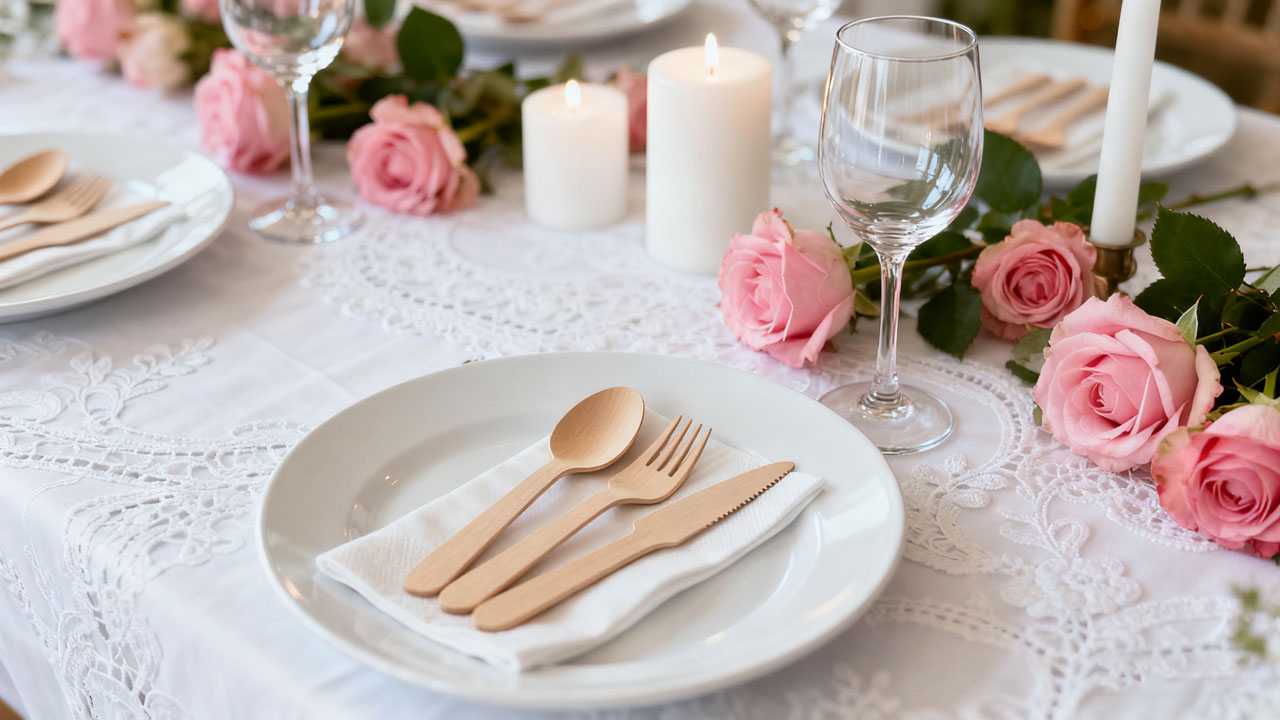 Detailed material comparison:
| Property | Birch | Bamboo | Beech |
|---|---|---|---|
| Durability | High | Very High | Medium |
| Grain Visibility | Pronounced | Subtle | Moderate |
| Color | Light blonde | Pale yellow | Pinkish tint |
| Engraving Contrast | Good | Excellent | Fair |
| Growth Cycle | 30-40 years | 3-5 years | 30-40 years |
| Cost | $$ | $ | $$ |
- Palm wood (from coconut trees)
- Maple (for ultra-smooth finishes)
- Cherry (for reddish tones)