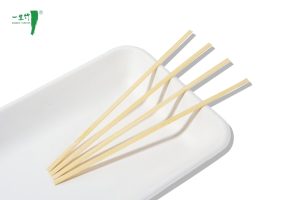
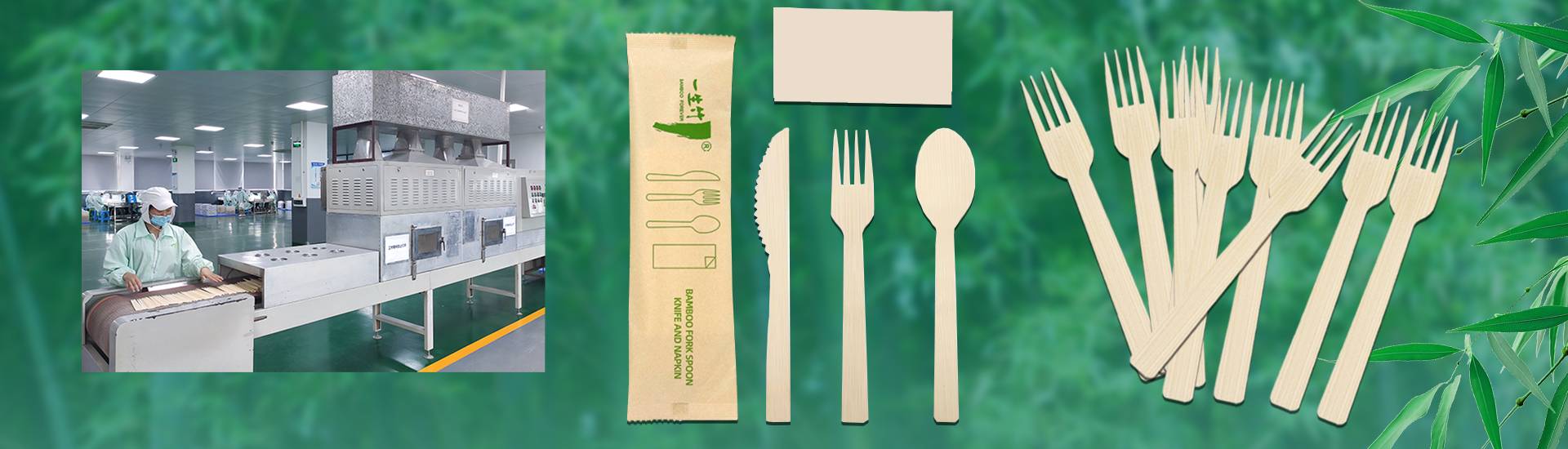
Plastic cutlery takes 450+ years to decompose - wooden alternatives return to nature in just 90 days while reducing microplastic contamination by 100%.
Wooden cutlery outperforms plastic in environmental impact, degrading fully within 3 months vs centuries for plastic, while using renewable resources that absorb CO2 during growth (0.5kg CO2/kg wood vs 6kg CO2/kg plastic).
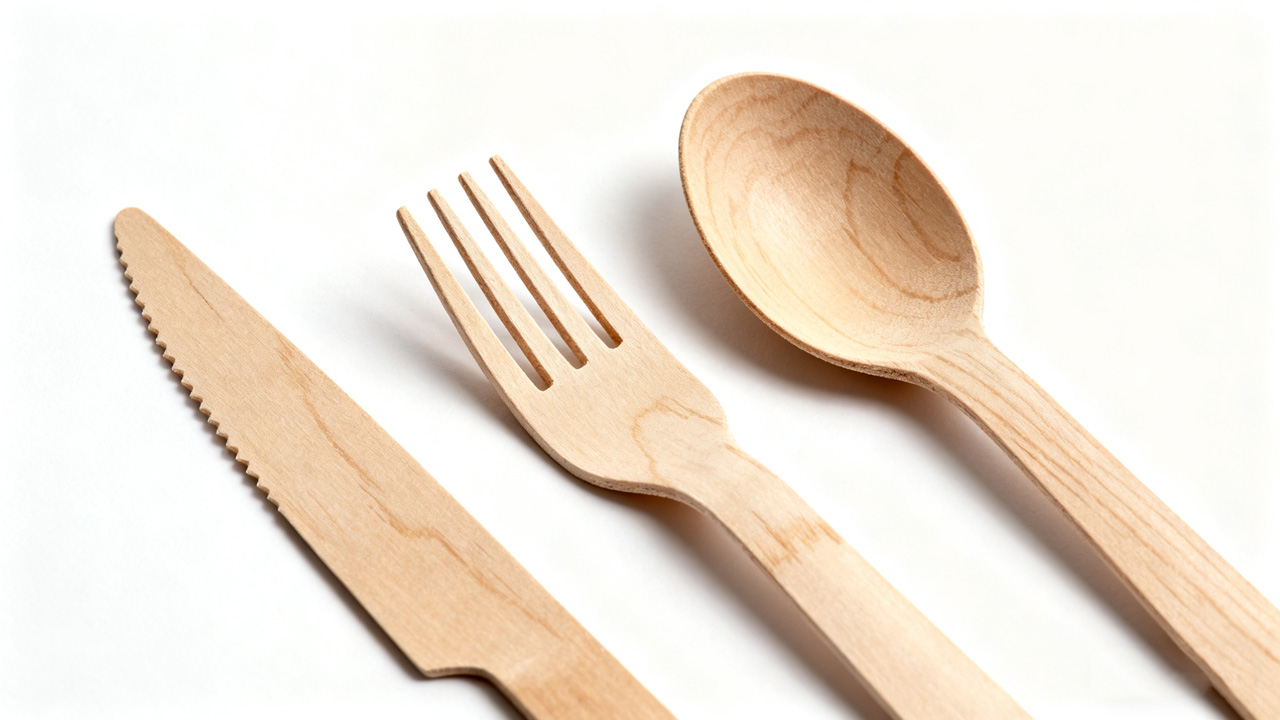 Beyond sustainability benefits, understanding material selection and sourcing practices maximizes both ecological impact and product quality.
How Can Importers Source High-Quality Wooden Cutlery Sustainably?
Not all "eco-friendly" wood cutlery meets standards - these procurement strategies prevent greenwashing while ensuring supplier reliability. Prioritize suppliers with FSC/PEFC certification, water-based food-grade coatings (instead of chemical sealants), and documented chain-of-custody proving sustainable forestry practices from seedling to shipment.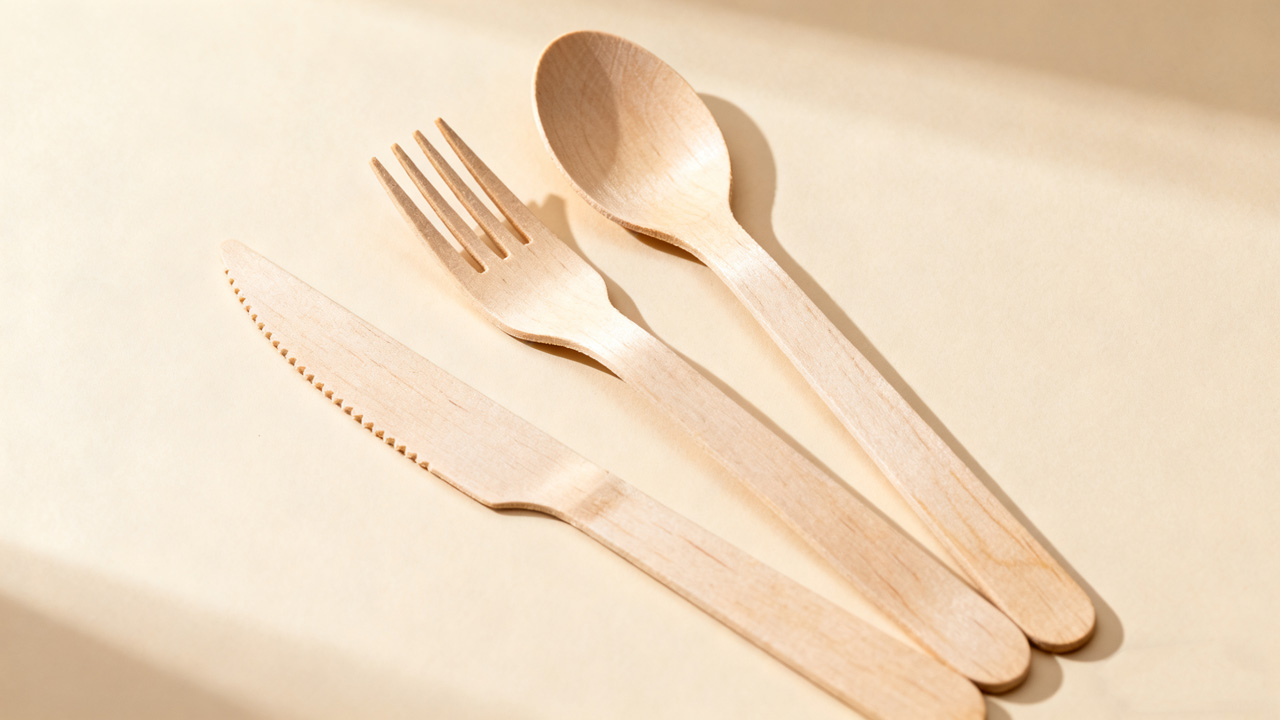
Sustainable Sourcing Scorecard
| Evaluation Factor | Ideal Standard | Verification Method |
|---|---|---|
| Material Origin | Fast-growing birch/aspen from managed forests | FSC Certification ID cross-check |
| Manufacturing | Steam sterilization only | Factory audit water treatment reports |
| Coatings | Beeswax or plant-based oils | FDA 21CFR compliance documents |
| Carbon Footprint | <0.8kg CO2 equivalent per kg | Life Cycle Assessment reports |
| Social Compliance | BSCI/SMETA audited facilities | Latest audit reports review |
- Unverified "natural" claims without certifications
- Lack of material declaration sheets
- Suppliers unable to provide deforestation monitoring data
Why Is Birchwood Preferred Over Other Materials in Wooden Cutlery Production?
Birch comprises 70% of premium wooden cutlery - its unique cellular structure solves key durability and safety challenges. Birch's tight grain pattern provides 20% greater bending strength than pine, naturally resists liquid absorption (reducing bacteria growth), and contains betulin compounds that mildly inhibit microbial activity.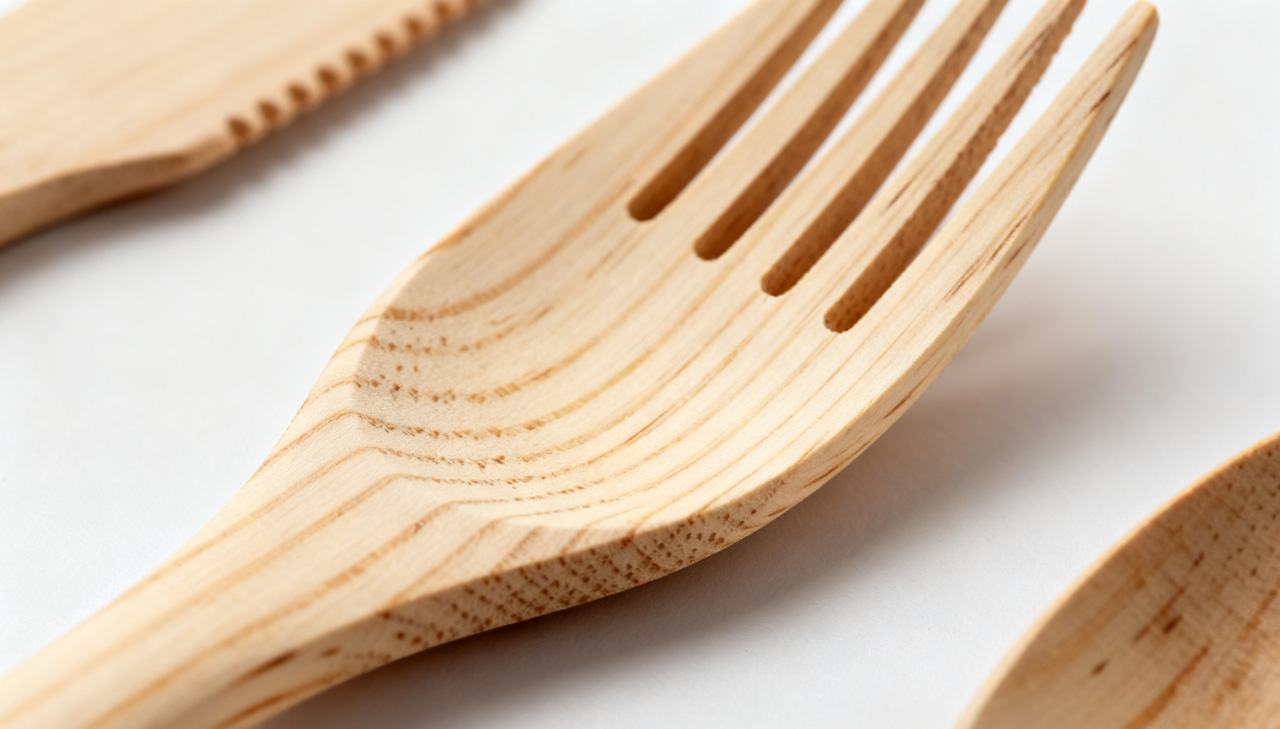
Wood Species Comparison Table
| Property | Birch | Bamboo | Maple | Pine |
|---|---|---|---|---|
| Janka Hardness | 1260 lbf | 1400 lbf | 1450 lbf | 380 lbf |
| Moisture Resistance | Excellent | Good | Fair | Poor |
| Natural Antimicrobial | Yes (Betulin) | Mild | No | No |
| Machinability | Smooth finish | Fibrous | Requires conditioning | Very soft |
| Growth Cycle | 15-20 years | 3-5 years | 30-40 years | 10-15 years |
- Birch's pale color requires less bleaching
- Consistent density allows precision CNC machining
- Neutral flavor profile compared to resinous woods
What Are the Latest Trends in Wooden Cutlery Design and Customization?
Innovative designs are transforming utilitarian cutlery into branded experiences - these emerging trends command 25-70% price premiums. Leading trends include ergonomic wave-handle designs (reducing wrist strain by 18%), laser-engraved brand logos with food-safe dyes, and hybrid designs combining wood with compostable bioplastic inserts for specialty functions.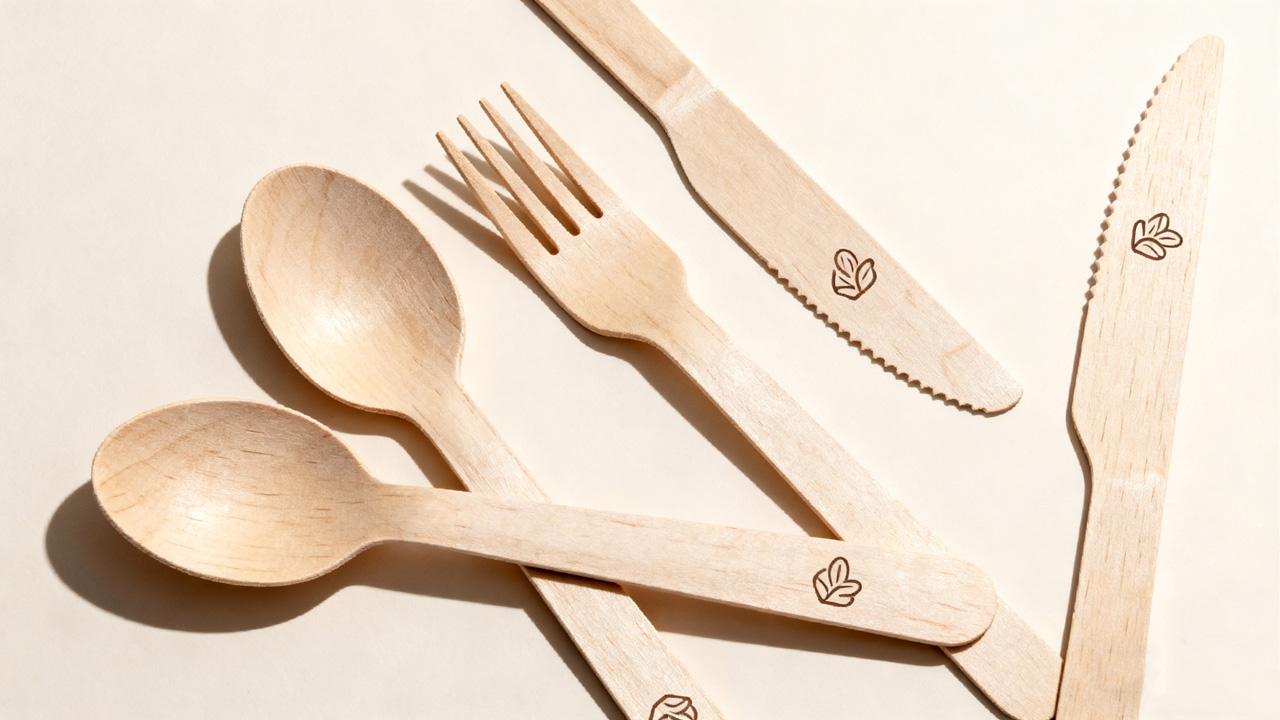
Customization Innovation Matrix
| Trend | Technical Specification | Value Proposition |
|---|---|---|
| Anti-Slip Texturing | 0.3mm precision CNC grooves | 40% better grip with sauces |
| Stack-Flat Profiles | 2.8mm uniform thickness | 35% more units per shipment |
| Branded Packaging | Seed paper sleeves with soy ink | 7x higher social media tagging |
| Dual-Material | Wood handle + PLA functional end | Specialized uses (e.g., spreader knives) |
| Color Options | Organic pigment staining | Visual menu coordination |
- Custom branded cutlery increases customer retention by 22%
- Ergonomic designs reduce breakage complaints by 65%
- Hybrid materials expand into ice cream/salad specialist utensils