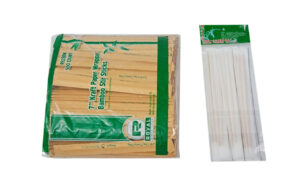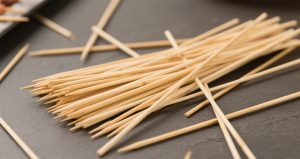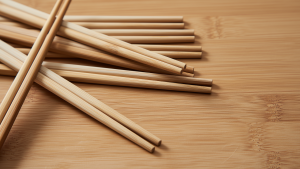
Every year, billions of disposable chopsticks are thrown away. Most end up in landfills. Bamboo chopsticks offer a better solution for our planet.
Bamboo chopsticks are the most eco-friendly disposable option because they come from a fast-growing plant that requires no replanting or harmful chemicals. They biodegrade naturally within months, unlike plastic or treated wood alternatives.
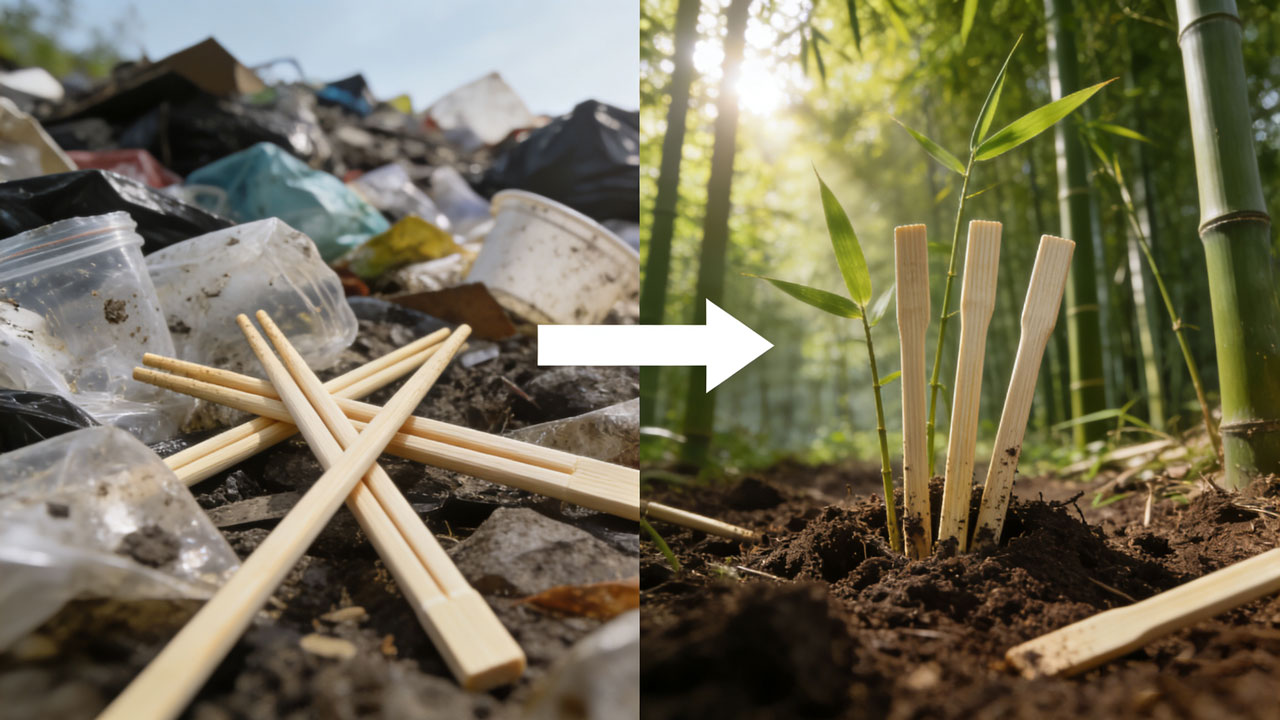 Bamboo chopsticks solve two big problems: deforestation from wooden chopsticks and plastic pollution from synthetic ones. Many countries have started banning plastic utensils, making bamboo an obvious choice.
But why exactly does bamboo beat other materials? Let’s look deeper.
Bamboo chopsticks solve two big problems: deforestation from wooden chopsticks and plastic pollution from synthetic ones. Many countries have started banning plastic utensils, making bamboo an obvious choice.
But why exactly does bamboo beat other materials? Let’s look deeper.
How Fast Does Bamboo Grow Compared to Trees?
Chopping down trees for disposable chopsticks seems wasteful. Bamboo offers a smarter way. Bamboo grows up to 35 inches per day, reaching maturity in just 3-5 years. Regular trees used for chopsticks take 20+ years to regrow.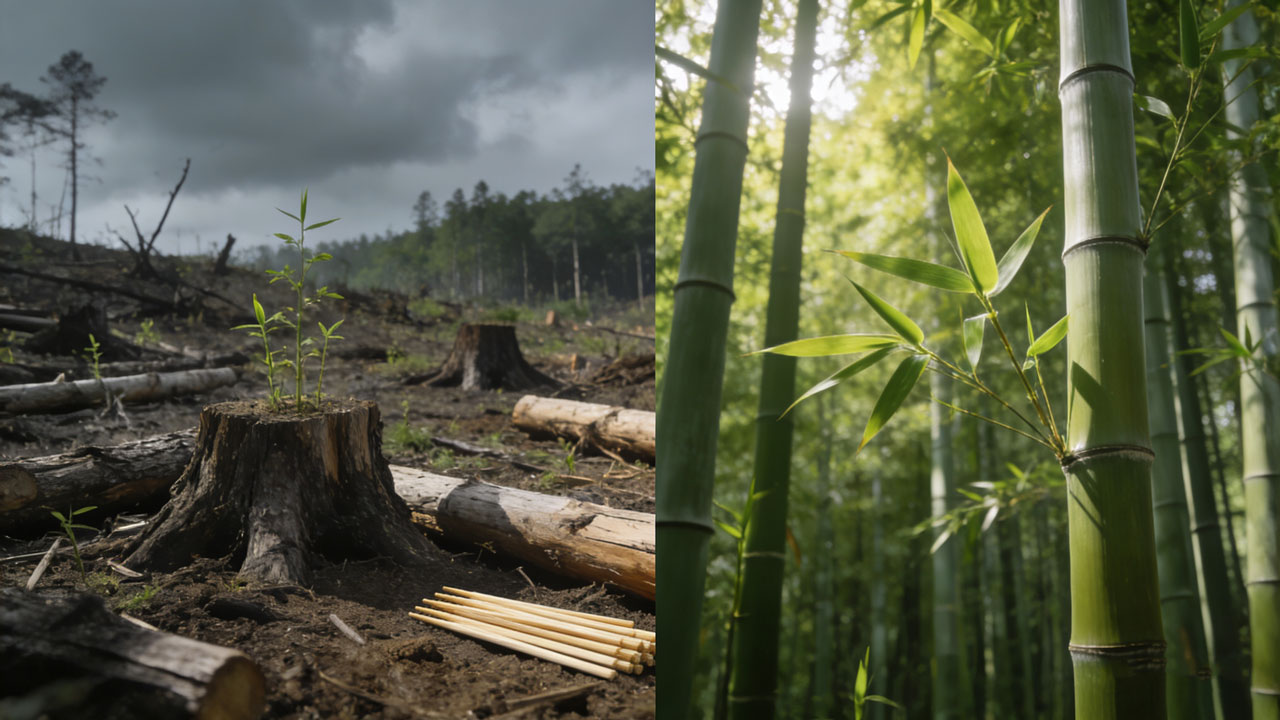 The growth speed makes a huge difference. Here’s why:
| Material | Growth Time | Harvest Method |
|---|---|---|
| Bamboo | 3-5 years | Cut without killing the plant |
| Birch wood | 20+ years | Entire tree must be cut down |
| Plastic | Made from petroleum (millions of years to form) | Drilling required |
Do Bamboo Chopsticks Really Biodegrade Faster?
Many "eco-friendly" products don’t break down easily. Bamboo delivers on its promises. Untreated bamboo chopsticks decompose in 4-6 months under composting conditions. Plastic chopsticks take 450+ years to break down.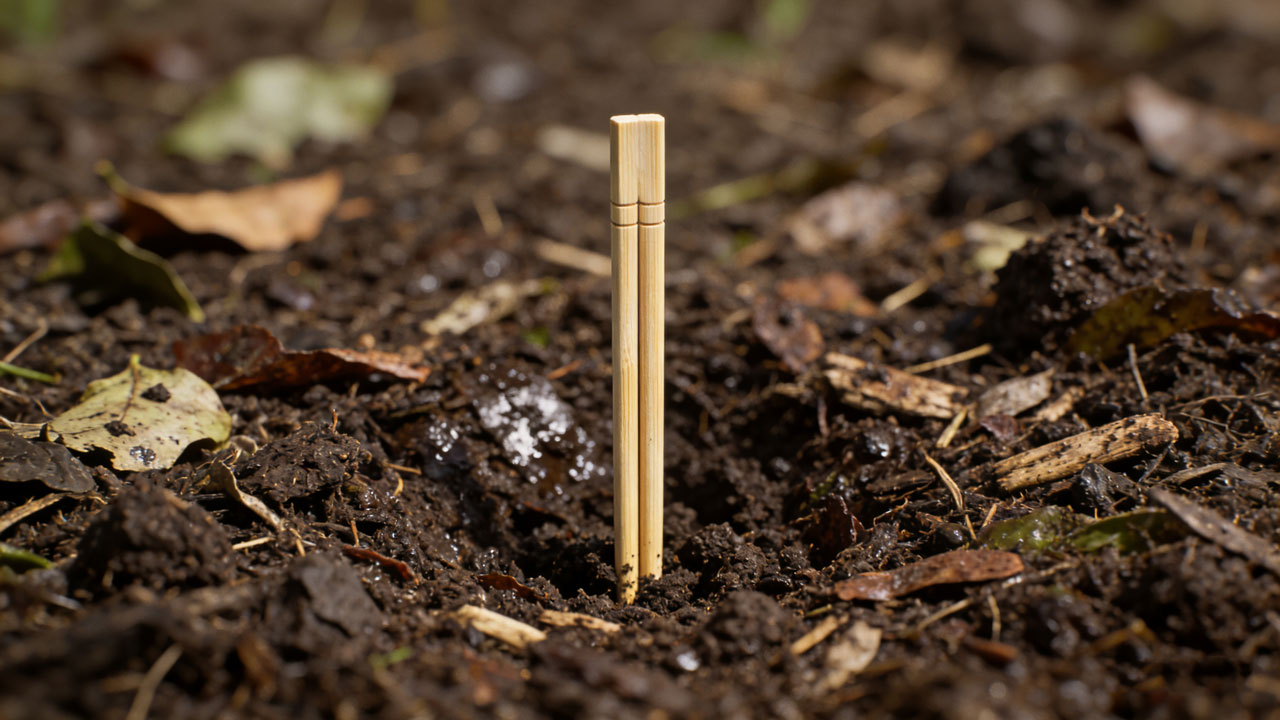 The decomposition process matters because:
- Landfill space shrinks every year
- Microplastics from synthetic utensils pollute oceans
- Chemicals in treated wood harm soil
Are There Any Downsides to Bamboo Chopsticks?
No solution is perfect. Bamboo has minor drawbacks worth noting. Bamboo chopsticks can splinter if low-quality, and production still requires some energy. However, their benefits outweigh these small issues.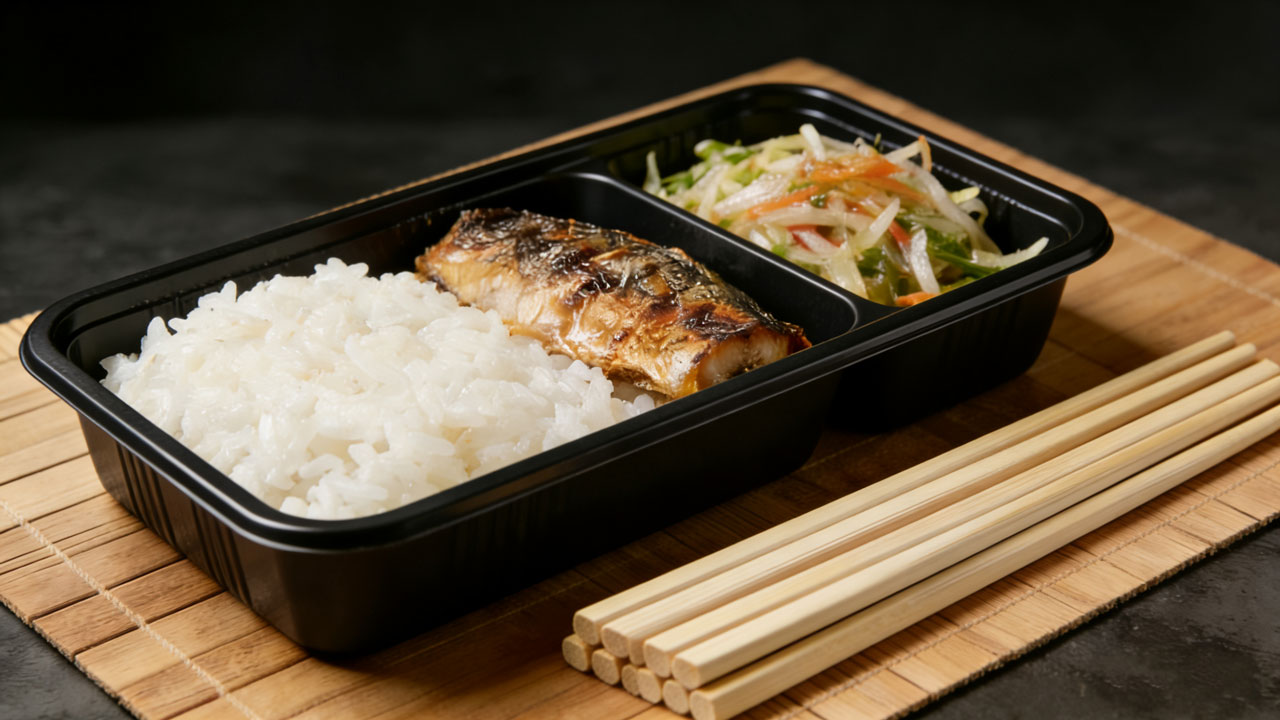 Let’s examine common concerns:
- 1. Splintering
- 2. Production Footprint
- 3. Transportation