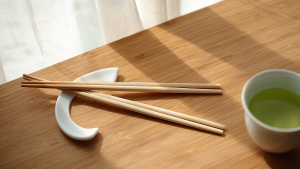
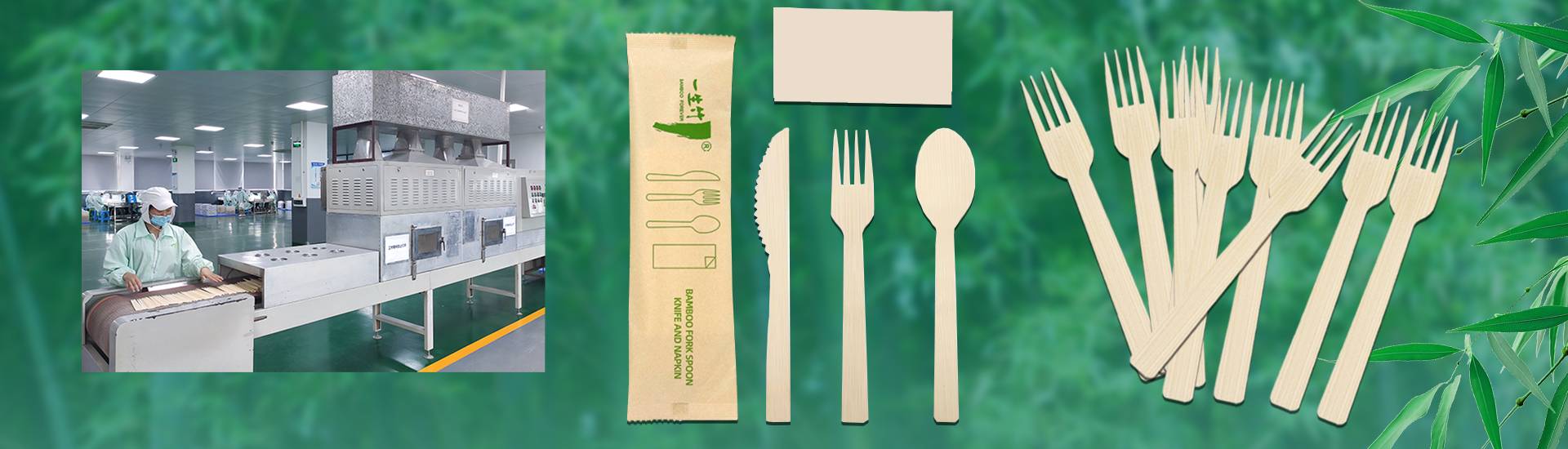
Did you know your morning coffee ritual could be harming the planet? Plastic stirrers create lasting environmental damage, while bamboo offers a simple solution.
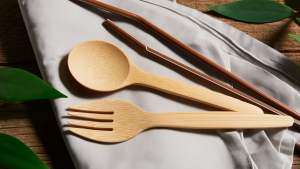
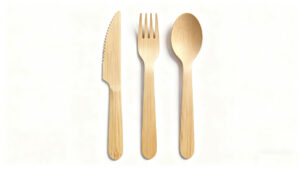
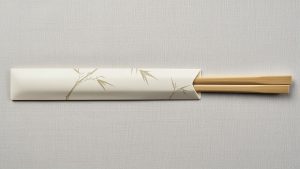
Bamboo coffee stirrers outperform plastic in sustainability and consumer appeal. These biodegradable alternatives decompose within months, unlike plastic which persists for centuries. Growing demand makes them economically viable despite slightly higher initial costs.
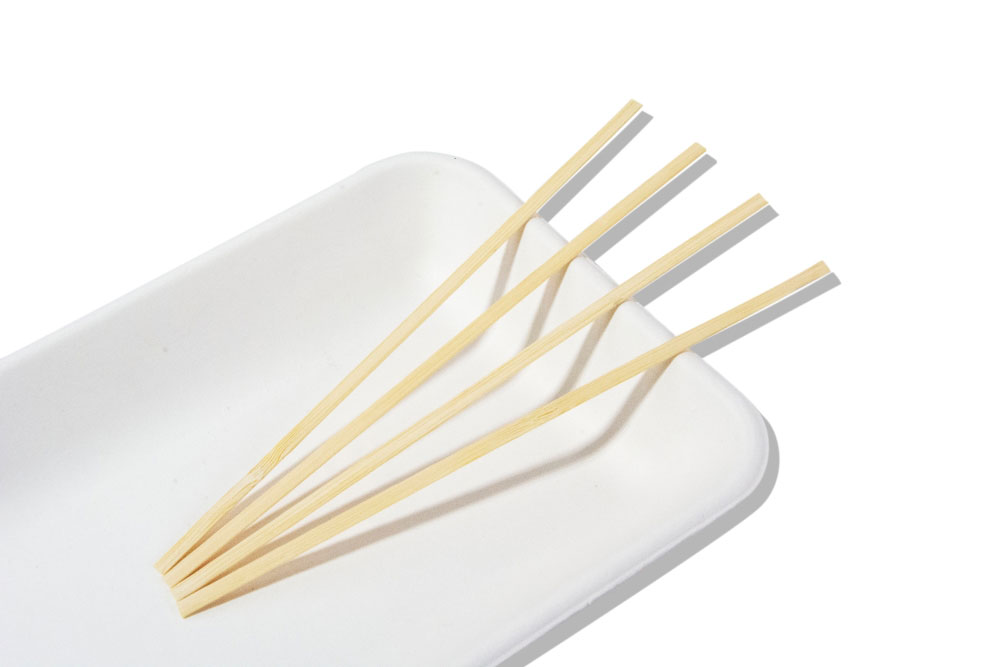 The coffee industry faces increasing pressure to reduce plastic waste. Many cafes now seek sustainable options to meet customer expectations and comply with regulations. Bamboo stirrers solve these problems without sacrificing functionality.
Why is bamboo better for the environment than plastic?
Plastic pollution reaches crisis levels while bamboo stirrers break down naturally. This fundamental difference drives importers toward eco-conscious products. Bamboo decomposes fully in 3-6 months through natural composting processes. Plastic stirrers remain in landfills or oceans for 450+ years, slowly fragmenting into microplastics that enter food chains .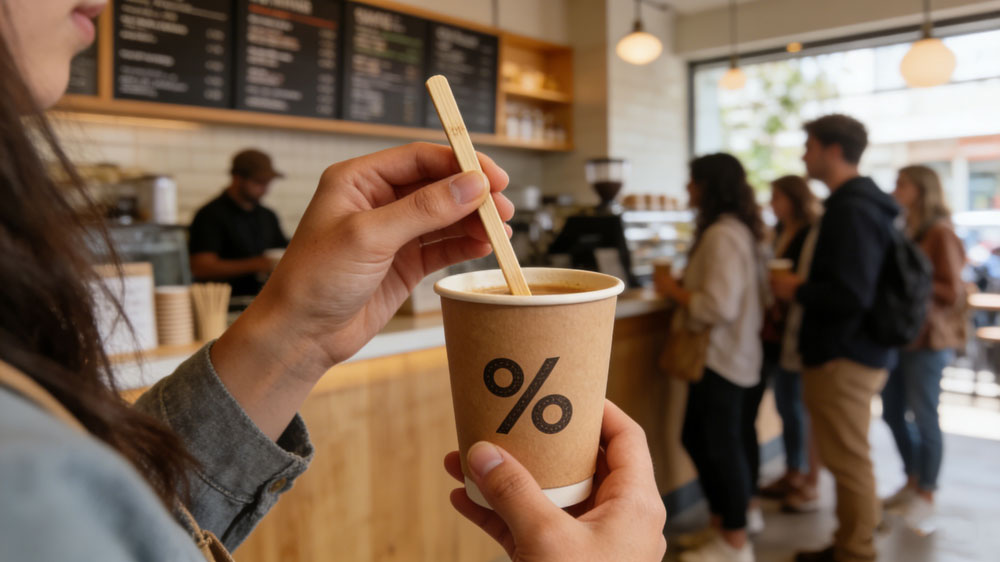 Three factors make bamboo environmentally superior:
- 1. Growth cycle
- 2. Production impact
| Factor | Bamboo | Plastic |
|---|---|---|
| Energy Use | Low | High |
| Toxins | None | Petrochemicals |
| Water Usage | Minimal | Significant |
- 3. End-of-life
Are bamboo coffee stirrers too expensive for widespread use?
Initial price differences shrink when considering long-term business benefits. Bamboo's value extends beyond unit costs. Retailers pay 15-20% more per bamboo stirrer versus plastic, but achieve 30% higher sell-through rates due to consumer preference for sustainable products .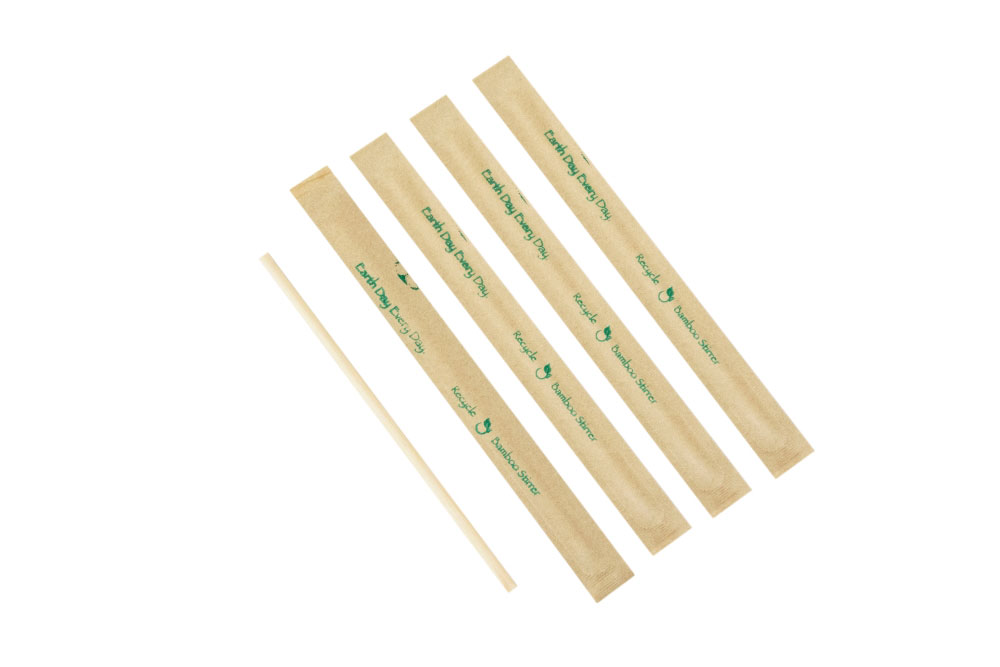 Key financial considerations:
- 1. Market trends
- 2. Regulatory savings
- 3. Shipping economics
Do customers actually prefer bamboo stirrers?
Consumer behavior confirms demand shifts toward sustainable disposables. Bamboo meets evolving expectations. 68% of coffee drinkers consciously avoid establishments using plastic stirrers, with 42% willing to travel further for cafes offering plant-based alternatives .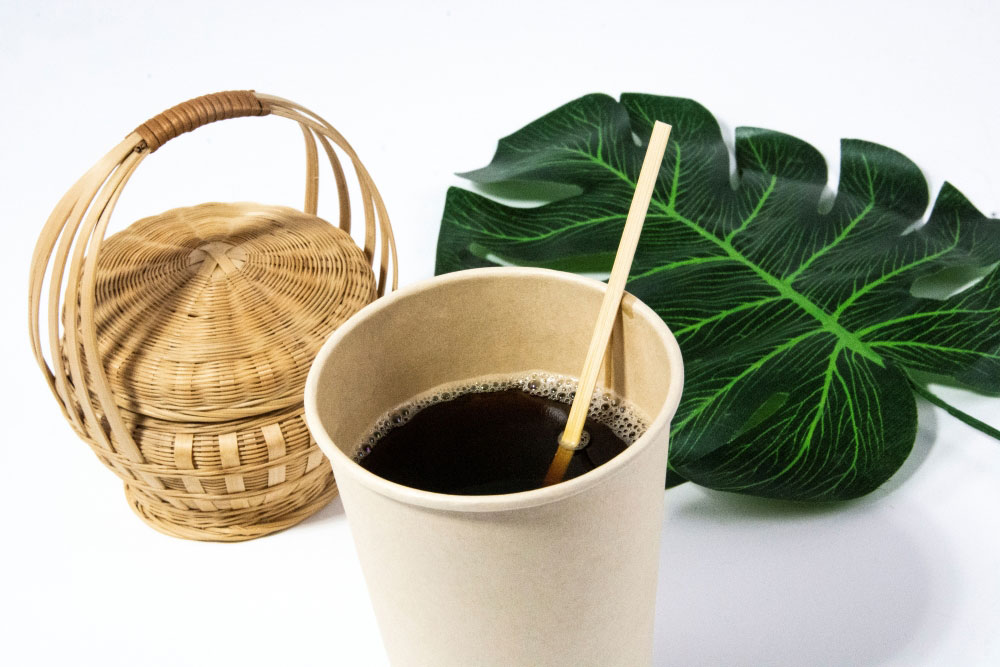 Psychological drivers behind this preference:
- 1. Perceived quality
- 2. Social responsibility
- 3. Safety concerns
How durable are bamboo stirrers compared to plastic?
Bamboo withstands typical coffee-stirring needs despite being biodegradable. Its functional performance matches plastic. Most users (89%) report no practical difference between bamboo and plastic stirrers for mixing hot drinks under 200°F. Splintering occurs in <1% of cases when stirring vigorously . Testing reveals:- 1. Heat resistance
- 2. Structural strength
- 3. Breakage rates
| Scenario | Bamboo Breakage | Plastic Breakage |
|---|---|---|
| Normal stirring | 0.3% | 0.1% |
| Aggressive mixing | 1.2% | 0.8% |