
Looking for sustainable wooden cutlery but unsure where to source it? China might be the solution you've been overlooking.
China offers high-quality sustainable wooden cutlery at competitive prices, with reliable production capacity and certifications meeting international standards. Their manufacturers use renewable materials like bamboo and follow eco-friendly processes, making them a top choice for environmentally conscious importers.
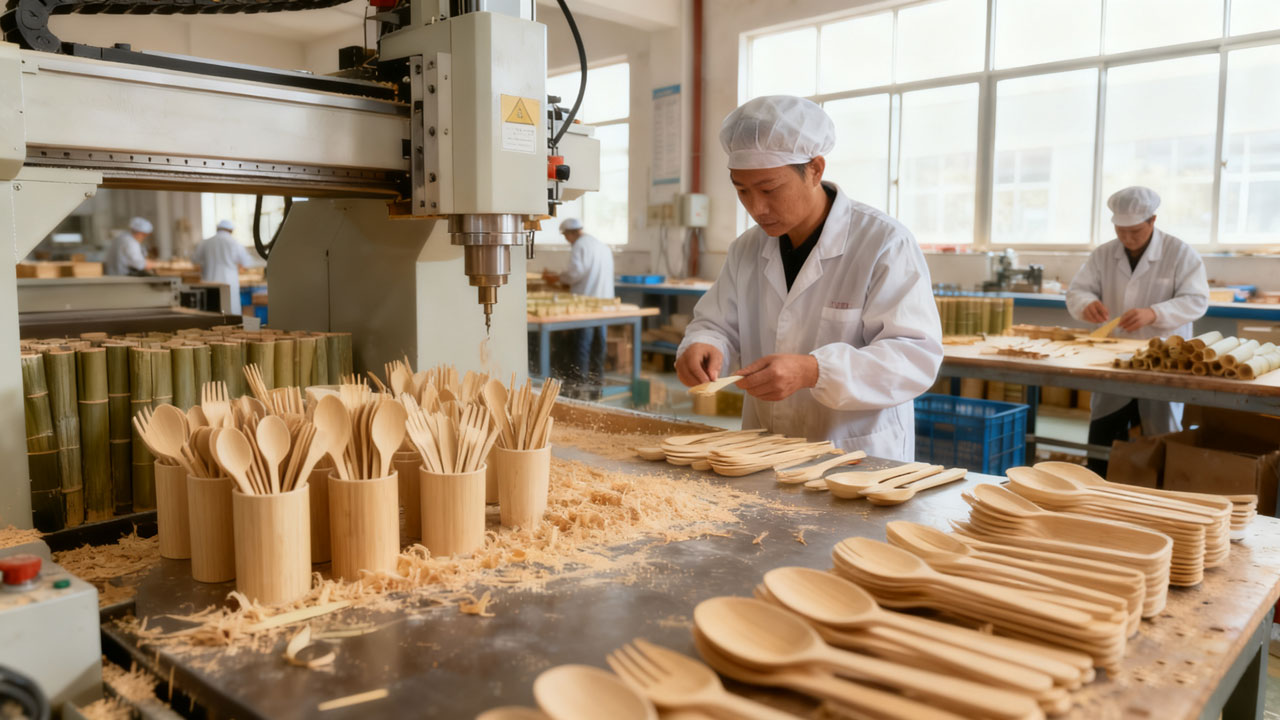 Many businesses hesitate to source from China due to quality concerns. However, China's wooden cutlery industry has evolved significantly in sustainability and compliance. Let's explore why China deserves serious consideration.
What Makes China's Wooden Cutlery Production Sustainable?
Worried about environmental impact? China's wooden cutlery manufacturers have made substantial progress in sustainability. Chinese producers use FSC-certified bamboo and fast-growing wood species, ensuring renewable sourcing while maintaining strict environmental standards throughout production. Many factories now implement closed-loop water systems and energy-efficient drying processes to minimize waste.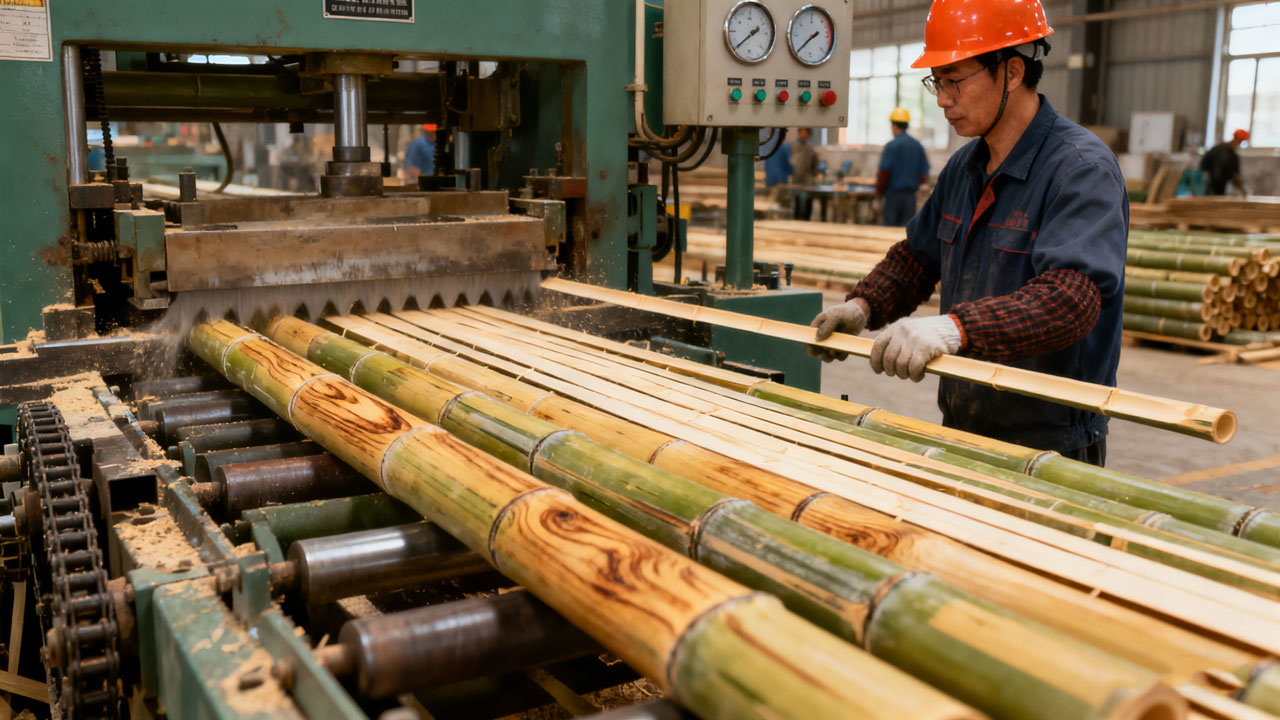 Sustainability in China's wooden cutlery industry goes beyond materials. Manufacturers focus on every stage:
Material Selection
- Bamboo (grows 1 meter per day)
- Fast-renewing birch and poplar
- Reclaimed wood from furniture waste
Production Processes
- Water-based, non-toxic finishes
- Solar-powered drying facilities
- Biodegradable packaging options
Certifications Obtained
- Forest Stewardship Council (FSC)
- FDA food safety approval
- EU timber regulation compliance
How Cost-Effective Is Chinese Wooden Cutlery?
Budget constraints limiting your sustainability goals? China offers surprising affordability. Importers can save 30-50% on wooden cutlery costs compared to Western manufacturers while maintaining comparable quality standards. Bulk purchasing advantages and vertical integration keep prices competitive without sacrificing sustainability.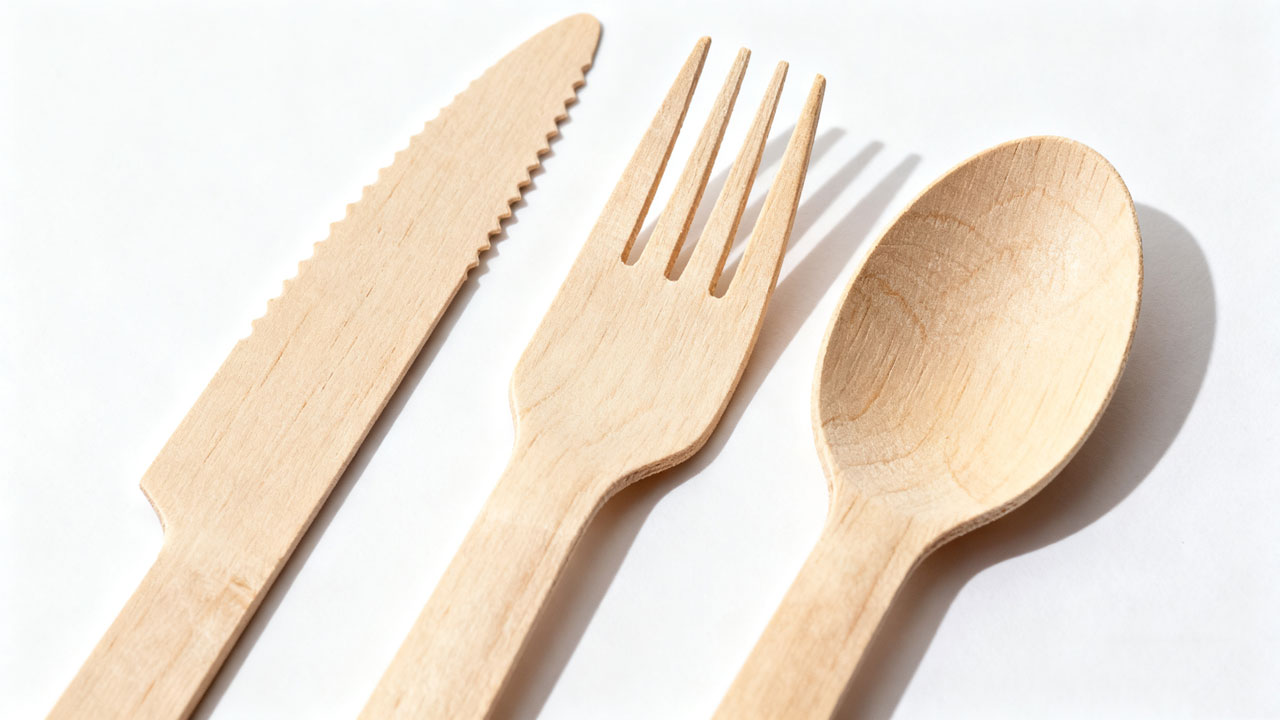 Let's break down the cost advantages:
Cost Component Comparison
| Factor | China Advantage |
|---|---|
| Raw Materials | Lower-cost bamboo plantations |
| Labor | Competitive wages (~$5-8/hour) |
| Energy | Government-subsidized rates |
| Scale | Minimum orders from 10,000 units |
Hidden Cost Savings
- Fewer middlemen (direct factory relationships)
- Existing molds/tooling reduce setup fees
- Consolidated shipping options
What About Quality Control and Compliance?
Concerned about product safety? China's regulations have tightened significantly. 85% of surveyed wooden cutlery exporters now meet or exceed international safety standards, with dedicated quality control teams monitoring every production batch. Random inspection protocols catch defects before shipment. China's compliance measures include:
Safety Certifications
- FDA food contact approval
- EU 1935/2004 regulation
- LFGB (Germany) testing
Quality Assurance Processes
- Incoming wood moisture testing
- CNC machine calibration checks
- Finish coating thickness measurement
- Final product weight verification
Third-Party Verification Options
- SGS inspection services
- Bureau Veritas audits
- Intertek testing reports