Leading paragraph:
Every year, millions of trees are cut down for disposable chopsticks. Bamboo offers a greener solution, but finding reliable suppliers is tricky.
Snippet paragraph:
China dominates bamboo chopstick production, with certified suppliers like Bamboo Grove and EcoChoice China offering FSC-approved bulk orders. Importing these supports sustainability while cutting costs by 30-50% compared to local options.
 Transition Paragraph:
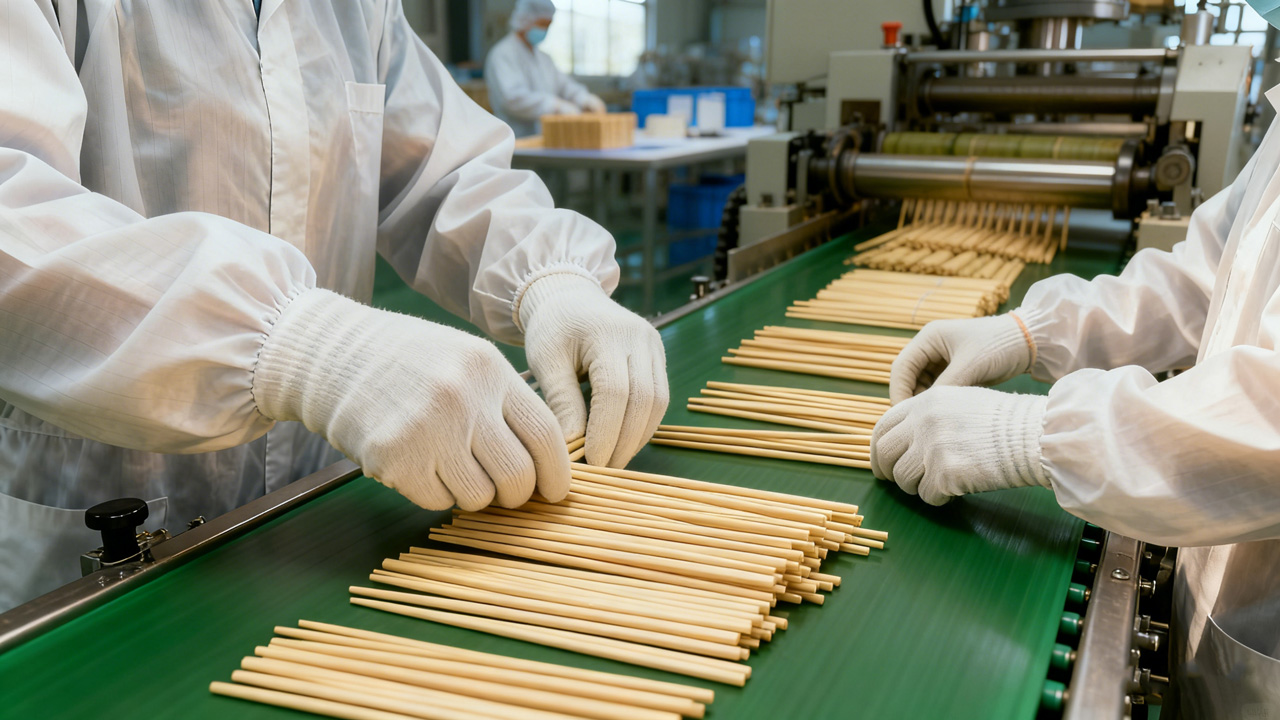
Many assume all bamboo chopsticks are eco-friendly. The truth is more complex. Let’s break down how to import responsibly.
Transition Paragraph:
Many assume all bamboo chopsticks are eco-friendly. The truth is more complex. Let’s break down how to import responsibly.
How Do You Identify Truly Sustainable Suppliers?
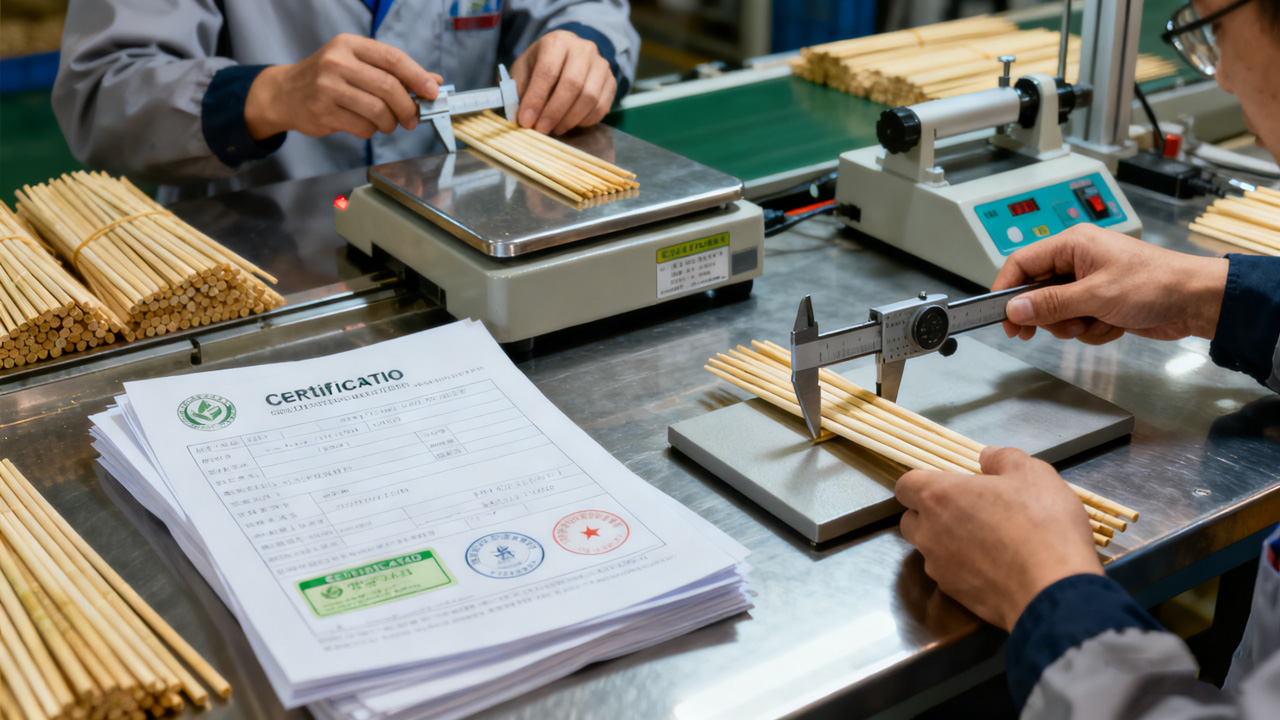
Leading paragraph: I once received a shipment labeled "eco-friendly" that smelled strongly of bleach. Certificates matter more than claims. Snippet paragraph: Legitimate suppliers provide third-party certifications:- FSC (Forest Stewardship Council)
- OEKO-TEX Standard 100
- BSCI audit reports
 Dive deeper Paragraph:
Verifying Certifications
Always request:- Original certificate scans (not templates)
- Expiration dates (annual renewals required)
- Testing reports for formaldehyde and heavy metals
- Suppliers who can’t provide English documents
- Certificates issued by unknown agencies
- Prices significantly lower than market average
Audit Options
| Audit Type | Cost Range | What It Covers |
|---|---|---|
| Virtual Tour | $200-$500 | Factory overview via video call |
| On-Site Visit | $800-$1,500 | Full production chain inspection |
| Sample Testing | $150/test | Lab analysis of chemical composition |
What Are the Hidden Costs of Bamboo Imports?
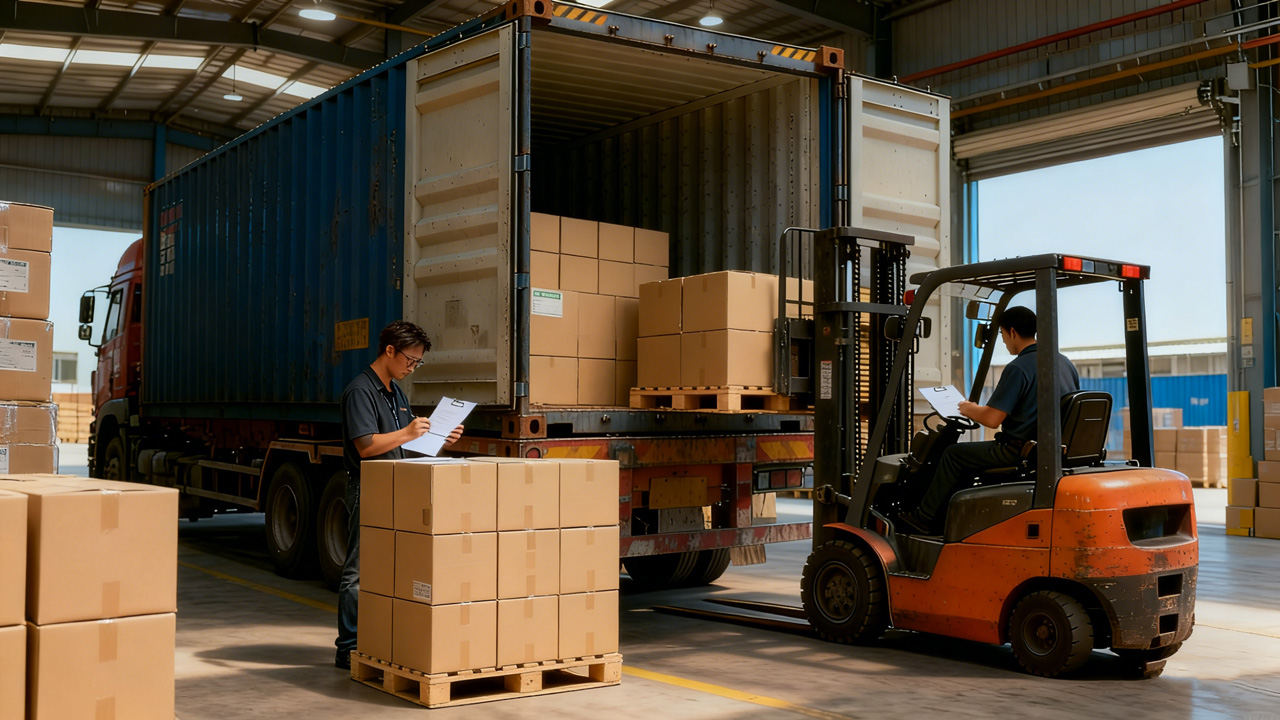
Leading paragraph: My first shipment got stuck at customs for weeks. Unexpected fees ate all my profits. Snippet paragraph: Beyond product costs, budget for:- 12-25% import tariffs (varies by country)
- $80-$200 phytosanitary certificates
- $1.5-$3/kg sea freight charges.
 Dive deeper Paragraph:
Cost Breakdown
A typical 20ft container holds:- 1,200 cartons (1 carton = 500 pairs)
- Total cost: ~$9,000-$14,000 CIF
| Factor | Price Impact |
|---|---|
| MOQ <10,000 pairs | +15-25% unit cost |
| Express air shipment | 4x sea freight |
| Custom packaging | +$0.02-$0.05/pair |
How Do You Ensure Consistent Quality?
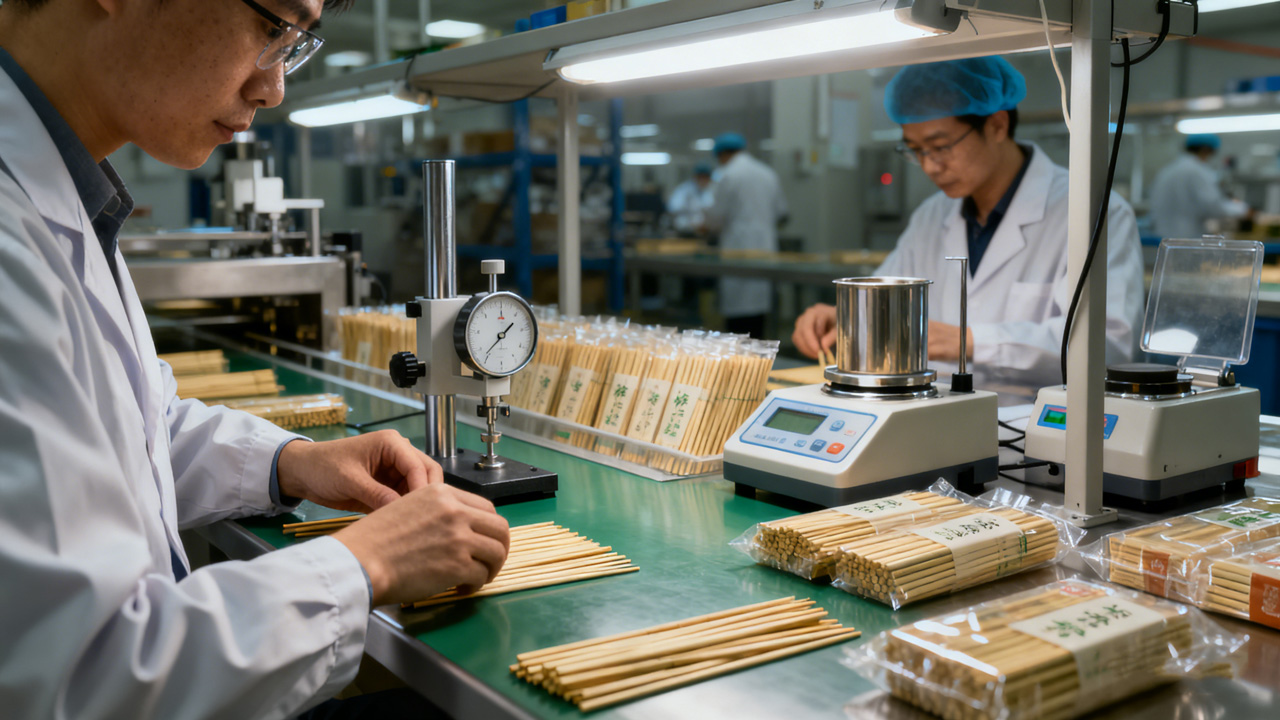
Leading paragraph: One batch arrived with inconsistent lengths. Customer complaints poured in immediately. Snippet paragraph: Implement QC protocols:- Pre-shipment inspection reports
- Moisture content below 12%
- Diameter tolerance ±0.3mm
 Dive deeper Paragraph:
Quality Checklist
Physical Standards- Length: 22.5-23.5cm (restaurant grade)
- Weight: 3.8-4.2g/pair
- Surface: Smooth, no splinters
- Double-layer kraft paper sleeves
- Compression-resistant cartons
- Humidity indicator cards