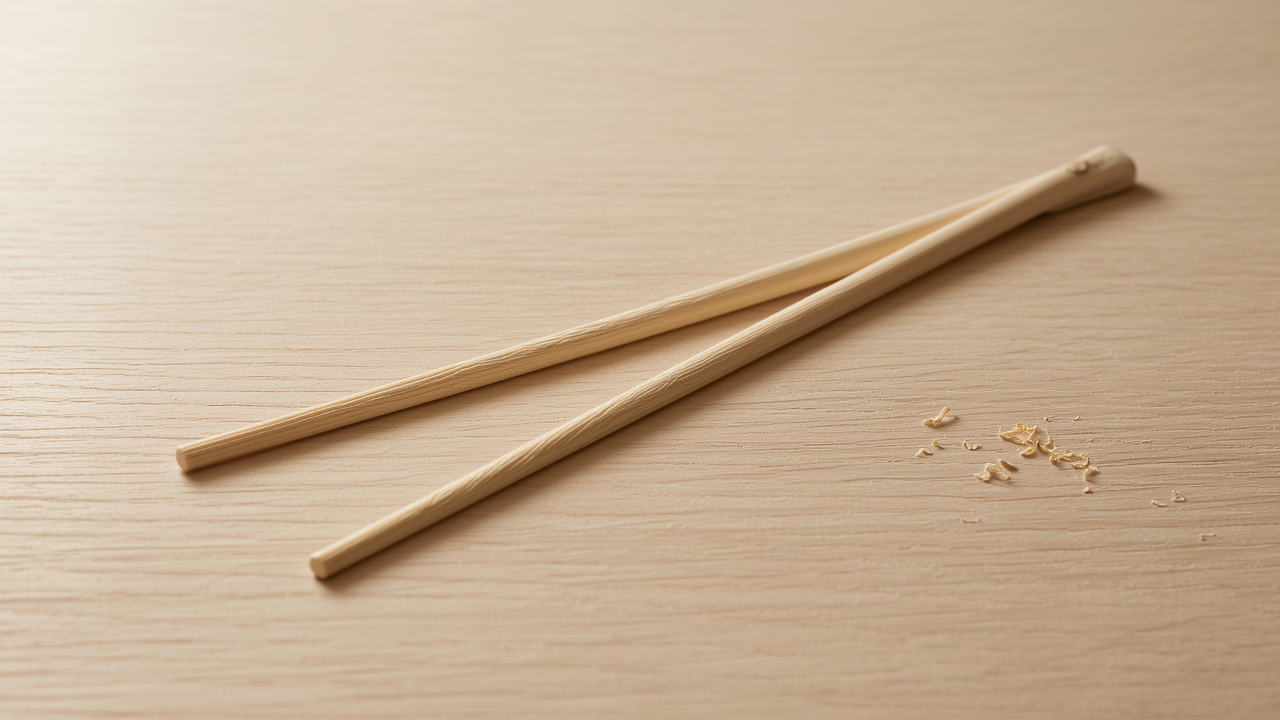
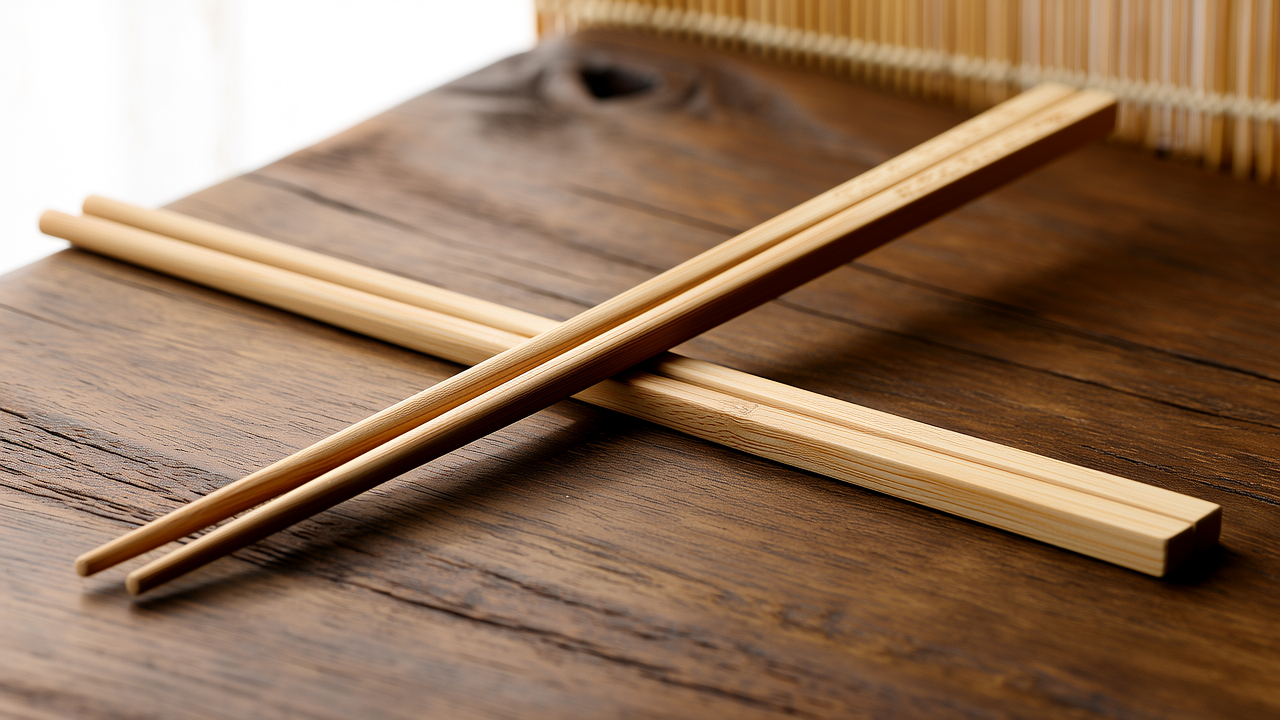
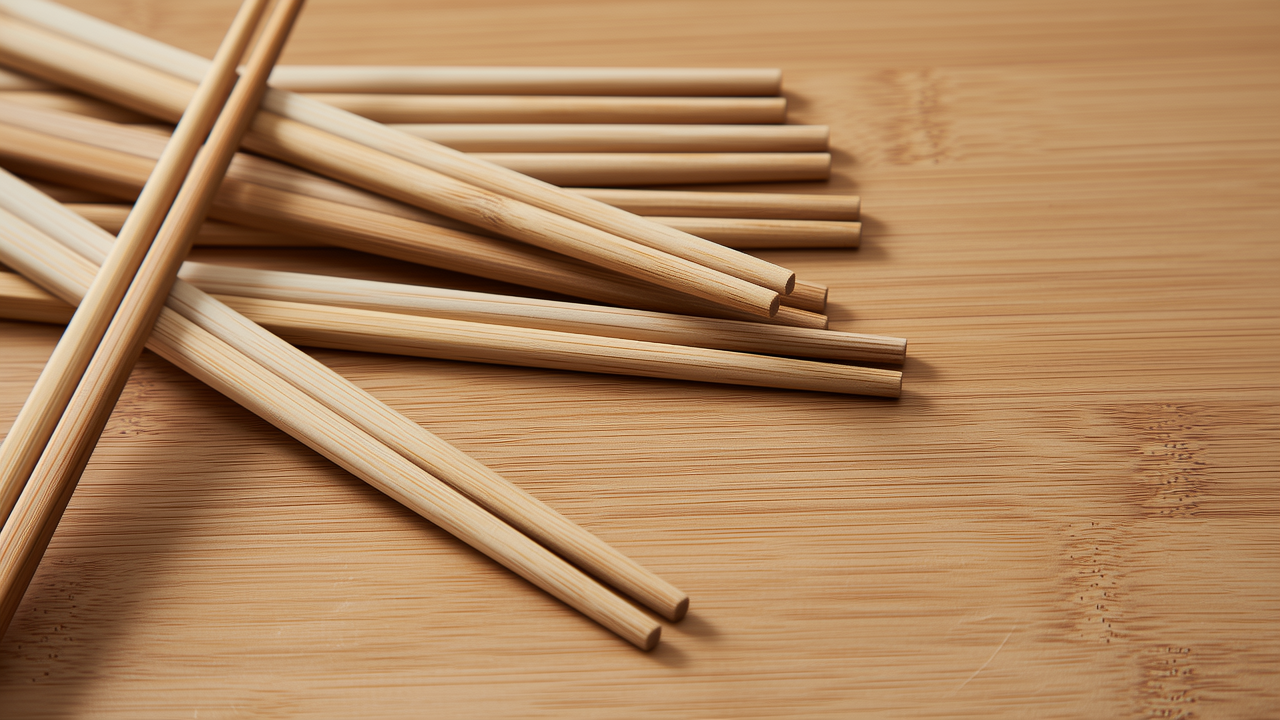
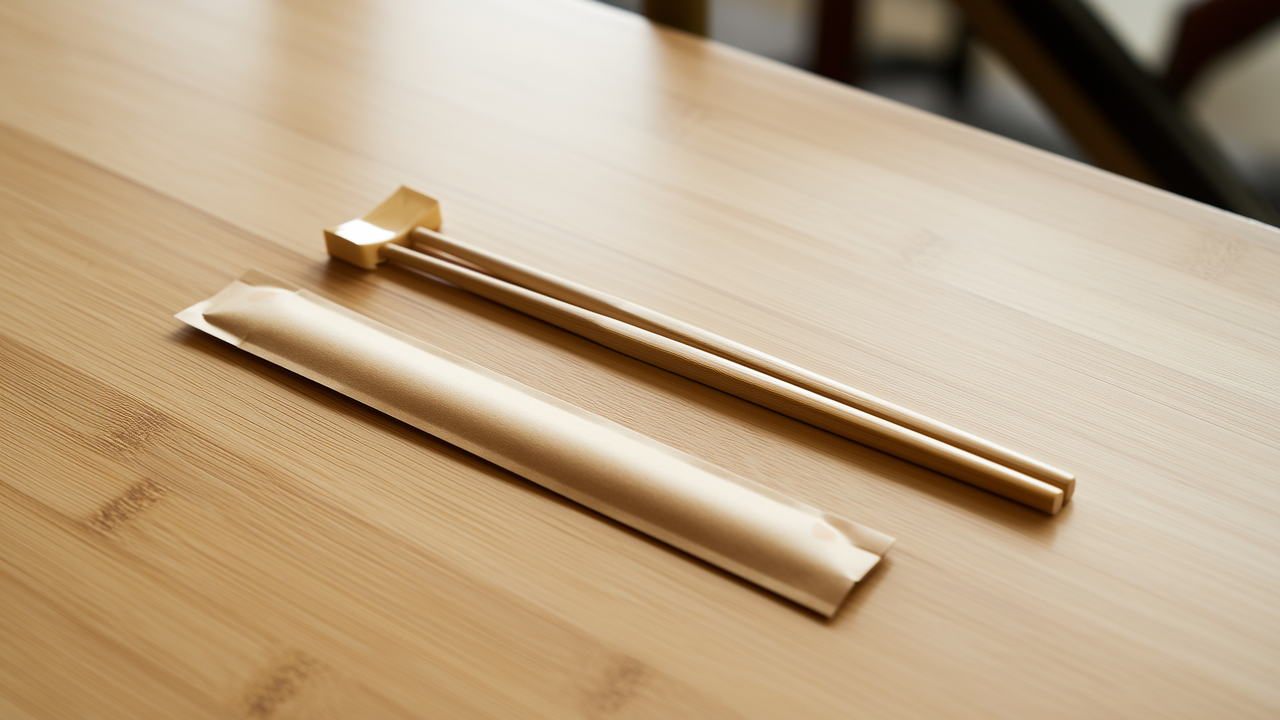
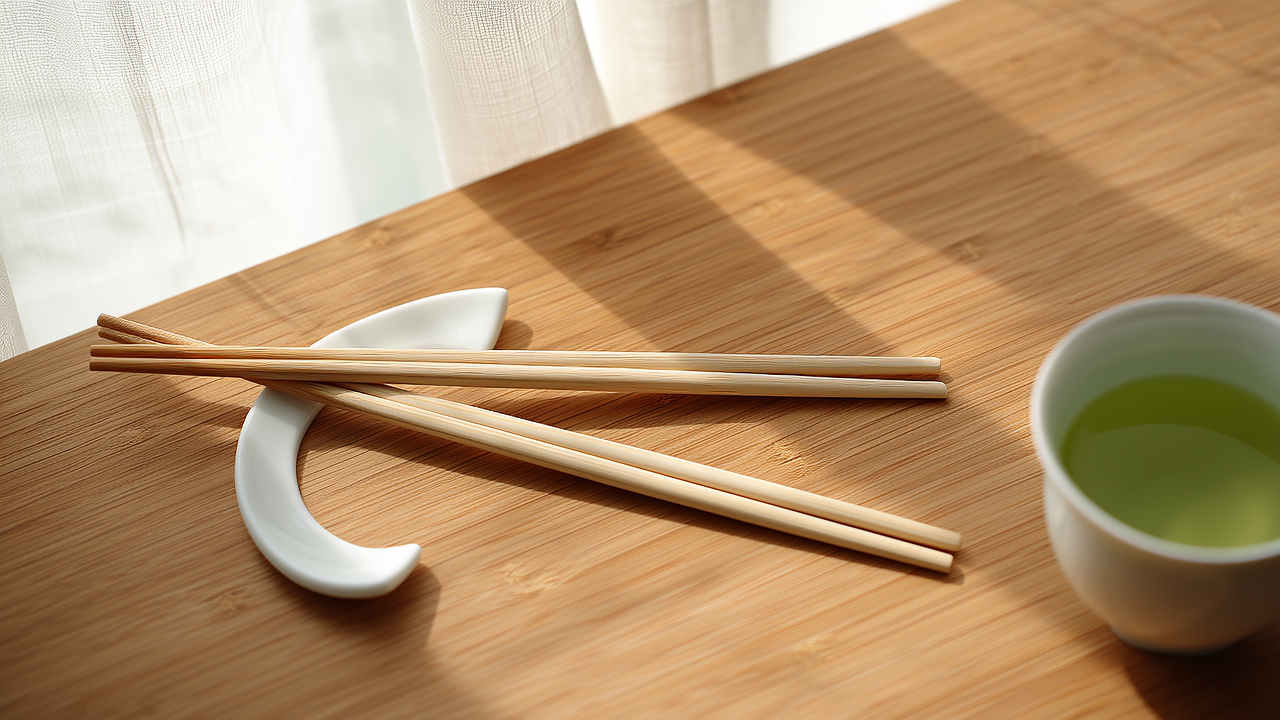
As environmental awareness grows, restaurants worldwide are switching to round bamboo chopsticks1 - but what's driving this trend? Round bamboo chopsticks combine ergonomic comfort with eco-credentials, offering a 40% lower carbon footprint than wooden alternatives while meeting strict food safety standards (GB/T 24398-2009)1. Let's examine the unique advantages making these circular-profile chopsticks the sustainable choice for modern ...
Snapping apart chopsticks reveals nothing about their environmental impact or safety—the real story lies in their material origins. Bamboo chopsticks naturally resist mold without chemical treatments (T/ZZB 2109-2021)1, while wooden options typically require protective coatings that may contain regulated additives under GB 96852. Let's dissect the key differences—from ecological footprints to manufacturing complexities—that make these s...
When you snap apart a pair of disposable chopsticks, do you know what material you're about to put in your mouth? The most common materials for disposable chopsticks are bamboo1 (41% global share) and aspen wood2 (35%), followed by birch and cedar according to GB/T 24398-2009 standards1. Let's examine why these materials dominate the market and how they affect both quality and sustainability. --- Why Are Bamboo and Aspen Popular Choices...
Every day, millions use disposable chopsticks—but hidden dangers may lurk in low-quality products. How can you tell if yours are truly safe? Properly manufactured disposable chopsticks meet strict GB/T 24398-2009 safety standards1, but substandard products may contain toxic additives like sulfur dioxide or heavy metals2. Let's examine how to identify safe options and understand the real risks of inferior chopsticks—from chemical hazards...
Restaurants worldwide are switching to disposable chopsticks—but is this just a cost-saving move or a strategic hygiene solution? Disposable chopsticks1 offer restaurants guaranteed hygiene, reduced labor costs, and compliance with international food safety standards1. Their plant-based materials (bamboo, wood, or crop fibers) eliminate cross-contamination risks while meeting strict GB/T 24398-2009 regulations2. Beyond the obvious conve...
Restaurants worldwide are switching to disposable chopsticks—but is this just a cost-saving move or a strategic hygiene solution? Disposable chopsticks1 offer restaurants guaranteed hygiene, reduced labor costs, and compliance with international food safety standards1. Their plant-based materials (bamboo, wood, or crop fibers) eliminate cross-contamination risks while meeting strict GB/T 24398-2009 regulations2. Beyond the obvious conve...