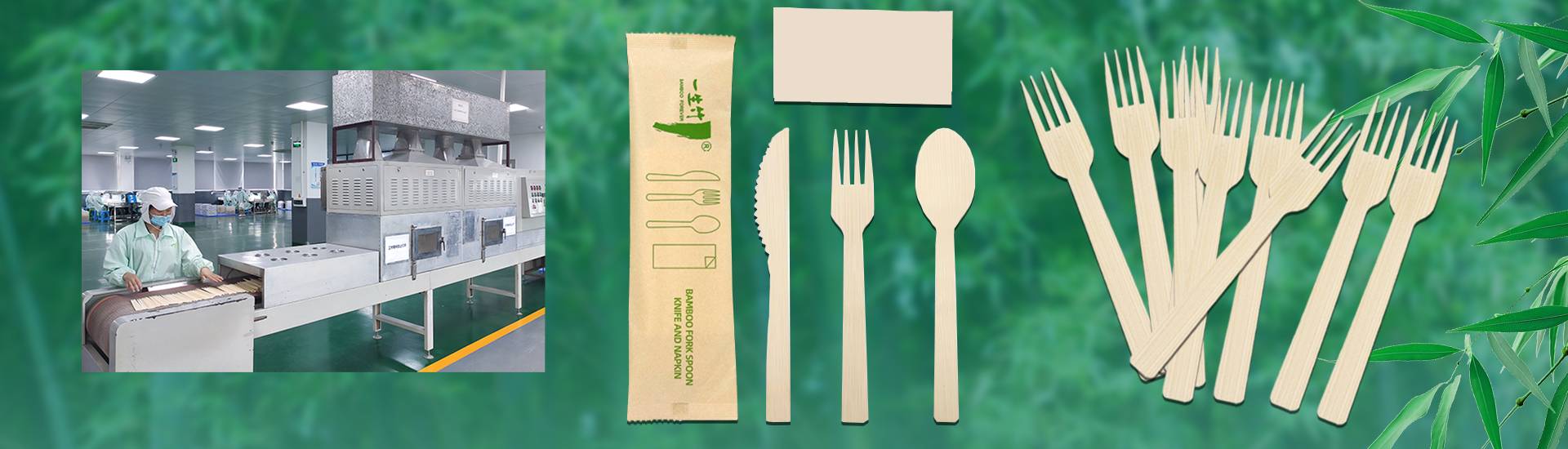
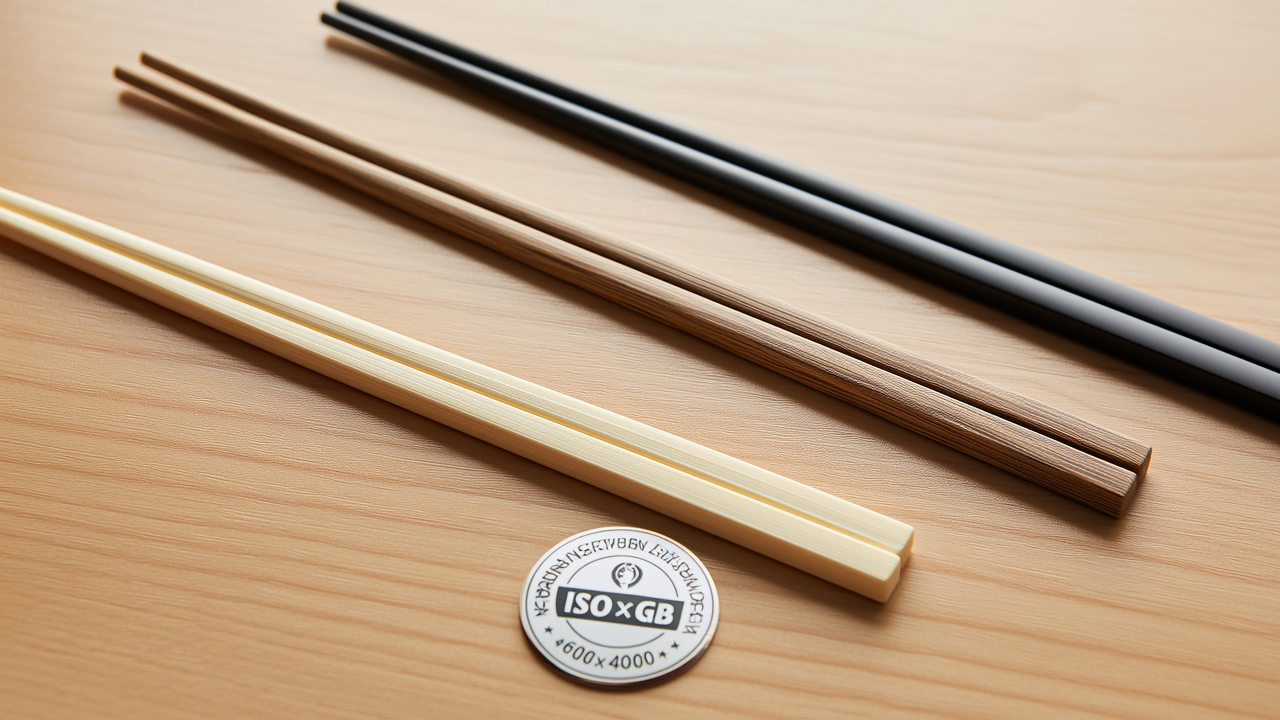
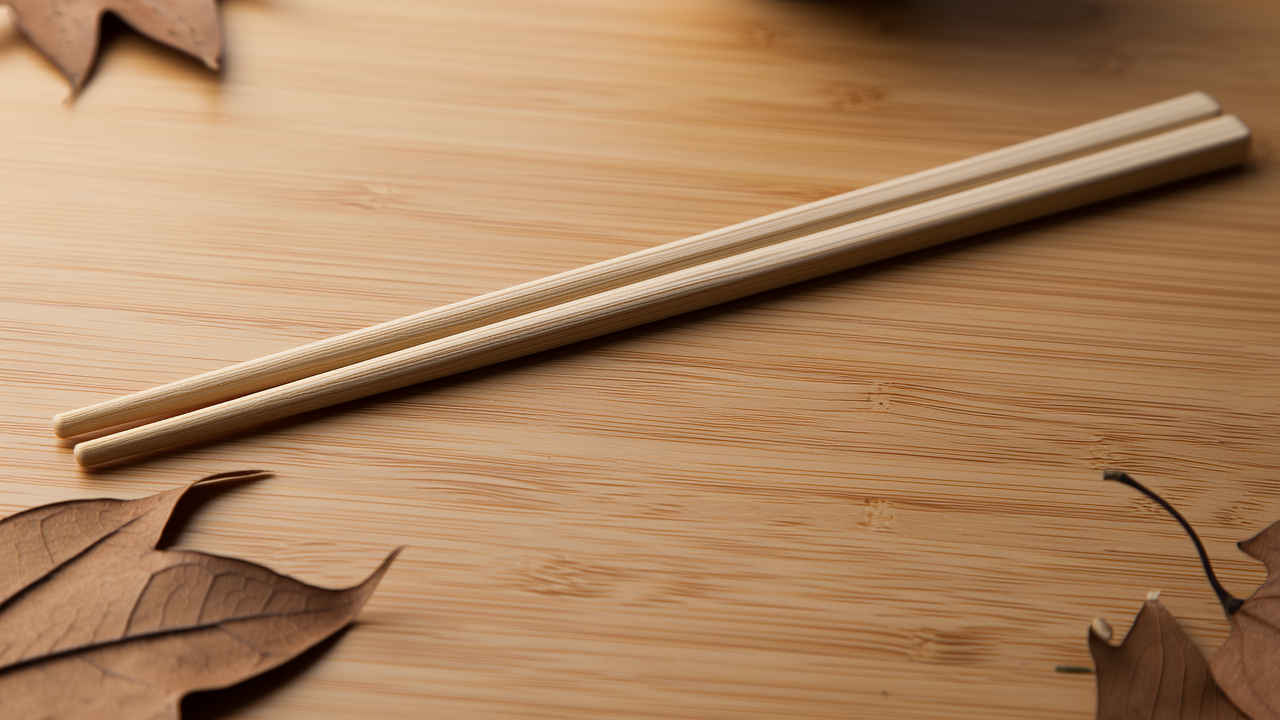
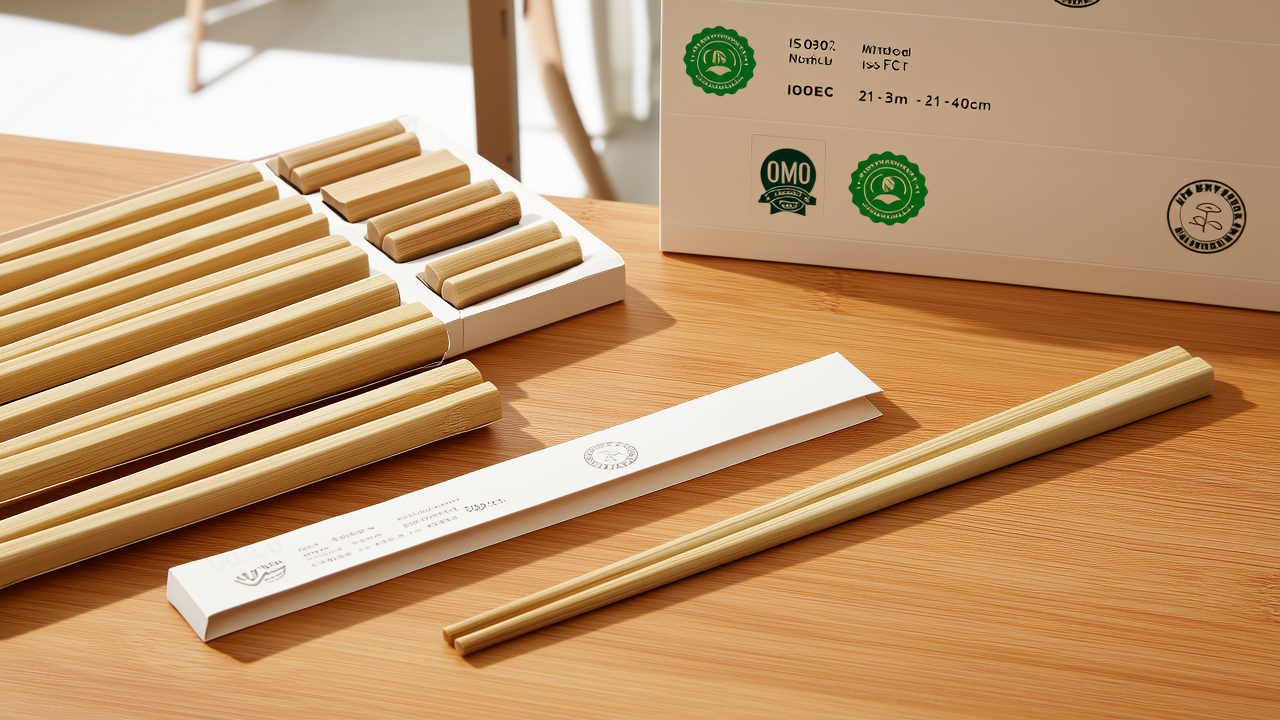
Disposable chopsticks come in various materials, each offering unique benefits for food service businesses - from traditional bamboo to innovative plant fiber composites. GB/T 24398 standard recognizes three main categories: bamboo fiber (most common), wood fiber (economic choice), and agricultural crop fiber (eco-innovation) 1. All must comply with GB 9685 additive safety regulations 3 for food contact use. Understanding material diffe...
Selecting the right chopsticks impacts customer dining experience and operational costs - Japanese and Chinese styles serve fundamentally different purposes. Chinese chopsticks1 (typically 230-270mm long) 4 excel for family-style meals, while Japanese variants (180-220mm) offer precision for sushi dining. Material quality differs significantly, with Chinese brands using younger bamboo (4-6 years) 5 versus Japan's premium 7+ year stock. ...
China produces over 80% of the world's bamboo chopsticks1, leveraging unique natural resources and centuries of manufacturing expertise to dominate this global market.China's bamboo forests supply ideal 4-6 year old raw material 1, while standardized production (DB43/T 3079) 4 and carbonization tech (T/ZZB 2109) 6 create consistent quality at scale. Cultural heritage drives continuous process optimization.This leadership stems from thre...
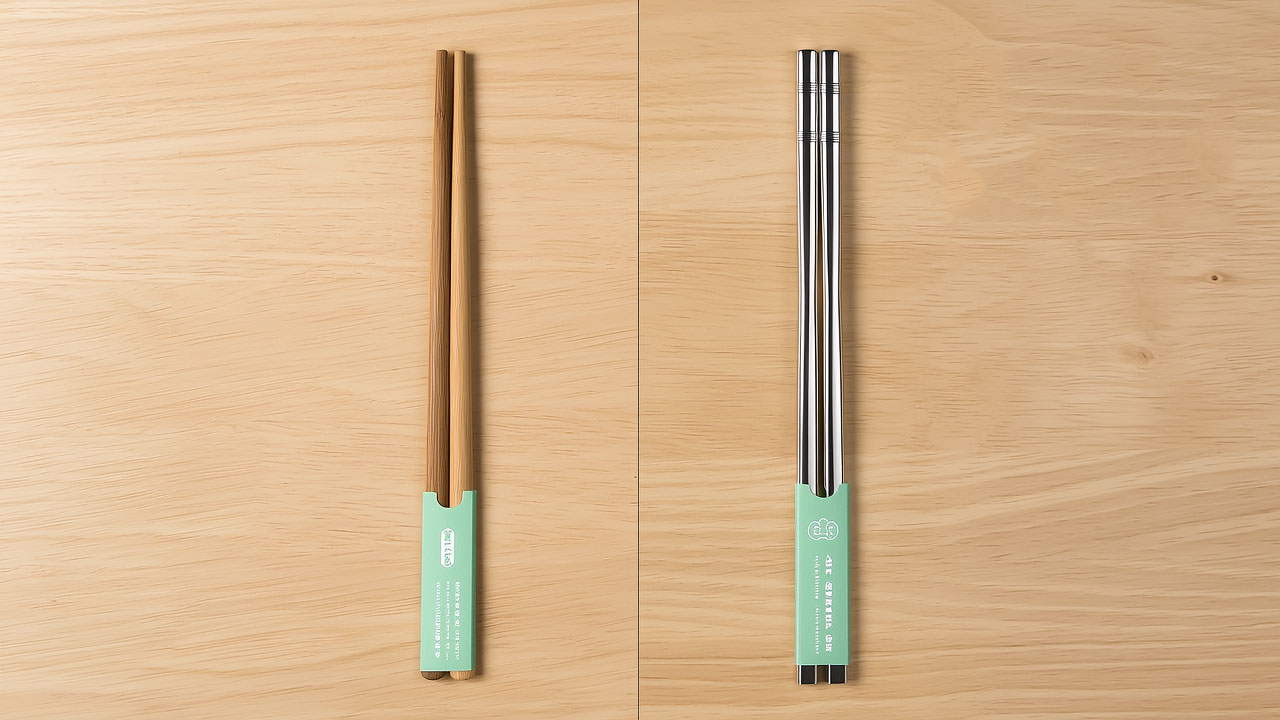
Importers face a critical choice: natural wooden chopsticks or durable steel ones? Each material impacts cost, usability, and market positioning differently. Wooden chopsticks offer superior grip (ideal for beginners) and biodegradability1 2, while steel variants provide longevity but higher production costs and slippery handling. Market trends show 73% of Western consumers prefer wooden utensils for eco-conscious dining 4. The decision...
Struggling to find durable, eco-friendly bamboo chopsticks? China dominates global bamboo production, but quality varies wildly. Here's how to procure premium products efficiently. Prioritize suppliers with ISO9001/FSC certifications1 15, verify microbial/chemical compliance (≤10% moisture, zero pathogens) 3, and assess carbonized bamboo processing for enhanced durability 5. Partner with factories offering OEM customization2 (like BF199...
Switching from plastic to bamboo utensils1 offers substantial ecological advantages, from rapid renewability to complete biodegradability2. Bamboo utensils decompose in 3-6 months naturally3 versus plastic's 500+ years, while sequestering 0.8kg CO₂ per kg during growth5. Understanding bamboo's full lifecycle benefits helps businesses and consumers make informed sustainable choices. --- Do Bamboo Utensils Decompose Faster Than Traditiona...